
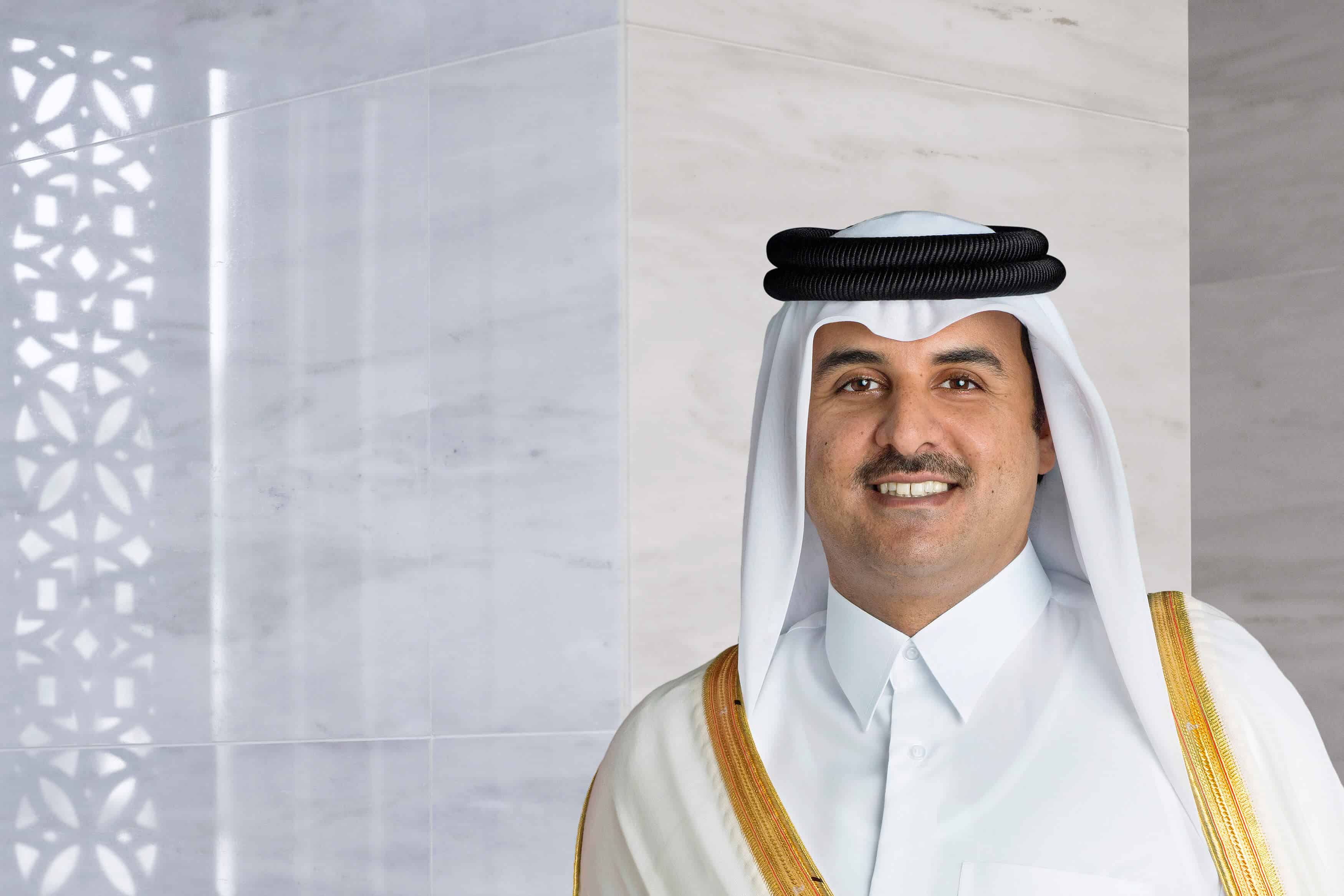


Doha, Qatar— Qatar’s Prime Minister Sheikh Khalid bin Khalifa bin Abdul Aziz Al Thani has resigned from his job, according to Qatar News Agency.
And in the wake of the resignation, the country’s Emir Sheikh Tamim bin Hamad Al Thani has appointed Sheikh Mohammed Bin Abdul Rahman Al Thani in the post, the state news agency said.
Sheikh Mohammad has been the minister of foreign affairs since January 27, 2016. He was also named as Qatar’s deputy prime minister on November 15, 2017.
Sheikh Khalid was appointed PM in January 2020 after having been head of the Amiri Diwan, the emir’s office.
He had worked in the gas industry and was educated in the United States before going on to work for Sheikh Tamim when he was the crown prince.
The emir’s office also announced the appointment of Sheikh Khalifa bin Hamad bin Khalifa Al Thani as interior minister.
In October 2021, Qatar held its first legislative council election for two-thirds of the advisory Shura Council.
The Shura Council has legislative authority and approves general state policies and the budget but has no say in the setting of defence, internal security, economic and investment policy for the small but wealthy gas producer, which bans political parties.