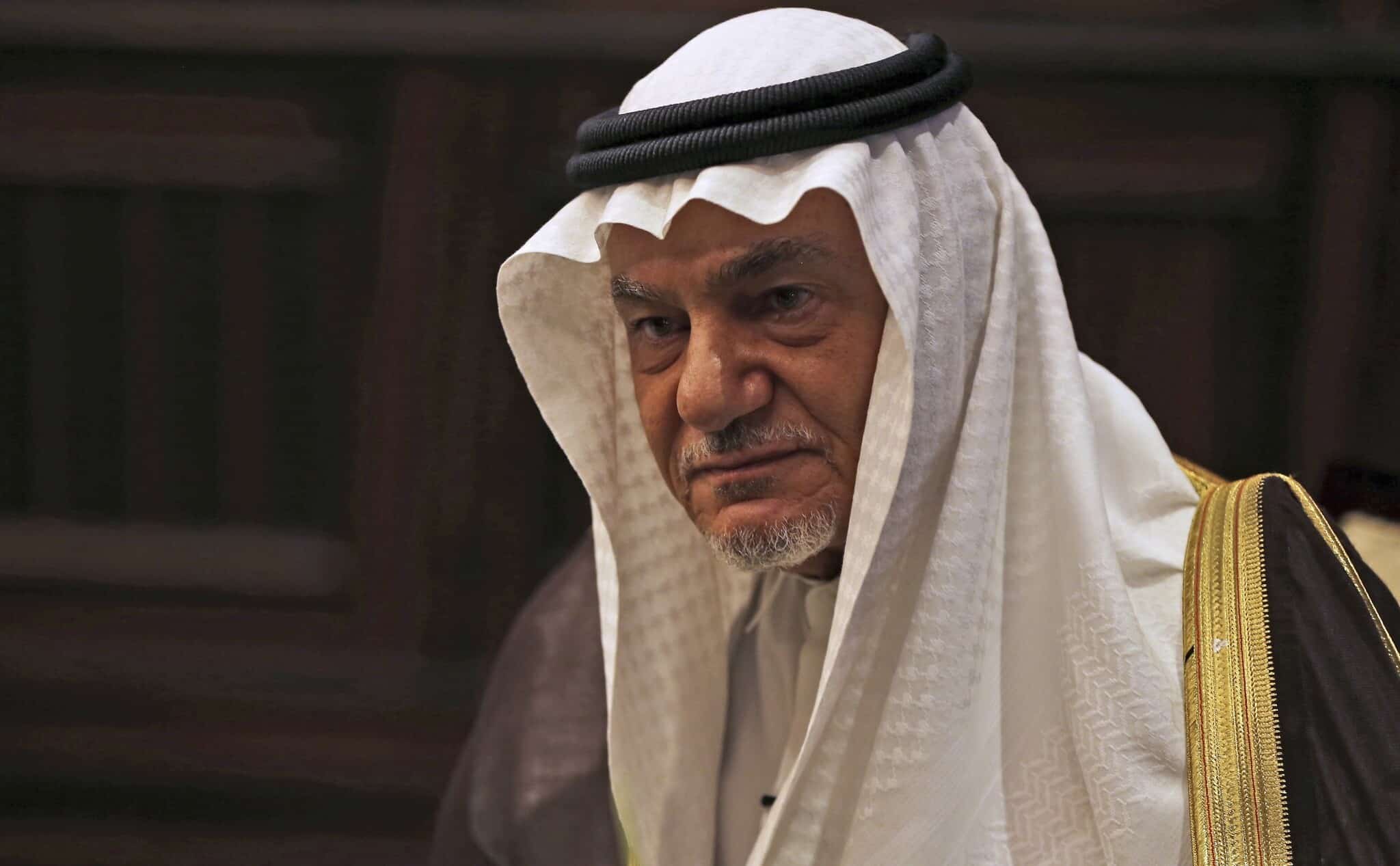

A former Saudi intelligence head has insisted that the kingdom should not be held responsible for the rising energy costs in the US.
Prince Turki Al-Faisal said that it was the White House’s policy agenda that was behind the increase in prices.
Speaking to a media outlet the prince said: “When you say that Saudi Arabia has not budged on the issue of the oil problems that America is facing, basically America itself is the reason for the state that they’re in because of their energy policy.”
Following the invasion of Ukraine, oil prices have dramatically surged in the market, as several European nations and western countries announced sanctions on Russian energy imports.
On Monday, Brent crude futures was priced at $105 a barrel, while US West Texas Intermediate was at $103.70 per barrel.
Amid the price hike, the Biden administration has been urging Saudi Arabia to increase its oil output, and it has placed a strain on the relationship between the two countries.
According to Al-Faisal, President Biden’s decision to curtail oil and gas production in the US has ultimately resulted in the instability of oil prices.
The former intelligence chief revealed that the ongoing geopolitical tensions have also contributed to the rise in oil prices.
In March, Yemen’s Houthi group attacked oil facilities in Saudi Arabia, and while it did not affect output, oil prices reacted to the news.
“Another factor that adds to all this is the security issue, the high rates of insurance that have come about as a result of the war in Ukraine, plus the European and American curtailment and sanction of the Russian oil industry. All of these things have added to the increase in oil prices,” stated Al-Faisal.