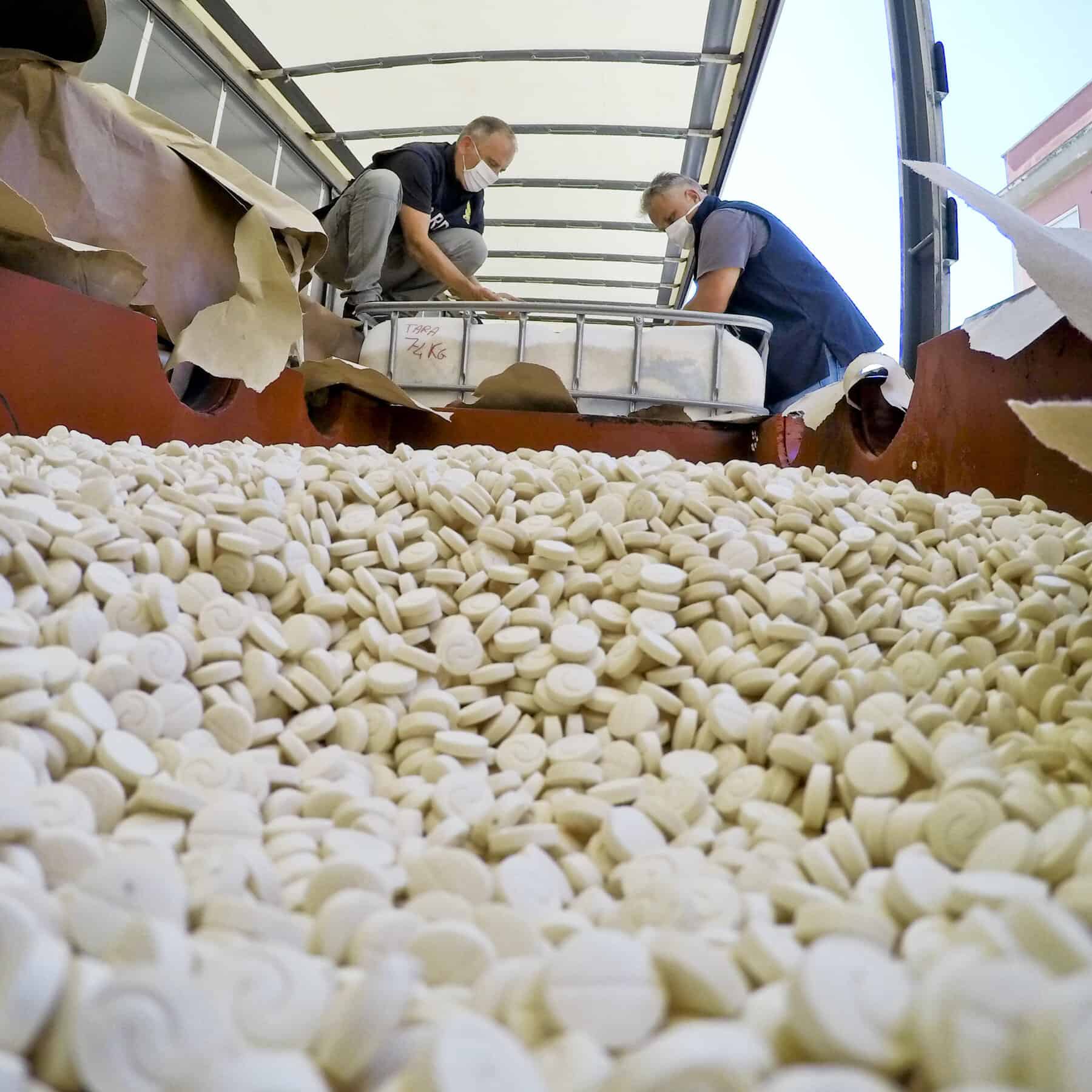

Riyadh, Saudi Arabia–Saudi Arabia on Wednesday said it had seized nearly 30 tons of the mildly narcotic shrub khat this month, as part of a larger drug crackdown by the oil-rich kingdom.
Khat, or qat, is a leaf which is packed into the cheek and slowly chewed, releasing chemicals similar to amphetamines and resulting in a mild high.
It is very popular in Yemen and Horn of Africa countries like Ethiopia and Somalia.
Saudi border authorities seized 29.2 tons of khat in the country’s south, near the border with Yemen, as well as in the north, near Jordan, according to the official Saudi Press Agency.
The shipments were seized between December 3-24, according to SPA.
More than 360 smugglers were arrested, most of them Yemeni but also some Ethiopians and Saudis, it said.
Yemen, mired in civil war since 2014 and long the Arabian Peninsula’s poorest nation, is a major producer and consumer of khat, which is banned in some countries but has been part of Yemen’s social fabric for thousands of years.
The country was once best known for its coffee industry, but khat profits have eclipsed that trade and spread into other agricultural lands including Ethiopia and Kenya.
Saudi Arabia is also a major market for the addictive amphetamine called captagon.