


Geneva, Switzerland – The Taliban must immediately revoke their policies targeting women and girls in Afghanistan, the UN rights chief insisted Tuesday, condemning their “terrible” consequences.
“No country can develop — indeed survive — socially and economically with half its population excluded,” Volker Turk, the United Nations High Commissioner for Human Rights, said in a statement.
“These unfathomable restrictions placed on women and girls will not only increase the suffering of all Afghans but, I fear, pose a risk beyond Afghanistan’s borders.”
He said the policies risked destabilizing Afghan society.
“I urge the de facto authorities to ensure the respect and protection of the rights of all women and girls — to be seen, to be heard and to participate in and contribute to all aspects of the social, political and economic life of the country,” said Turk.
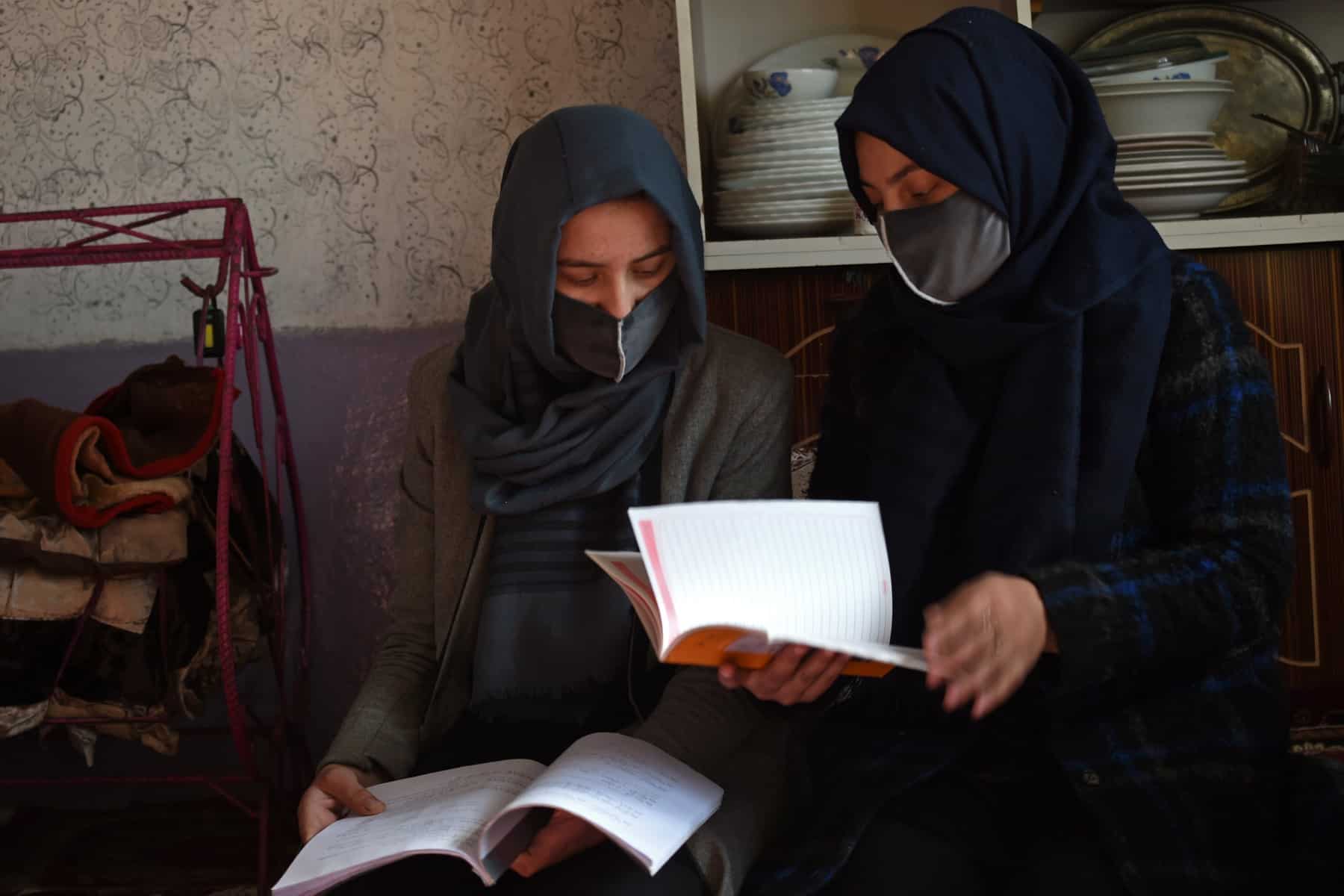
On Saturday, Afghanistan’s rulers banned women from working in non-governmental organizations. The Taliban have already suspended university education for women and secondary schooling for girls.
“This latest decree by the de facto authorities will have terrible consequences for women and for all Afghan people,” Turk said.
“Banning women from working in NGOs will deprive them and their families of their incomes, and of their right to contribute positively to the development of their country and to the well-being of their fellow citizens.”
The move is the latest blow against women’s rights in Afghanistan since the Taliban reclaimed power last year.
“The ban will significantly impair, if not destroy” these NGOs’ capacity to deliver essential services, Turk said, calling it all the more distressing with Afghanistan in the grip of winter, when humanitarian needs are at their highest.
Several foreign aid groups announced on Sunday they were suspending their operations in Afghanistan.
Women have also been pushed out of many government jobs, prevented from travelling without a male relative and ordered to cover up outside of the home, ideally with a burqa, and not allowed into parks.
The international community has made respecting women’s rights a sticking point in negotiations with the Taliban government for its recognition and the restoration of aid.
“Women and girls cannot be denied their inherent rights,” said Turk.
“Attempts by the de facto authorities to relegate them to silence and invisibility will not succeed.”