
Iran and the United States held another round of indirect negotiations in Geneva on Thursday aimed at reviving a deal over Tehran’s nuclear program, even as Washington increases its military presence in the Middle East.
The talks are being mediated by Badr al-Busaidi, the foreign minister of Oman, which has long acted as a channel between Tehran and Washington. The discussions are taking place at Omani diplomatic buildings near Lake Geneva.
U.S. President Donald Trump has pushed for a new agreement to restrict Iran’s nuclear activities. At the same time, the U.S. has deployed additional warships and aircraft to the region, raising fears of possible military escalation if diplomacy fails.
Iran says it wants to avoid war but insists it has the right to enrich uranium and will not negotiate over its missile program or its backing of regional armed groups.
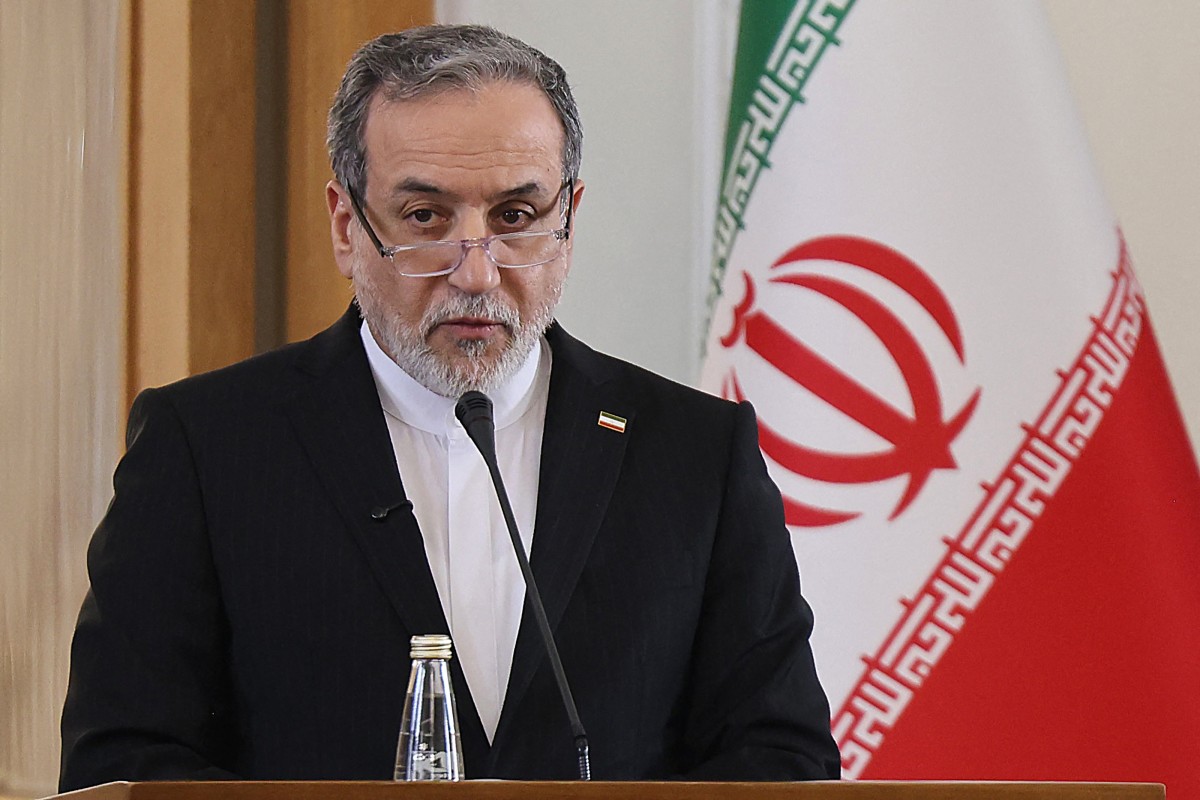
Iranian Foreign Minister Abbas Araghchi warned that any U.S. strike could ignite a broader regional conflict.
“There would be no victory for anybody — it would be a devastating war,” Araghchi told India Today in an interview filmed Wednesday before he flew to Geneva.
“Since the Americans’ bases are scattered through different places in the region, then unfortunately perhaps the whole region would be engaged and be involved, so it is a very terrible scenario.”
The current round marks the third set of talks since last year’s 12-day conflict between Israel and Iran, during which the U.S. carried out heavy strikes on Iranian nuclear facilities. The full extent of the damage to Iran’s program remains unclear.
Araghchi met al-Busaidi shortly after arriving in Geneva. Oman’s state news agency said the two “reviewed the views and proposals that the Iranian side will present to reach an agreement.” Al-Busaidi later met U.S. representatives, including special envoy Steve Witkoff and Trump’s son-in-law Jared Kushner.
After about three hours of discussions, the sides adjourned and planned to resume talks later in the day.
Iran’s Foreign Ministry spokesperson Esmail Baghaei described the negotiations as “very intensive” and said there were “constructive proposals” concerning both nuclear issues and sanctions relief.
The head of the International Atomic Energy Agency also met with the Omani mediator. The IAEA, the United Nations’ nuclear watchdog, has said Iran previously maintained a weapons program until 2003.
Trump has called for Iran to completely halt uranium enrichment and curb its missile development and regional activities. Iran maintains its nuclear program is for peaceful purposes only.
U.S. Secretary of State Marco Rubio said Wednesday that Iran is “always trying to rebuild elements” of its nuclear program. He added that Tehran is not currently enriching uranium, “but they’re trying to get to the point where they ultimately can.”
Meanwhile, satellite images analyzed by The Associated Press show that U.S. naval vessels normally docked in Bahrain — home to the U.S. Navy’s Fifth Fleet — are now at sea. Similar movements were observed before previous Iranian retaliatory actions.
If talks collapse, uncertainty remains over whether the U.S. would launch limited strikes to pressure Iran or pursue a broader military campaign. Analysts warn that any conflict could draw in Gulf nations and Israel, disrupt oil shipments through the Strait of Hormuz, and further destabilize the region.
For now, both sides appear to be balancing diplomacy with displays of military strength, as efforts continue in Geneva to prevent another war.