
By Siriki Sangare
Innovation doesn’t happen by decree. It happens when people collide, when ideas rub up against each other, when unlikely conversations spark new possibilities. Right now, as Côte d’Ivoire races ahead with digital transformation, modernized infrastructure, and a rising class of young entrepreneurs, one force is quietly shaping the country’s next chapter: professional events. Conferences, expos, and forums may sound routine, but in West Africa, they’re becoming something entirely different: a strategic engine for economic reinvention.
Take Build Expo Côte d’Ivoire. On paper, it’s a construction-sector expo. In practice, it’s a pressure cooker of ideas where startups, industrial giants, SMEs, and government leaders step into the same room and confront their visions of the future.
At the latest edition, a heated debate around regional specialization in construction materials cracked open a bigger conversation about how West African countries can stop competing in silos and start building shared industrial value chains.
This is how economic strategy is shaped now: not behind closed doors, but in open arenas where the region’s future creators challenge one another.
Innovation You Can Touch and Trust
In sectors like construction, where Côte d’Ivoire faces soaring demand for housing, infrastructure, and productivity, innovation often stalls because it feels distant or theoretical.
Events Fix That
A live demo, a hands-on prototype, a face-to-face conversation with a technology’s creator give business leaders what they actually need: enough confidence to adopt new tools, new methods, and new ways of building.
Innovation becomes tangible. It becomes real. It becomes investable.
Africa Is Rewriting Its Innovation Story
For decades, the world viewed innovation in Africa as an import. A one-way pipe from the Global North to the Global South. That story is collapsing.
Côte d’Ivoire, and much of Africa, now builds its own ecosystems, cultivates homegrown talent, and exports its own solutions. The continent is reshaping not just markets, but assumptions.
Professional events are amplifiers of this shift. They showcase a continent that no longer waits for technology; it produces it. A continent that’s not merely catching up but setting direction.
For example, beyond the direct impact of Build Expo, the recent Medical Expo in Abidjan sparked a strategic dialogue between Côte d’Ivoire and Türkiye on jointly strengthening the national health system, an exchange that aims to position Côte d’Ivoire as a regional healthcare hub capable of serving all of West Africa.
Similarly, during the West Africa Agri & Energy Forum, Ivorian innovators unveiled new solar-powered irrigation systems and smart urban planning tools solutions that are now being tested in secondary cities to improve food security, reduce energy costs, and support more resilient urban development across the region.
The Real Impact: Communities That Outlast the Event
What happens after the expo is just as important as what happens on stage. These gatherings give birth to cross-border communities of engineers, researchers, entrepreneurs, investors, and policymakers. Networks strong enough to take on the defining challenges of the region: rapid urbanization, energy demand, mobility gaps, and the urgent need for resilient housing.
One example is the collaboration group formed after the West Africa Infrastructure Forum, which now works jointly on housing standards and urban planning frameworks across Côte d’Ivoire, Senegal, and Togo.
These are not temporary encounters; they are the new architecture of West Africa’s innovation landscape.
The Bottom Line: Events Are Becoming Economic Policy Tools
In Côte d’Ivoire and across the region, professional events are evolving from flashy showcases into strategic assets.
Most importantly, they create the collisions that make new ideas possible. Innovation begins with meeting someone you otherwise would never have met. Each of these meetings is helping write a new chapter for Africa, a chapter defined not by what the continent receives, but by what it creates.
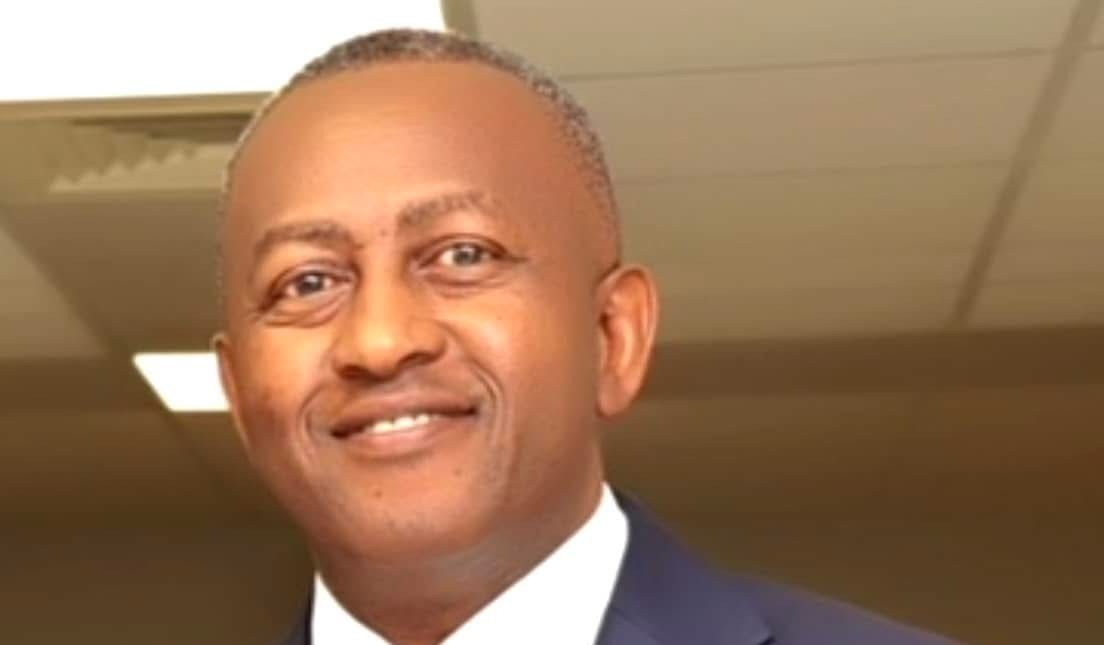
(Siriki Sangare is President of the National Chamber of Approved Developers and Builders of Côte d’Ivoire. This article was originally published in the special print Knowledge Economy issue of Trends in Dec. 2025)