


-
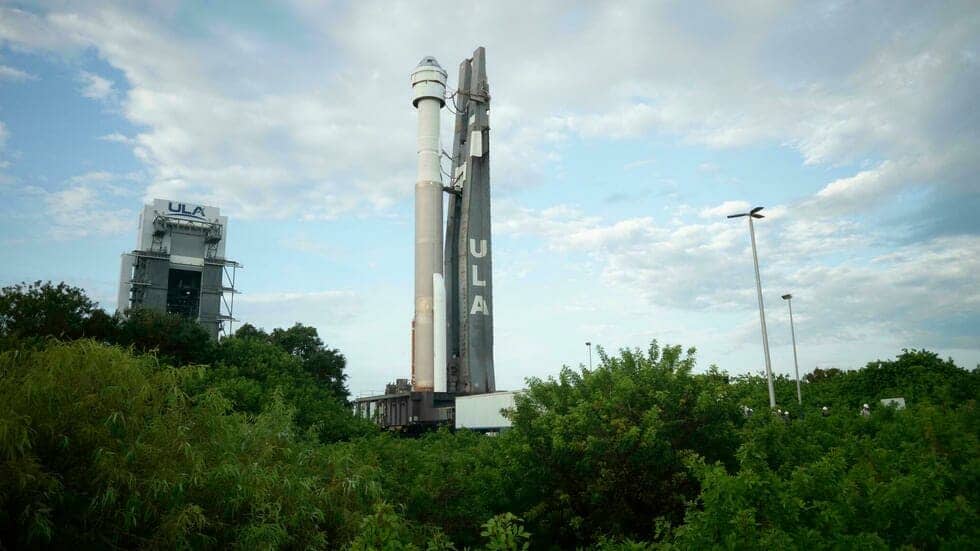
The spaceship is due to launch on an Atlas V rocket built by the United Launch Alliance from Cape Canaveral Space Force Station in Florida at 1:20 pm Eastern time (1720 GMT
-
A livestream of the mission, Orbital Flight Test-2 (OFT-2), will be up on NASA’s website
Boeing will be aiming to get its spaceflight program back on track Tuesday with an uncrewed flight of its Starliner capsule to the International Space Station (ISS), after its last such test in 2019 ended in failure.
The spaceship is due to launch on an Atlas V rocket built by the United Launch Alliance from Cape Canaveral Space Force Station in Florida at 1:20 pm Eastern time (1720 GMT).
A livestream of the mission, Orbital Flight Test-2 (OFT-2), will be up on NASA’s website.
About 30 minutes after launch, the Starliner capsule will fire its thrusters to enter orbit and begin a daylong trip to the space station, with docking set for 1:37 pm on Wednesday.
The weather forecast currently predicts a 60 percent chance of launch, with clouds and lightning the main possible hurdles.
The test flight was supposed to take place Friday but had to be rescheduled after a Russian science module inadvertently fired its thrusters following docking with the ISS, sending the orbital outpost out of its normal orientation.
After NASA ended the Space Shuttle program in 2011, it gave both Boeing and SpaceX multi-billion dollar contracts to provide its astronauts taxi services to the space station and end US reliance on Russian rockets for the journey.
SpaceX’s program has moved forward faster, having now undertaken three crewed missions.
Boeing’s program is lagging behind. During an initial uncrewed test flight in December 2019, the Starliner capsule experienced software issues, failed to dock at the ISS and returned to Earth prematurely.
NASA later identified 80 corrective actions Boeing needed to take and characterized the test as a “high visibility close call” during which time the spacecraft could have been lost twice.
Steve Stich, manager of NASA’s commercial crew program, told reporters last week he had confidence this time around.
“We want it to go well, we expect it to go well, and we’ve done all the preparations we can possibly do,” he said.
“Starliner is a great vehicle, but we know how hard it is, and it’s a test flight as well and I fully expect we’ll learn something on this test flight.”
The spacecraft will be carrying more than 400 pounds (180 kilograms) of cargo and crew supplies to the ISS and will return more than 550 pounds of cargo, including air tanks, when it lands in the western US desert at the end of its mission.