
Britain has withdrawn its diplomatic staff from Tehran amid mounting fears of potential US military strikes on Iran, as tensions over Tehran’s nuclear programme intensify.
The UK government confirmed it had taken “the precautionary measure to temporarily withdraw UK staff from Iran,” adding that its embassy would continue to operate remotely. The Foreign Office warned that its ability to assist British nationals in Iran was now “extremely limited”, with no in-person consular support available.
The move comes as US President Donald Trump signalled that military action remains an option if diplomacy fails. During his State of the Union address earlier this week, Trump said he preferred a negotiated settlement but would not allow Tehran to develop a nuclear weapon.
At the same time, the US has asked non-emergency staff and family members at its embassy in Jerusalem to leave Israel due to security concerns, reflecting broader fears of regional escalation.
The heightened tensions follow a report by the International Atomic Energy Agency which said Iran had stored highly enriched uranium at underground sites, close to weapons grade. The findings have added urgency to already fragile negotiations.
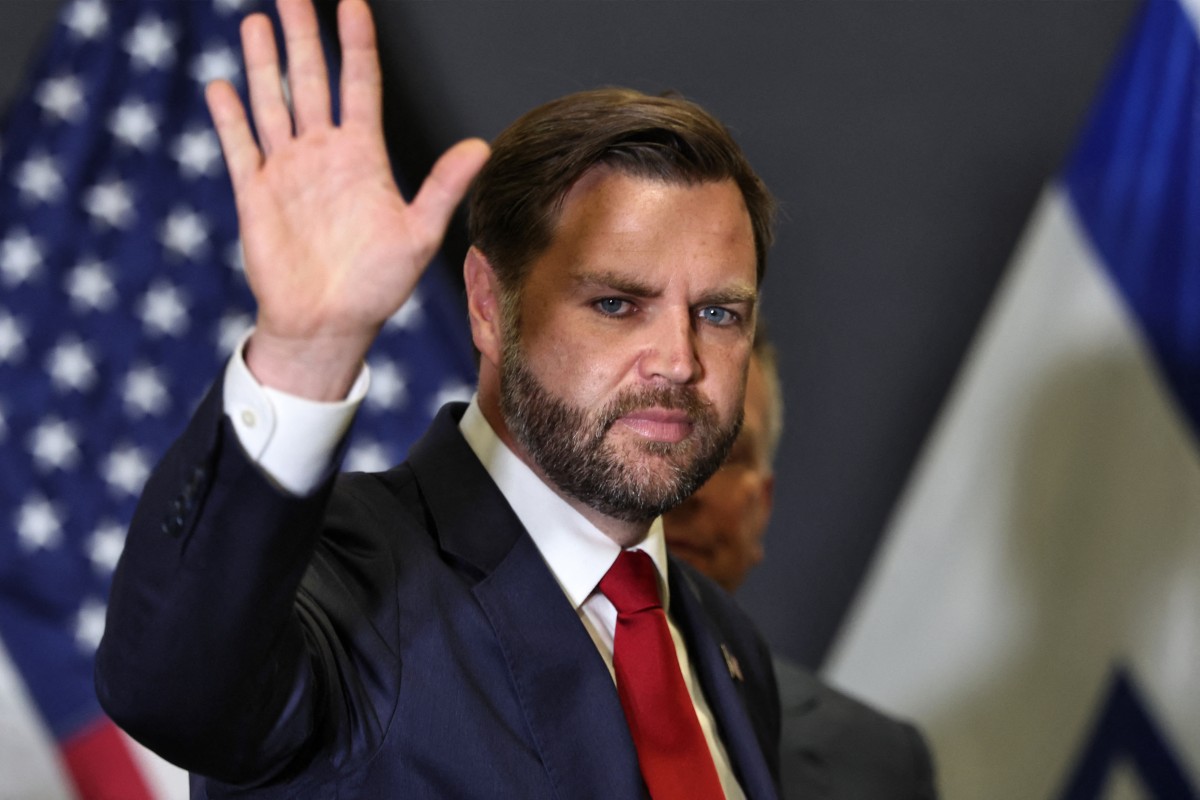
US Vice President JD Vance sought to calm fears of another prolonged conflict in the Middle East, insisting any military engagement would be limited in scope.
“The idea that we’re going to be in a Middle Eastern war for years with no end in sight – there is no chance that will happen,” he told The Washington Post.
He added that President Trump was still weighing his options as indirect talks continued over Iran’s nuclear programme. Vance also pointed to previous US operations, including the capture of Venezuelan president Nicolas Maduro in January and strikes on Iran last summer, describing them as operations that were “very clearly defined”.
Reports suggest some of Trump’s advisers would prefer Israel to initiate any strike, calculating that American public opinion would be more supportive if Washington were seen as backing an ally rather than acting unilaterally.
With Trump’s informal deadline for a nuclear agreement reportedly nearing expiry, and diplomatic efforts showing limited progress, the risk of military confrontation in the region appears to be rising once again.