
BEIRUT: Crisis-hit Lebanon Wednesday raised fuel prices for the second time in less than a week amid severe rationing spurred by the collapse of a subsidy system that has depleted state coffers.
Grappling with its worst-ever financial crisis, Lebanon has gradually increased fuel prices in recent months because the cash-strapped central bank can no longer afford to fund fuel imports.
The latest price hike, expected to be followed by further increases in the coming weeks, is widely seen as a prelude to a final and definite lifting of fuel subsidies by the government.
The revised price list published by the energy ministry on Wednesday set the price of 20 litres of 95-octane petrol at 202,400 Lebanese pounds ($13 at the black market rate), up from 174,000 pounds the previous week.
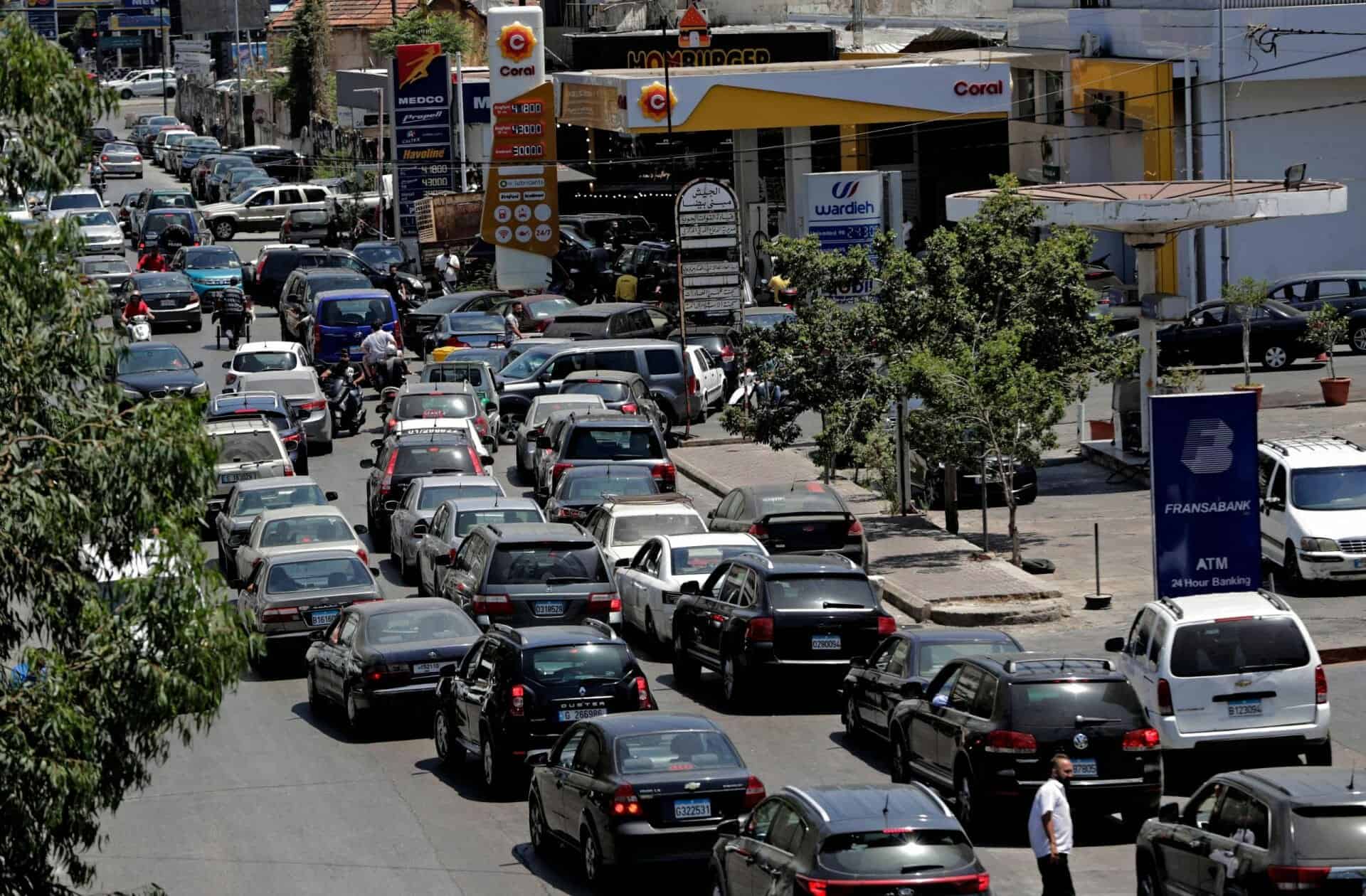
Since the end of June, the price of petrol has more than tripled amid severe rationing that has turned entire streets into chaotic queues for cars lining up to fill up at the pumps.
To fill a medium-sized vehicle’s tank, most Lebanese would now have to pay close to the monthly minimum wage of 675,000 Lebanese pounds, at a time when nearly 80 percent of the population is estimated to live below the poverty line.
George al-Brax, a member of the syndicate of gas station owners, told local media on Wednesday that the latest price hike was not “final,” suggesting that prices will soon go up again.
He also cautioned that the imminent lifting of subsidies would not spell the end of long petrol queues which began at the start of summer and have since only gotten worse.
The energy ministry’s announcement on Wednesday came as many pumps across the country remained closed to customers.
Importers and gas station owners say they are out of stock but authorities have accused them of hoarding supplies to sell at higher prices once subsidies are officially lifted.
Prime Minister Najib Mikati, whose government was sworn in on Monday after 13 months of political paralysis, told CNN this month that 74 percent of more than $10 billion dollars spent on subsidies had been “misused by traders”.