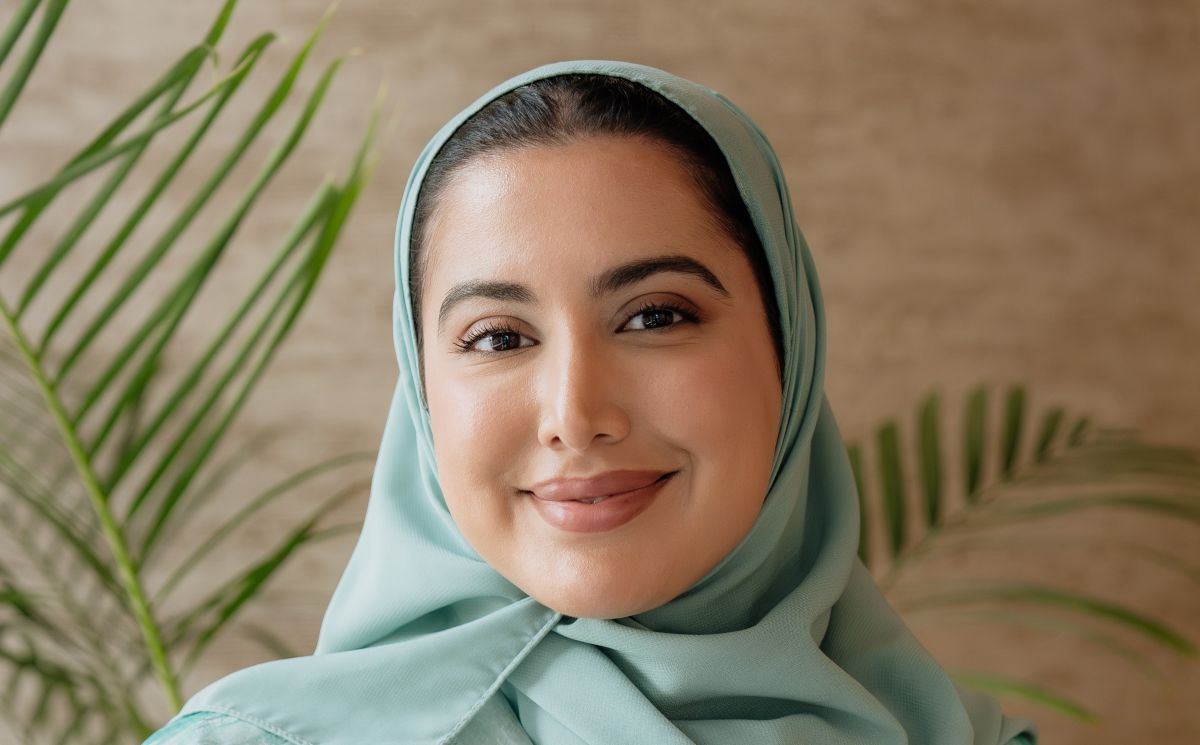

By Maha AlAbduljabbar
Youth are the next frontier of the GCC’s knowledge economy.
I still remember a classmate from school who, at just 14, developed technologies that improved battery efficiency and advanced renewable energy applications. Her inventions won international gold medals and awards. Watching her ideas move from a science lab to a global stage so young showed me that our greatest resource is the ingenuity of our youth.
In Saudi Arabia, more than 60 percent of the population is under 30, and across the GCC, over 50 percent was under 25 in 2021. This demographic strength is shaping the foundation of the region’s emerging knowledge economy, where the next era of growth will not come from oil, but from young people who know how to think, adapt, and innovate.
This generational shift has been accelerated by national visions across the GCC, from Saudi Arabia’s Vision 2030 to Bahrain’s Economic Vision 2030 to Qatar National Vision 2030, each prioritizing human capital for a knowledge-driven future. In practice, GCC countries are allocating larger shares of their budgets to youth education and training and embracing digital transformation in learning. At the grassroots, the knowledge economy is starting to take shape.
As Curator of the World Economic Forum’s Riyadh Global Shapers Community, I witnessed how youth networks can become living ecosystems of localized innovation. What began as a small volunteer hub soon grew into one of the region’s most impactful youth-led communities.
When we launched initiatives such as SPARK Social Innovation, Tharwa, and Wasilah, the goal was beyond delivering projects to encompass how knowledge creation works in practice. SPARK trained hundreds of youths across Saudi Arabia, Jordan, and Pakistan to design community solutions; Tharwa empowered young Saudis to make informed financial decisions through mentorship and peer learning; Wasilah integrated essential life skills into education systems. Over time, we began to see these experiences not as isolated projects, but as interconnected threads of a broader ecosystem that illustrates how local action and global collaboration feed each other.
That realization became the structure for establishing Tura, a nonprofit backed by HRH the Crown Prince’s Misk Foundation. Tura convened 100+ young leaders from 30+ countries to contribute to and co-create policies and prototypes that promote mutual understanding and global citizenship. From Kampala to Lviv to Amman, Tura illustrated that the region’s knowledge economy is part of a wider conversation about how diversity and dialogue can accelerate growth. Essentially, each initiative became a microcosm of how knowledge ecosystems flourish via collaboration across sectors and borders, intergenerational learning, and localization of global ideas.
When a corporate mentor collaborates with a student engineer, or when a public official joins a youth-led roundtable, the exchange of experience and imagination produces innovative ideas and tailored solutions. This, to me, is the promise of the knowledge economy: It democratizes contribution. It allows a 34-year-old scientist, a 25-year-old social innovator, and a seasoned policymaker to co-create solutions that reflect the region’s unique social and cultural context. That dynamic, which combines wisdom and creativity, is precisely what national visions need to scale. Still, even with momentum, there remain structural gaps.
(This article was originally published in the special Knowledge Economy issue of Trends in Dec 2025)