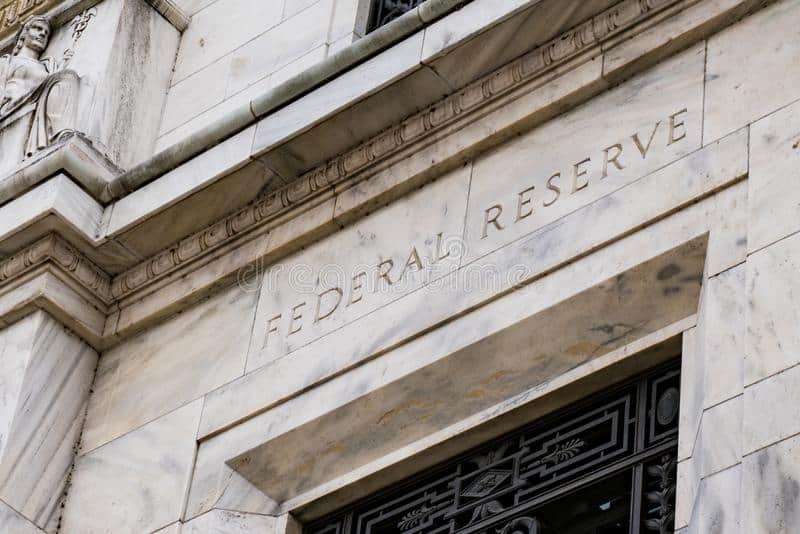

Washington, United States — The US private sector shed 32,000 jobs in November, payroll firm ADP said Wednesday, in a surprise drop set to firm up expectations of an interest rate cut next week.
President Donald Trump has been touting the economy’s health, and forecasts had incorrectly predicted the monthly data would show a net rise in employment.
“Hiring has been choppy of late as employers weather cautious consumers and an uncertain macroeconomic environment,” ADP chief economist Nela Richardson said.
“While November’s slowdown was broad-based, it was led by a pullback among small businesses.”
The ADP data had been expected to show 10,000 to 40,000 new jobs created.
The figures are considered unreliable by some analysts, but are still closely watched as a gauge of the US economy, especially as official data is incomplete due to a federal government shutdown that has now ended.
Expectations of US rate cuts were boosted Tuesday by reports that Trump’s top economic adviser Kevin Hassett — a proponent of more reductions — is the frontrunner to take the helm at the Fed when Jerome Powell’s tenure ends in May.
While some bank decision-makers back a reduction, there are differences on the policy board about the need to target the soft labor market or stubbornly high inflation.