
Talks between the United States and Iran are expected to resume Thursday in Geneva, as both sides signal cautious optimism despite a growing American military presence in the Middle East and rising domestic tensions inside Iran.
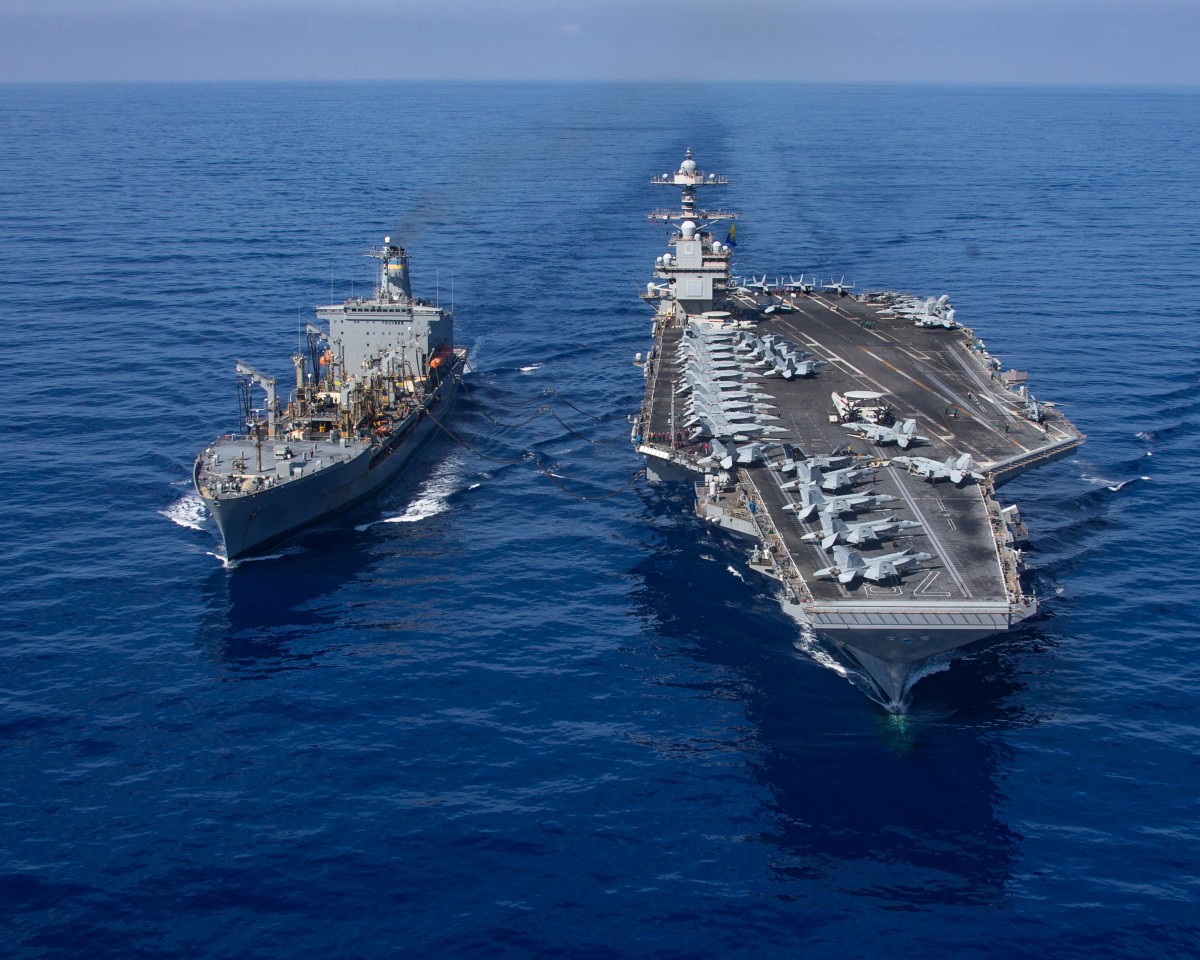
Oman’s foreign minister, Badr Albusaidi, said discussions would restart “with a positive push to go the extra mile towards finalising the deal.” The renewed diplomacy comes as Washington has deployed two aircraft carriers, additional jets and ships, and reinforced air defenses across the region, heightening fears of potential strikes.
According to France24 and other media reports, Iranian officials say they are preparing elements of a possible agreement aimed at averting renewed conflict over Tehran’s nuclear program. Foreign Minister Abbas Araghchi told CBS News that details of a draft proposal were being drawn up ahead of Thursday’s meeting.
“I believe that when we meet, probably this Thursday in Geneva again, we can work on those elements and prepare a good text and come to a fast deal,” Araghchi said. He added that “there is a good chance to have a diplomatic solution,” while warning that Iran would defend itself if attacked.
The renewed push for negotiations follows mounting US pressure. President Donald Trump’s Middle East negotiator, Steve Witkoff, questioned why Tehran had not yet “capitulated,” suggesting Washington expects clearer concessions on Iran’s nuclear activities. Western governments have long feared Iran’s program is aimed at developing a bomb, an allegation Tehran denies, insisting its uranium enrichment is for civilian purposes.
A previous diplomatic effort was derailed last year by Israeli air strikes on Iran, triggering a 12-day conflict in June that briefly drew in US forces targeting Iranian nuclear facilities. Since then, tensions have remained high.
Inside Iran, the government faces pressure on multiple fronts. Nationwide protests over economic hardship and political grievances expanded into broader anti-government demonstrations late last year, prompting a crackdown that rights groups say killed thousands. On Sunday, Iranian students staged competing pro- and anti-government rallies in Tehran, with some demonstrators risking arrest.
The security situation has led several countries — including Sweden, Serbia, Poland and Australia — to urge their citizens to leave Iran.
Despite the buildup of US military assets and deep mistrust on both sides, officials in Tehran say recent talks mediated by Oman yielded encouraging signals. Axios reported that if Iran submits its proposal within 48 hours, Washington is prepared to resume detailed negotiations later in the week.
For now, diplomacy and deterrence are unfolding in parallel — with the outcome uncertain.