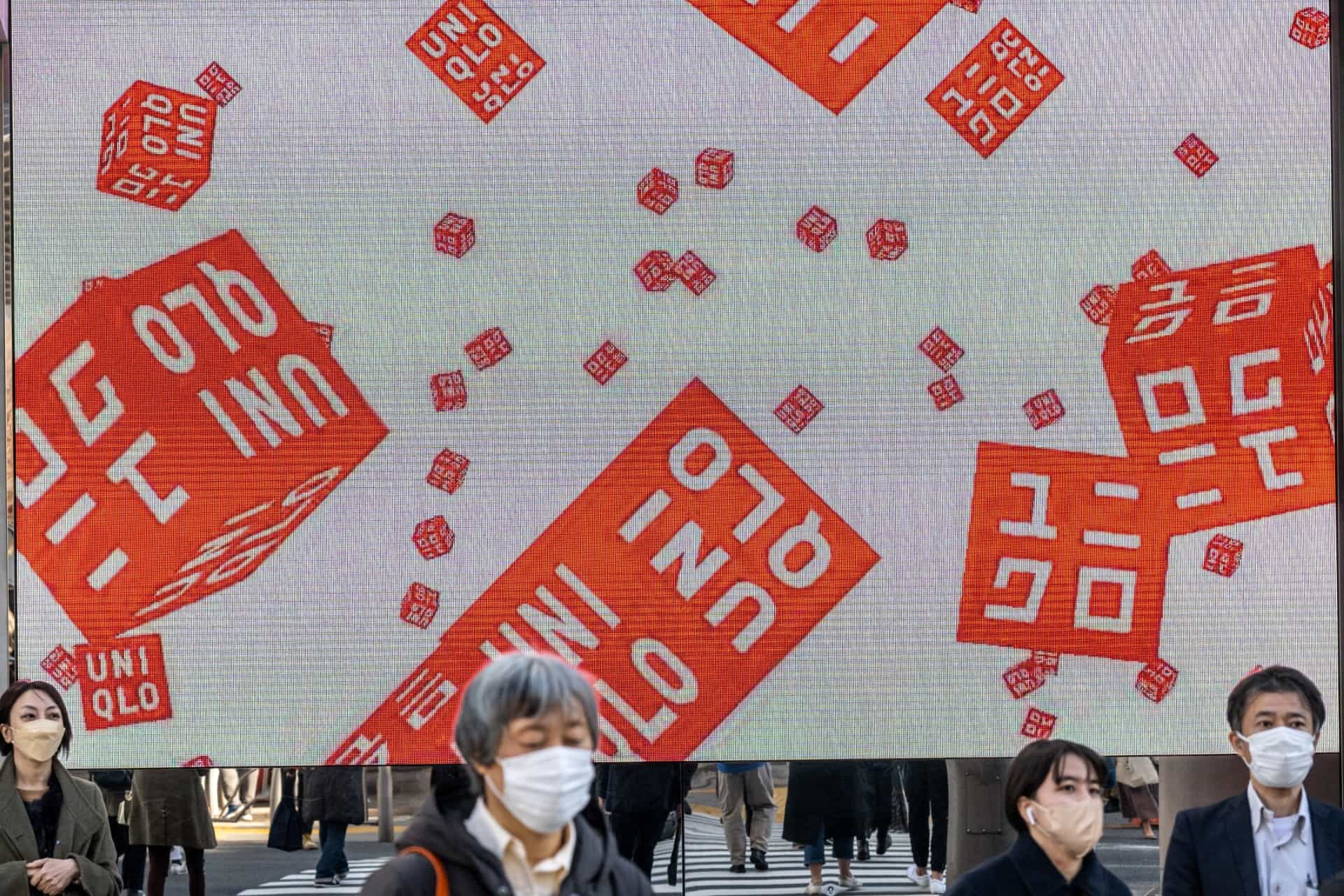

Tokyo, Japan– Uniqlo’s parent company said Wednesday it would raise the wages of thousands of its employees in Japan by up to 40 percent to help it become more competitive globally.
The salary bump will apply to around 8,400 full-time employees out of the 56,000 working for parent company Fast Retailing in Japan.
The increases will vary across staff categories, with newly arrived employees likely to see a bump of less than 20 percent, while those in managerial roles or with more experience could earn up to 40 percent more a year.
In a statement, Fast Retailing said it hoped the increased pay packets would lead to the “growth of individuals” and, in turn, “even greater global competitiveness”.
The pay rises, along with other adjustments to the salaries of part-time workers announced last year, will see Fast Retailing’s personnel costs in Japan rise about 15 percent.
The move comes with Japanese inflation at 3.7 percent in November, the highest figure since 1981, and follows calls from Prime Minister Fumio Kishida for higher wages.
But Fast Retailing did not cite the Japanese economic situation in announcing the pay rises, saying instead that salaries would now be based on “globally aligned” criteria.