
The US-Iran war has cost Arab economies about $150 billion in its first month alone, according to Rania al-Mashat, executive secretary of the UN Economic and Social Commission for Western Asia (ESCWA).
The losses are equivalent to about 4 percent of the region’s gross domestic product, al-Mashat said at an informal UN Security Council meeting on maritime security.
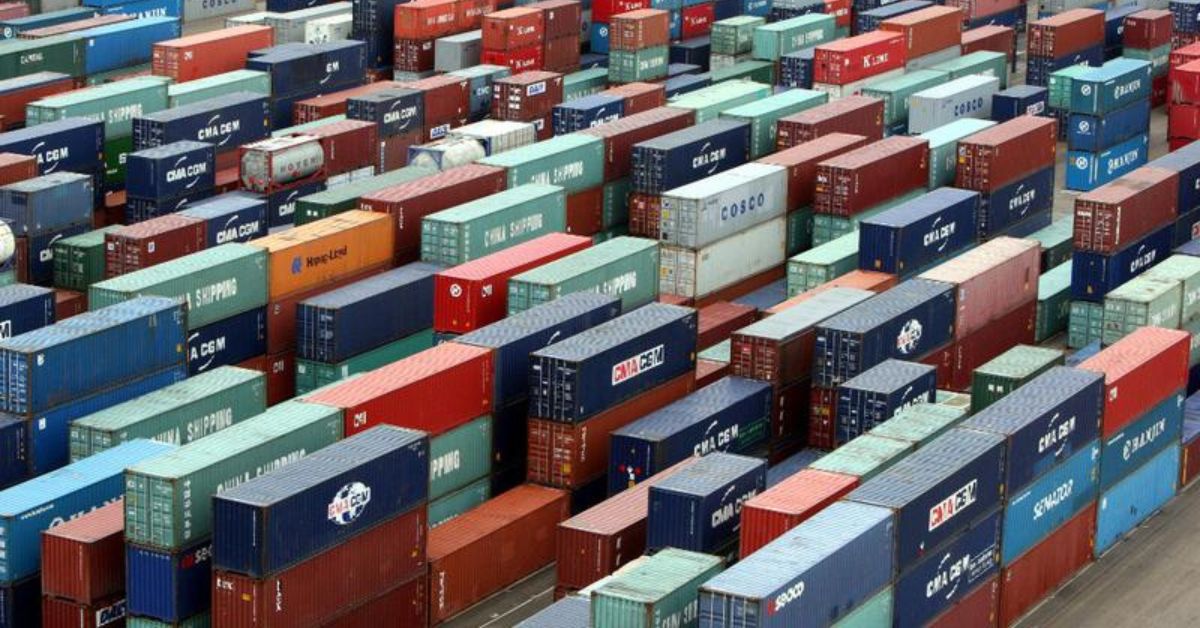
She said threats to navigation through the Strait of Hormuz and Bab al-Mandeb were affecting security, trade, economic stability and access to essential goods.
About 25 percent of the world’s seaborne oil trade and 19 percent of liquefied natural gas trade pass through the Strait of Hormuz, while Gulf states are major exporters of ammonia, fertiliser, sulphur and aluminium, she said.
Al-Mashat warned that the conflict could delay investment and economic diversification across the Arab world. She called for efforts to prevent the war from expanding, preserve freedom of navigation and strengthen regional preparedness for further disruptions to essential supplies and services.
US President Donald Trump, meanwhile, said he faced a major decision over whether to launch further action against Iran.
“Do I want to go in and annihilate them, or do I not?” Trump told Axios. “It’s a big decision. Anything could happen with me.”
Trump has repeatedly threatened large-scale destruction of Iran during the conflict. On March 21, he threatened to “hit and obliterate” Iranian power plants if Tehran did not reopen the Strait of Hormuz.
He later warned Iran could be taken back to the “Stone Ages”, said it would “face hell” and said the “entire country can be taken out in one night”.
On April 7, Trump warned that “a whole civilisation will die tonight” if Tehran rejected his demands.
Shipping through Hormuz remains sharply reduced. Preliminary data showed only four cargo ships crossed the Strait on Thursday, down from six the previous day and well below the 10-day average of about 16 ships. The figures excluded vessels that may have switched off their Automatic Identification System transponders.
Oil prices fell about 1 percent for a third consecutive session but remained above $100 a barrel. Brent crude was at $103.77 and US West Texas Intermediate at $100.88 as of 00:20 GMT on Friday.
South Korean President Lee Jae Myung ruled out deploying military troops for intervention in the US war with Iran, while saying Seoul would take minimal action to protect its merchant ships and oil transport routes.
Saudi Arabia’s embassy in Washington welcomed a potential US sale of 48 F-35 fighter jets to the kingdom. The proposed sale is estimated at about $24.3 billion, according to the text.
Meanwhile, a UN fact-finding mission said there were “reasonable grounds” to believe the US committed war crimes in Iran in at least two air strikes in February, including one that killed more than 150 people at a school, most of them children.
In Yemen, Houthi leader Abdel-Malik al-Houthi accused Saudi Arabia of using Mecca for political and military goals and said current battlefield actions were defensive.