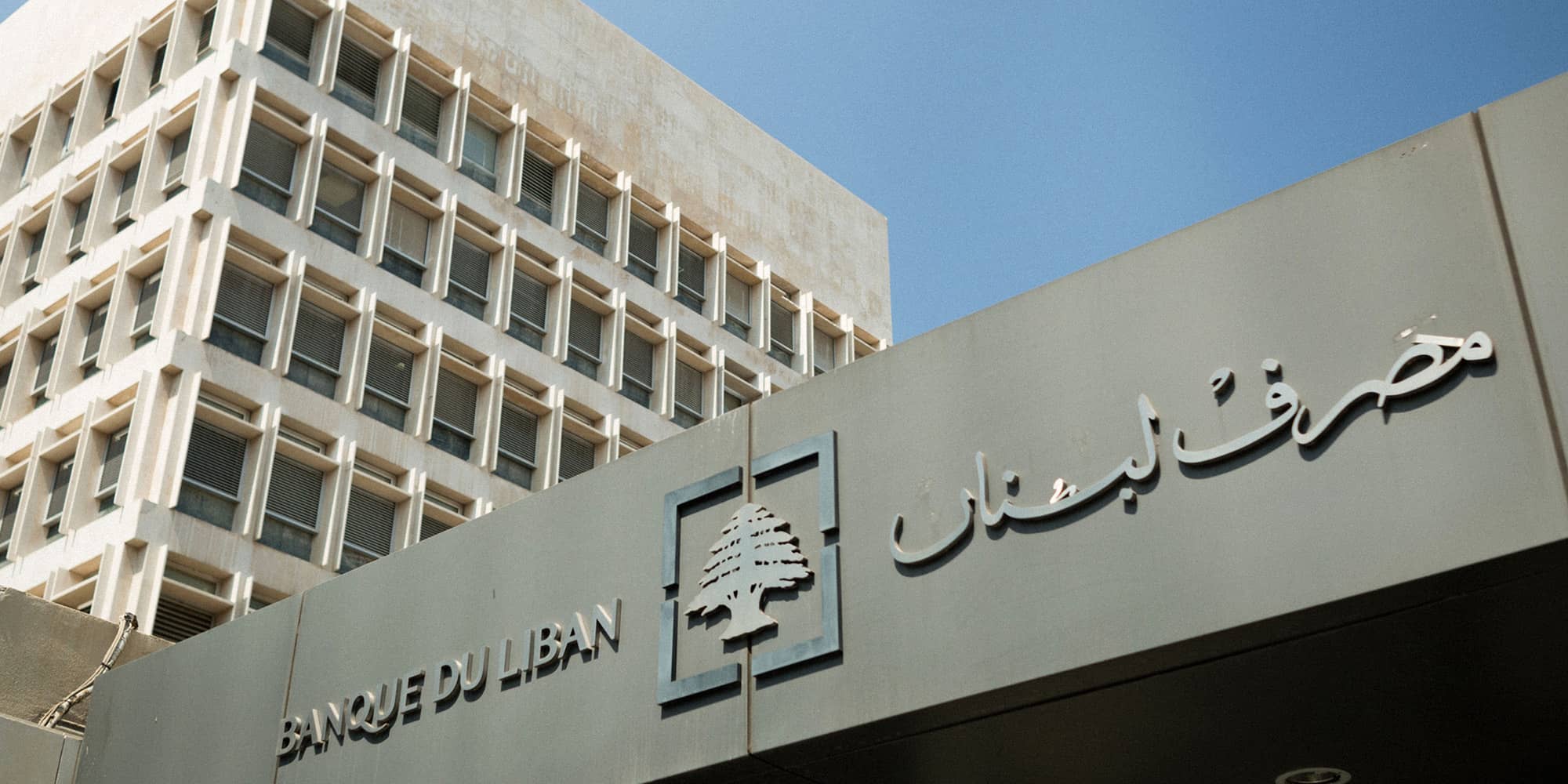

Lebanon from Wednesday will shift its long-standing official exchange rate to 15,000 pounds against the dollar, a central bank source said – an almost 90 percent devaluation amid a years-long economic crisis.
The Lebanese pound has been officially pegged at 1,507 to the greenback since 1997, but its market value began to slide in late 2019 and hit record lows of more than 60,000 this month.
“Starting tomorrow, one dollar will be worth 15,000,” a central bank source told AFP Tuesday.
“There will no longer be such a thing as the 1,507 rate,” the source added, requesting anonymity as they were not authorised to speak to the media.
The first change to the official rate in more than two decades comes as the currency was trading at 58,000 to the dollar on the street on Tuesday – almost four times the 15,000 rate.
Lebanon’s finance ministry had announced last year that it would roll out the 15,000 official exchange rate in November, but the move was not implemented.
Battling surging poverty and financial collapse, Lebanon has seen the pound lose more than 95 percent of its market value to the greenback since 2019.
The country is being run by a caretaker government and is also without a president as lawmakers have repeatedly failed to elect a successor to Michel Aoun, whose mandate expired at the end of October.
The crisis has seen poverty rates climb to reach more than 80 percent of the population, according to the United Nations.
Unifying Lebanon’s multiple official exchange rates is a major prerequisite for the country to access a bail-out from the International Monetary Fund.