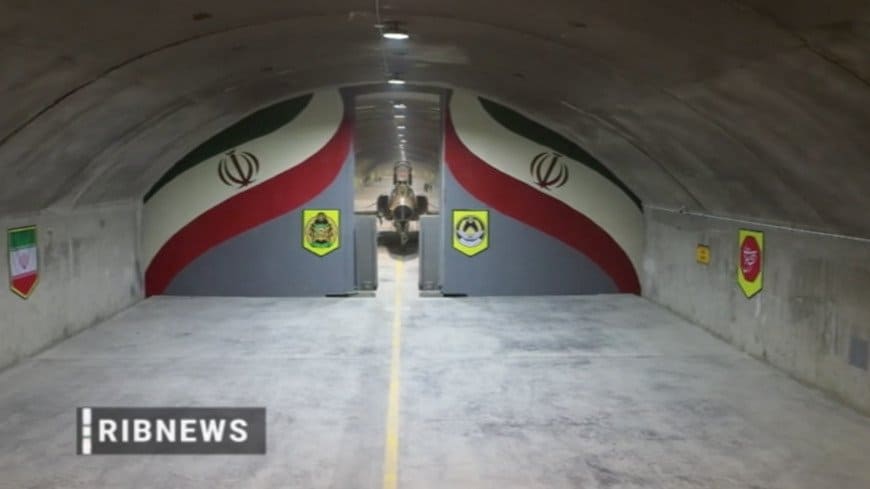

In the first such public display, Iran on Tuesday unveiled its first underground air force base, called “Eagle 44.”
“It is one of the army’s most important air force bases, with fighters equipped with long-range cruise missiles and built in the depths of the earth,” Iran’s official news agency IRNA reported.
Last week, Iran claimed Israel launched a drone strike on a military plant in the central city of Isfahan, vowing vengeance for what seemed to be the latest chapter in a long-running secret conflict.
The attack occurred amid tension between Iran and the West over Tehran’s nuclear program and its supply of weapons for Russia’s war in Ukraine, as well as months of anti-government protests at home.
Western powers accuse Iran of seeking to build nuclear weapons, something that Tehran has always denied.
The IAEA, the UN’s nuclear watchdog has been pressing Iran to roll back its nuclear programme amid Tehran’s stalled talks with the western countries to revive the key 2015 nuclear deal.
The agreement Iran reached with Britain, China, France, Germany, Russia and the United States gave Tehran relief from sanctions in return for guarantees it could not develop an atomic weapon.
The deal collapsed after Washington’s unilateral withdrawal in 2018 under then president Donald Trump.