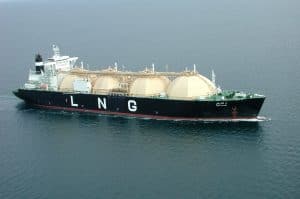

Istanbul, Turkey – Turkey’s current account deficit increased to $9.85 billion in January, the highest monthly deficit since 1984, the first year for which such a record is available, according to figures from the central bank released on Monday. The increase was caused by a rising energy cost and imports of gold.
In 2022, Turkey’s current account deficit was $48.7 billion.
Turkey’s trade deficit widened 38 percent in January to $14.24 billion, largely due to the sharp rise in gold imports and the rising cost of energy imports.
Excluding gold and energy, the current account showed a surplus of $2.6 billion in January, as opposed to a surplus of $1.7 billion in the same month last year.
According to a Reuters poll, economists predict that the current account balance will continue to exhibit deficits in the coming months and that it will total $43.5 billion by the end of the year.
Economists are also keeping an eye on the effects of the powerful earthquakes that shook the country’s southeast in February as well as the trajectory of energy and gold imports.