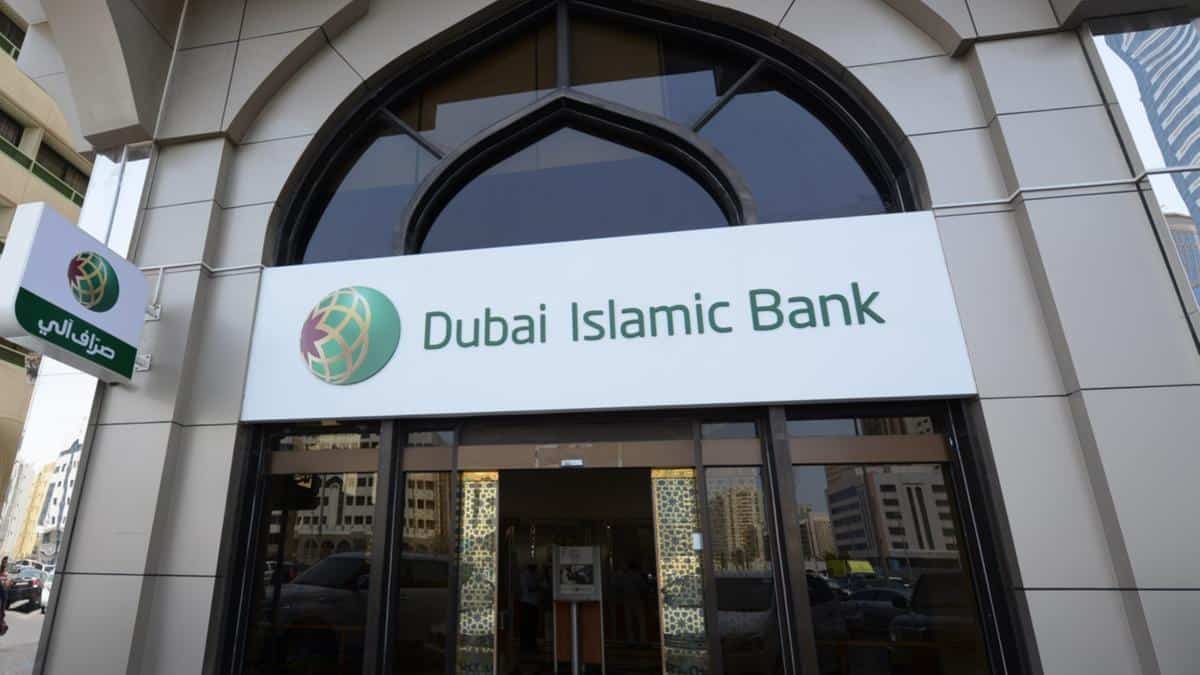

Dubai, UAE – Dubai Islamic Bank (DIB), the largest Islamic bank in the UAE and the second-largest Islamic bank in the world has announced a 30 percent cash dividend for 2022 accounting for around AED 2.2 billion ($0.59 billion).
The bank’s net profit in 2022 surged 26 percent, the highest ever in its history with a balance sheet of AED 288 billion ($78 billion), culminating in a five-year CAGR of 7 percent.
“DIB’s extraordinary progress mirrors the continued pace of growth across the UAE economy, which DIB is proud to contribute to,” Mohammed Ibrahim AI Shaibani, Director-General of the Dubai Ruler’s Court and Chairman of Dubai Islamic Bank, said, “Through its role as a leading Islamic financial institution, the Bank remains committed to transform and evolve the industry in the UAE and other major markets around the world.”
According to Moody’s Investors Service’s most recent assessment on the GCC banking industry, large GCC lenders are also attempting to consolidate their market share which could spur mergers and acquisitions.
Along with efforts to build lenders with greater size, financial institutions in the GCC will continue to merge as banks seek to increase revenue, gain cost synergies, and assist the diversification of Gulf economies away from oil. Moody’s said.