
Riyadh, Saudi Arabia–Four cities in Saudi Arabia were placed in the IMD Smart City Index for 2023.
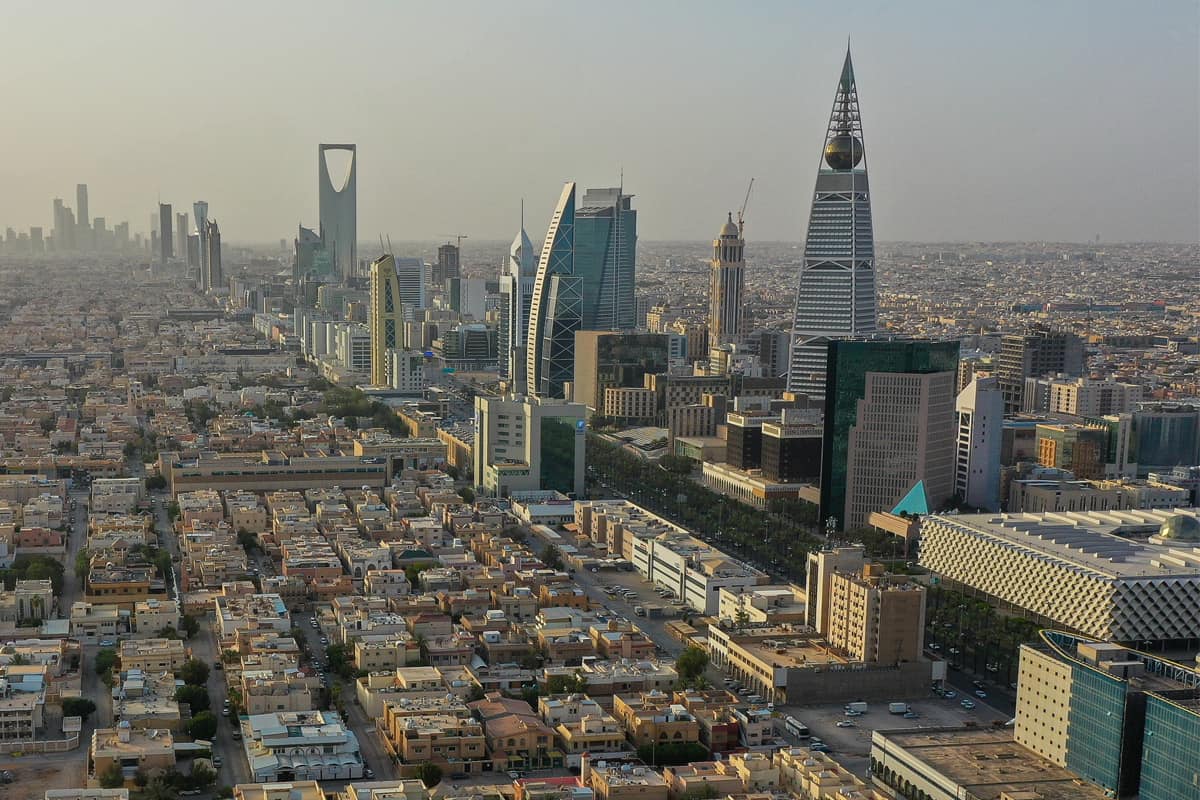
According to the index, released by the International Institute for Management Development (IMD), the Saudi capital city of Riyadh maintained its position as the third smartest Arab city.
Makkah entered in the index for the first time this year with the 4th rank while Jeddah ranked 5th and Madinah ranked 7th in the Arab world. At the global level, the city of Riyadh ranked 30th, Makkah 52nd, Jeddah 56th, and Madinah ranked 85th out of a total 141 cities in the world.
Intensive efforts from all sides, as well as the use of advanced technologies have contributed to improving the ranking of Saudi cities in various sub-indices. Among these efforts is the national platform for smart cities launched by the Saudi Data and Artificial Intelligence Authority (SDAIA).
The IMD Smart City Index focuses on how residents perceive the scope and impact of efforts to make their cities smart, the extent to which the economic and technical aspects are balanced while not neglecting the human dimensions, and the extent to which they contribute to bridging the gap between the aspirations and needs of the population and advanced trends in the way smart cities are built.
According to their scientific concept, smart cities contribute to the development of many key sectors, such as: the smart transport sector through trip planning software and reservations for public transport systems, and the smart economy based on advanced software that contributes to the development of many sectors such as logistics, delivery and joint support services.
This is in addition to building platforms interactive with the public to identify their needs and aspirations and interact with them in a transparent manner that puts them at the center of the attention of state agencies, apart from developing and facilitating the access of services to citizens.
It is noteworthy that the International Institute for Management Development is one of the most prestigious institutes of business administration in the world, and an important reference for other international organizations and institutions for competitiveness among countries.
IMD is also a basic reference for decision-makers around the world to measure the impact of national strategies in enhancing levels of well-being, achieving progress and enhancing the quality of life.