
Saudi Arabia’s next generation of mega-projects could generate up to 35 percent of their electricity demand through on-site renewable energy while cutting electricity costs by a similar margin, according to a report by Boston Consulting Group (BCG).
The report said decentralized renewable energy systems, particularly rooftop solar photovoltaics, could help the kingdom meet rising electricity demand while supporting its climate goals, including generating 50 percent of electricity from renewable sources under Vision 2030 and achieving net-zero emissions by 2060.
Titled Mega-Projects Powered by Renewables: A Practical Playbook for Saudi Arabia, the study examined the technical, financial and regulatory case for integrating renewable energy into large-scale urban developments from the planning stage.
Rooftop solar offers significant generation potential
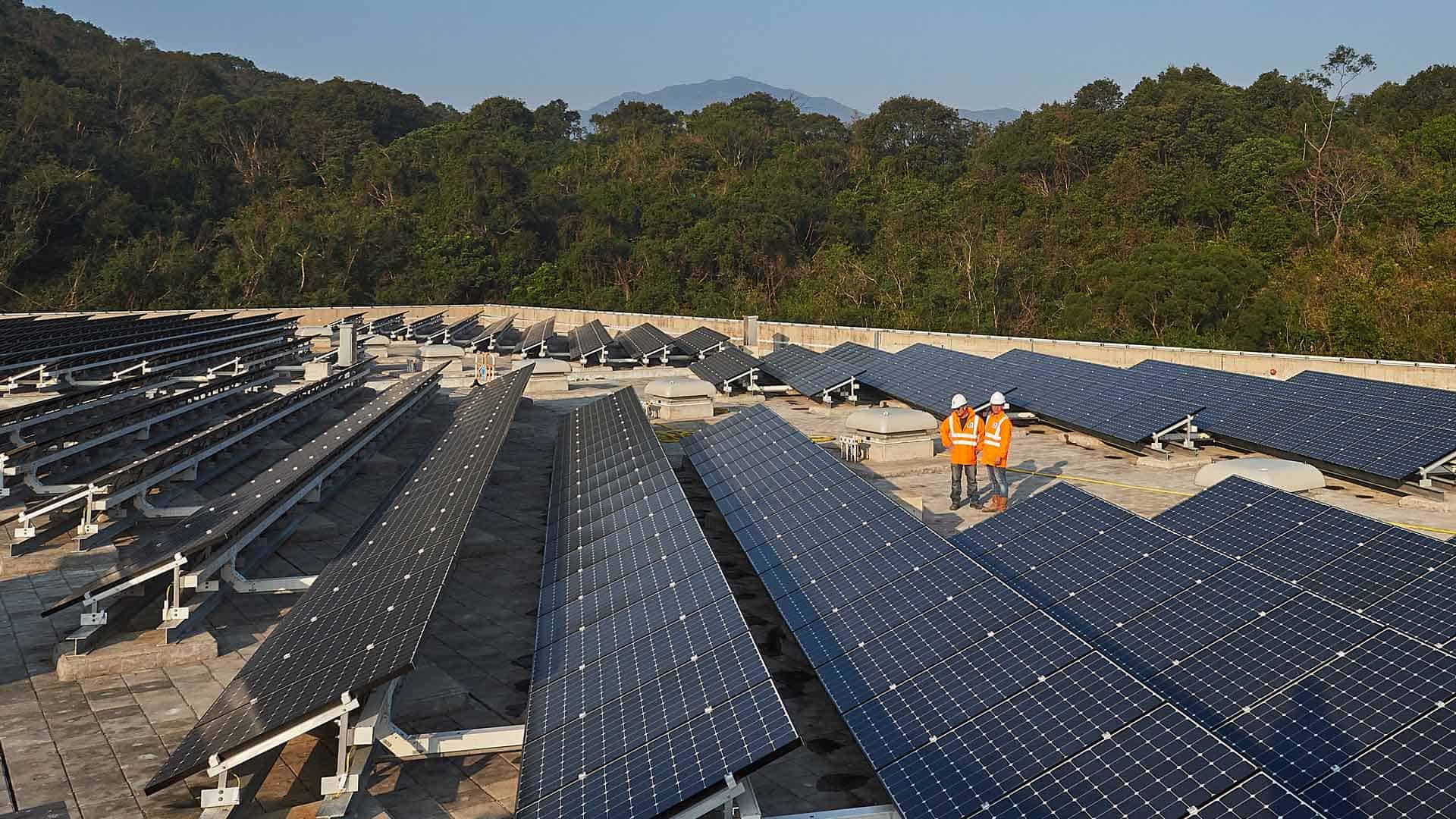
The report said solar photovoltaic systems installed on rooftops, carports and shading structures could supply up to 35 percent of electricity demand across an urban development portfolio without requiring additional land or affecting architectural design.
For individual properties, rooftop solar could meet about 50 percent of annual electricity demand for a single-family villa and about 15 percent for a mid-rise building with higher electricity consumption.
According to the study, rooftop installations alone could generate around 35 megawatt-hours annually for a single-family villa and about 190 megawatt-hours for a mid-rise building, delivering lower electricity costs and reduced carbon emissions.
Developers can lower costs while supporting climate goals
“Saudi Arabia’s new cities represent a once-in-a-generation opportunity to build sustainable urban environments from the ground up,” said Edoardo Geraci, Managing Director & Partner, BCG.

“The economics are clear: developers can meet almost a third of their electricity demand, while simultaneously advancing the Kingdom’s low-carbon urban development. Developers can choose between asset-light models such as Power Purchase Agreements, which can eliminate upfront capital investment, and own-and-operate models, which may deliver stronger lifetime returns for those with the right investment horizon.”
BCG said own-and-operate renewable energy models could generate 35-50 percent higher long-term returns than third-party financing arrangements, although they require upfront investment and ongoing operational management.
The report added that on-site electricity generation could also protect developers from energy price volatility and reduce future costs by avoiding expensive retrofits after construction.
Regulatory reforms support renewable adoption
The report said Saudi Arabia has already seen growing deployment of decentralized renewable energy, with rooftop solar projects under development at shopping malls, factories and residential communities.
King Abdullah Economic City has an estimated renewable energy capacity of 12.5 megawatt-peak, it said.
BCG also cited the Saudi Electricity Regulatory Authority’s self-consumption framework, introduced in 2022, as providing developers with clear rules for behind-the-meter electricity generation and reducing regulatory uncertainty.
Renewable infrastructure can become a city asset
“Beyond the compelling economics, renewable energy infrastructure offers something equally valuable: the opportunity to shape a distinctive identity for Saudi Arabia’s new cities,” said Peter Jameson, Managing Director & Partner, BCG.
“Solar canopies, building-integrated photovoltaics, and interactive energy features transform sustainability from a compliance requirement into a signature urban asset. These elements enhance appeal for residents, visitors, and investors who increasingly prioritize environmental responsibility in their decisions.”
The report said modern solar technologies addressed concerns that renewable energy systems require excessive space or detract from urban design by integrating into rooftops, façades and shade structures.
It also said third-party financing models had reduced barriers associated with upfront investment, while the regulatory framework had simplified permitting and grid interconnection.
Roadmap for developers
BCG recommended that developers assess renewable energy potential during the earliest stages of project planning, coordinate with regulators, utilities and technology providers, and incorporate renewable infrastructure into master plans from the outset.
It said Saudi Arabia’s high solar irradiance, declining technology costs and supportive policy environment make on-site renewable energy financially attractive as well as environmentally beneficial.
Drawing on analysis of solar generation, financing structures and regulatory frameworks, the report concluded that early planning and coordinated implementation could help developers maximize financial returns while advancing national sustainability objectives.