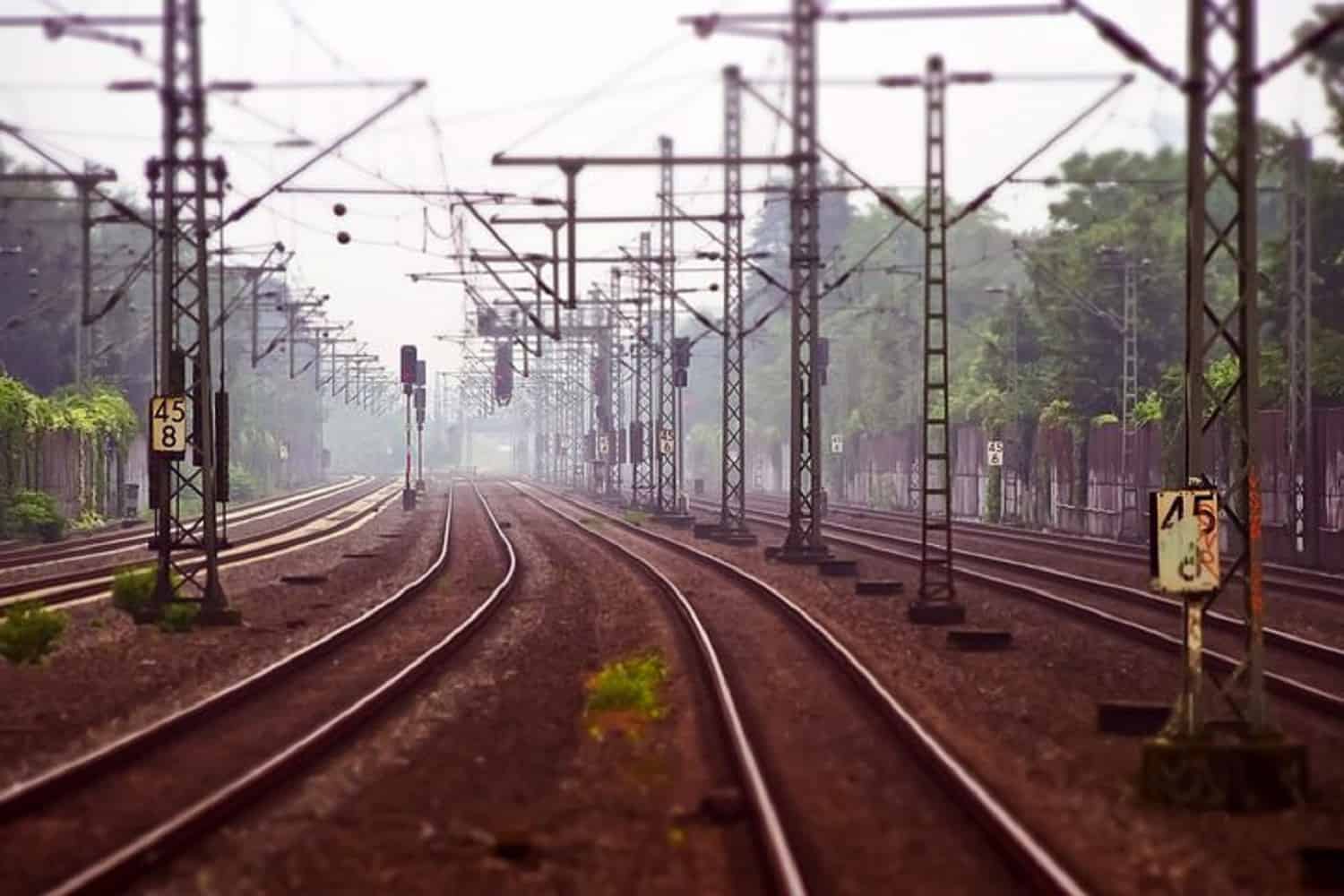

Tehran, Iran–Iraq and Iran have signed a Memorandum of Understanding (MoU) to build a railway connection between the two countries.
The MoU, signed in Basra province, outlines the precise route for the railway line, locations of passenger stations, a specific timeline for the executive operations, feasibility studies, mine clearance, and the construction of railway infrastructure.
This railway project, connecting Iran’s southwestern Shalamcheh town to Basra city in Iraq, has been a long-term pursuit of the governments of the two countries.
Although two MOUs were signed in 2011 and 2013, the project was halted for 10 years due to legal and economic problems.
The new MoU comes after the current governments of the two countries showed a renewed interest in the project, which is considered to be a strategic event in the West Asia region.
The new railway is expected to take 18 months to complete. Introducing a rail link between the two countries is forecast to provide a major stimulus for both passenger and freight traffic between Iran and Iraq, including religious tourism.
Connecting Shalamcheh and Basra will also complete a missing link in the region, potentially connecting Iran’s major rail network with Syria and Jordan via Iraq.