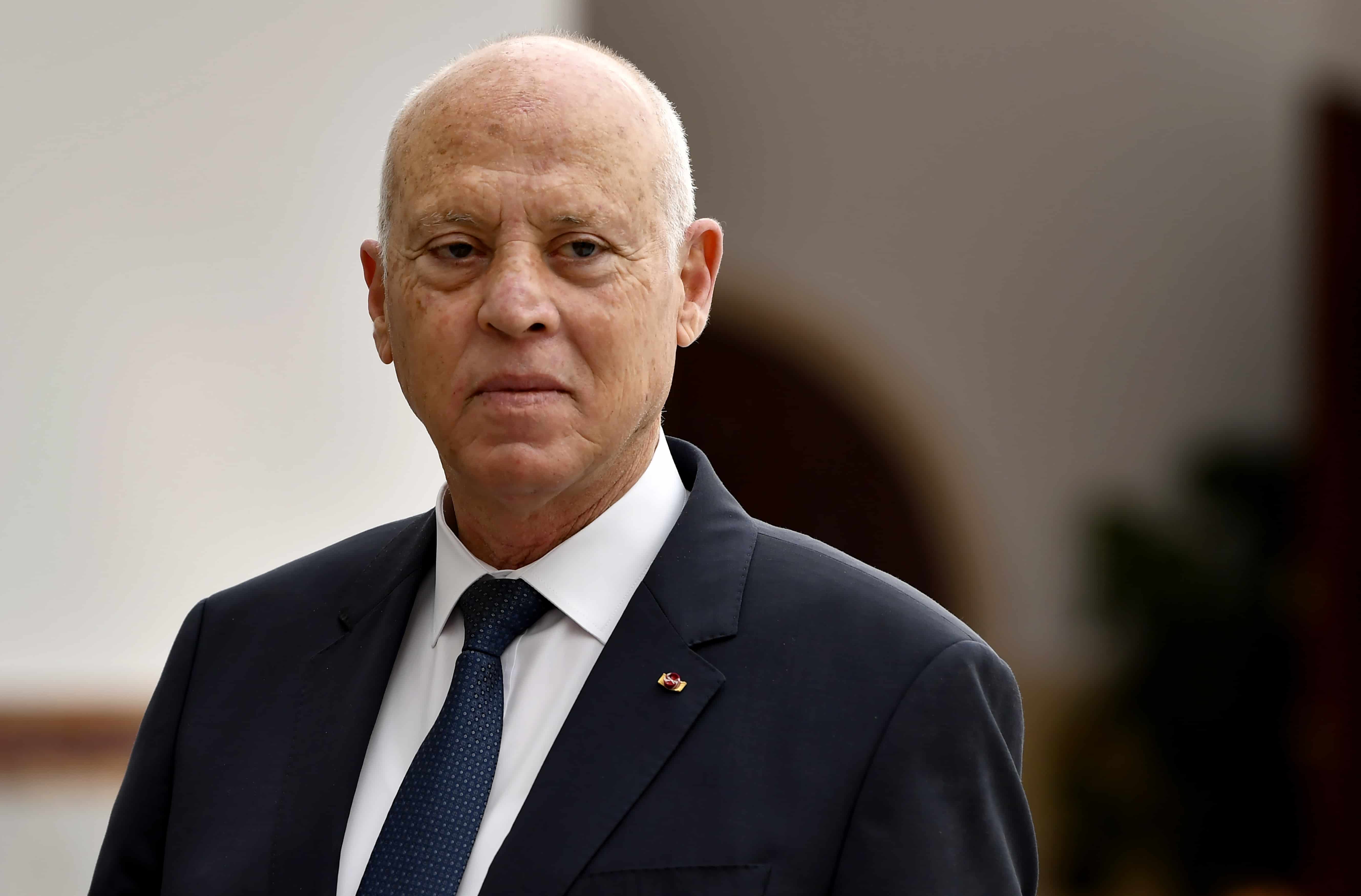

Tunis, Tunisia – Tunisia’s President Kais Saied on Thursday proposed taxing the North African country’s wealthiest citizens as a way of avoiding what he has called the “diktats” of the International Monetary Fund.
Despite reaching an agreement in principle last October on a bailout package worth nearly $2 billion, talks with the IMF have stalled for months over demands to restructure public bodies and lift subsidies on basic goods.
Saied said during a meeting with Prime Minister Najla Bouden that the current subsidy system benefits all Tunisians, including the wealthy, a presidency statement said.
He floated the idea of “taking surplus money from the rich to give to the poor”, citing a quote attributed to Omar Ibn Al-Khattab, one of Islam’s first caliphs.
“Instead of lifting subsidies in the name of rationalisation, it would be possible to introduce additional taxes on those who benefit from them without needing them,” Saied added.
He said he believed such a mechanism would mean the country would not have to bow down to “foreign diktats”.
Saied did not say how such a plan might operate as employees’ taxes are deducted at source and many Tunisians in the private sector do not declare their full income.
The IMF has called for legislation to restructure more than 100 state-owned firms, which hold monopolies over many parts of the economy and in many cases are heavily indebted.
The country is going through a financial crisis marked by chronic shortages of basic food products.
Political tensions are also running high since Saied launched a sweeping power grab in July 2021, rocking the democracy in the birthplace of the Arab Spring revolts over 10 years previously.