
DUBAI – Air mobility is a crucial method for transporting people, goods, and various shipments, renowned for its safe and efficient approaches, said Duncan Walker, CEO of Skyports, during a session titled “The Future of Air Mobility” at the third edition of the Dubai Congress for Self-Driving Transport.
“Air mobility relies on advanced technologies, grounded in systematic plans that have undergone extensive scientific testing by companies. These tests have identified several factors and challenges that must be addressed to ensure safe air mobility for all,” he added.
According to Walker, the primary challenges in air mobility are posed by weather conditions, such as winds and sandstorms. Leveraging data and insights from past experiences, strategies have been developed to improve and adapt air mobility to achieve various goals. These encompass delivering top operational efficiency and providing passengers with benefits like record transit times to their destinations, all while maintaining safety.
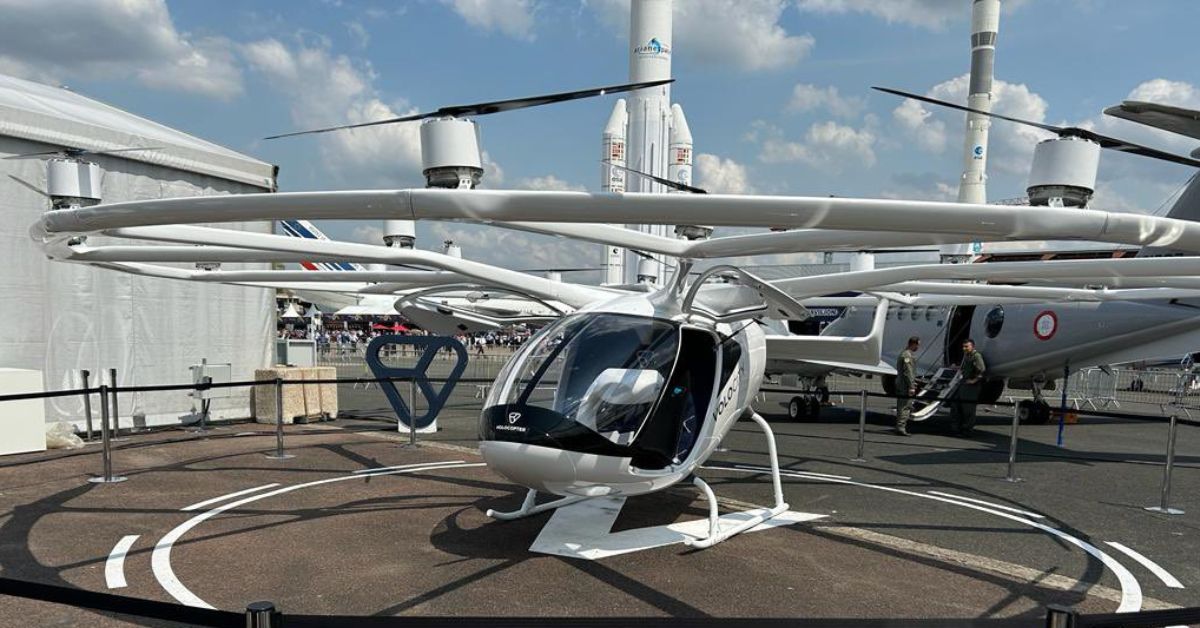
Walker praised Dubai as a standout global model in air travel and sports. He attributed Dubai’s esteemed position to its modern infrastructure, world-class airports, and the unwavering support from the Dubai Government. “A notable project on the horizon is the Aerial Taxi, slated to begin operations in 2026. This innovative venture will cover a maximum distance of 241 km, cruising at speeds of up to 300 km per hour,” he remarked.
Walker outlined the key factors driving the success of the Aerial Taxi in Dubai. He mentioned the construction of state-of-the-art vertiports at prime locations throughout the emirate, including the Dubai International Airport, Palm Jumeirah, Dubai Marina, and Downtown.
Other contributing factors are government backing and coordination, stringent regulatory measures, and a high demand for the service. The introduction of the Aerial Taxi is expected to cut the travel time from Dubai International Airport to Palm Jumeirah from 46 minutes down to just 6 minutes, he said.
Walker emphasized that the Aerial Taxi project, along with other air initiatives in Dubai, is set to propel the emirate to the forefront of global cities advancing air mobility.