
DUBAI — The private sector plays a crucial role in addressing the capital shortage and limitations of human capacity needed to build mainstream resilience against the challenges of climate change.
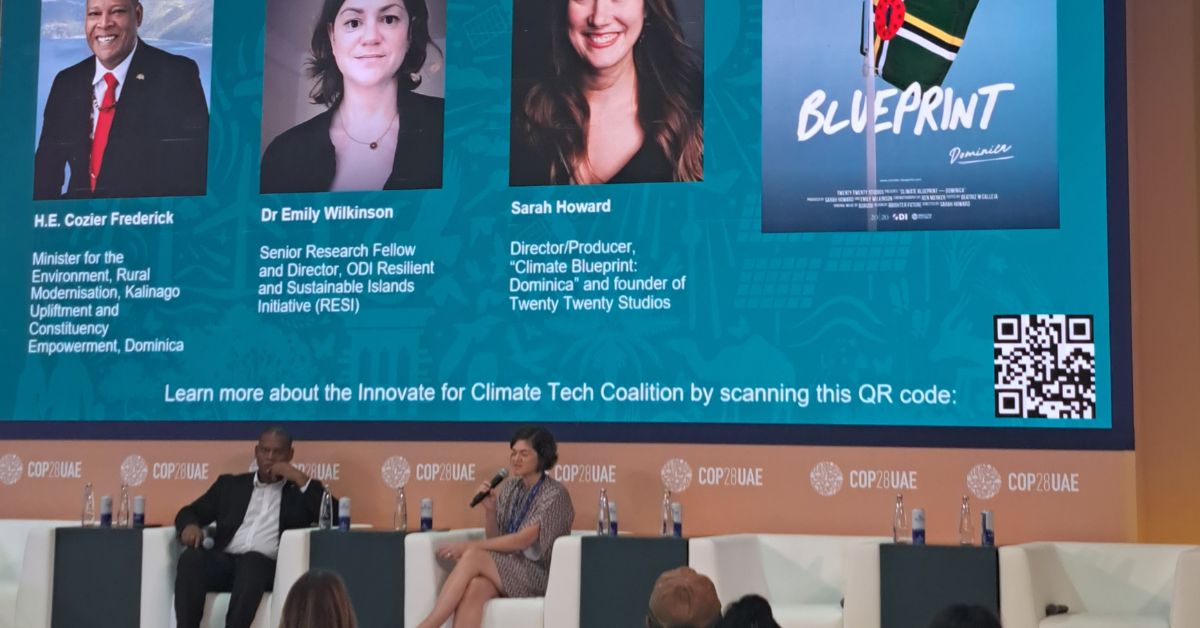
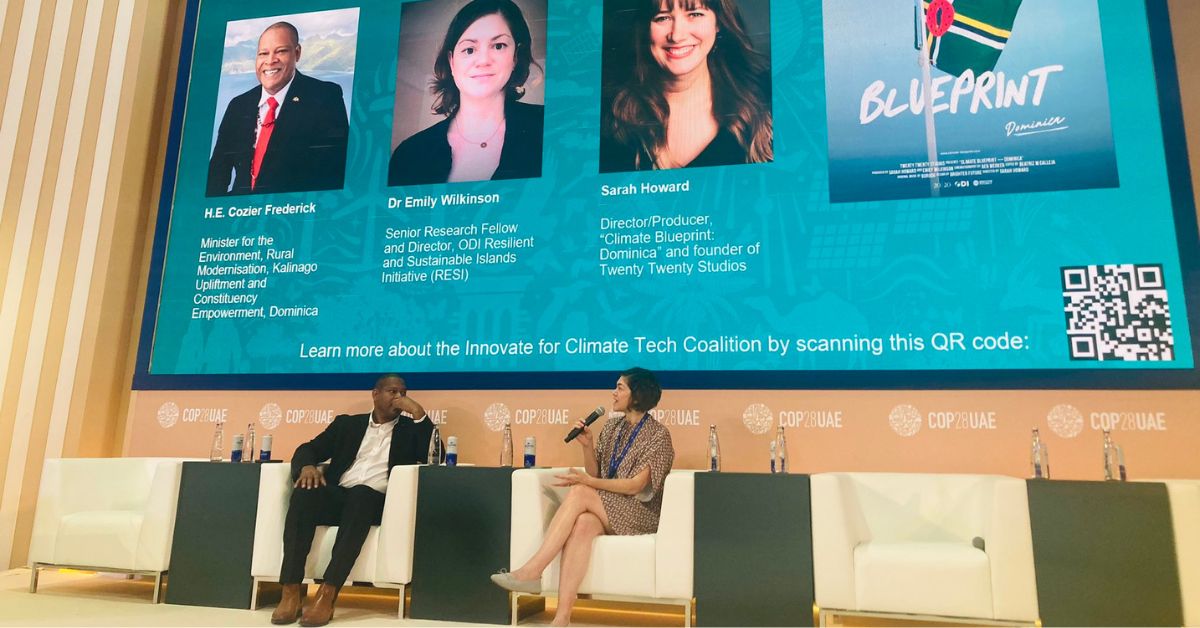
Cozier Frederick, Minister of the Environment, Rural Modernisation, Kalinago Upliftment, and Constituency Empowerment in Dominica, participating at The United Nations Climate Change Conference (COP28) in Dubai this week, argues that limitations in both financial resources and human capacity for building resilience can be overcome with private sector support.
Speaking to TRENDS on the sidelines of COP28, after addressing a session titled “Island Innovation: Dominica”s Quest to Be the First Climate-Resilient Nation,” Frederick emphasized the importance of public-private partnerships. “Incorporating the private sector is crucial because it can raise funds and introduce innovative models developed within the space,” he stated, underscoring the need for more partners in the climate change conversation.
Frederick believes that a collaborative effort actively engaging the private sector and communities is pivotal in building mainstream resilience. He advocates for a bottom-up approach, where individuals feel they are contributing to a community and a collective movement, and play a role in rebuilding their lives.
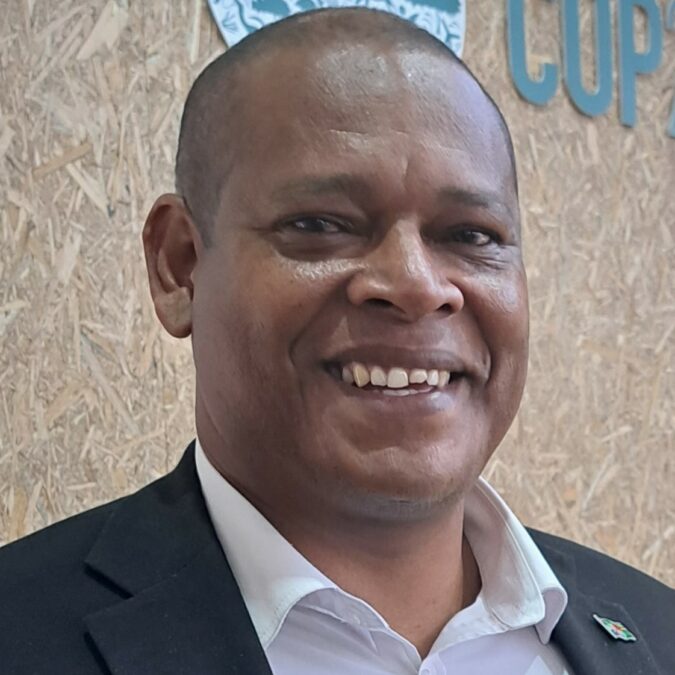
When asked to evaluate the pledges and commitments made in the initial days of COP28 and their real impact on vulnerable communities, Frederick expressed optimism. “I am quite confident about the pledges at COP28. I know there is a will among the people, and they are excited to participate for themselves,” he said.
In the same context, Frederick took the opportunity to commend the establishment of the Loss and Damage Fund, designed to compensate vulnerable countries facing the impacts of climate change.
He stressed that the Loss and Damage Fund will be a crucial support for many years, particularly for the small islands of the Caribbean, which are at the forefront of climate impacts. Access to resources for rebuilding the country and its economy, he noted, is critical.
Frederick, the founder of the Salybia Heritage and Restoration Project (SHARP Inc) in 2015, is a researcher and educator. He works closely with numerous youth organizations, civil groups, the Atkinson Village Council, and the Kalinago Council.