
-
Gasoline price rise likely to ease the shortage of fuel
-
Lebanon is experiencing one of the worst economic crises in history
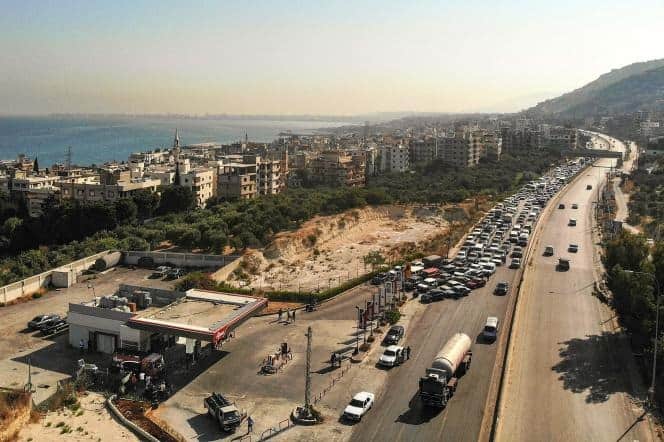
Faced with an acute shortage of gasoline, Lebanon’s caretaker Prime Minister Hassan Diab approved a proposal to finance fuel imports at a rate of 3,900 Lebanese pounds to the US dollar on Friday, instead of the previous 1,500 pound rate. The decision is likely to increase the price of gasoline sharply, but is expected to temporarily ease the shortage crisis in the country.
The price of a gas canister is expected to jump from 44,000 pounds to more than 60,000 pounds. Bassam Tlais, head of the Land Transport Union, said: “We are at the crater of the fuel volcano. What is happening is a gradual lifting of subsidies that will negatively affect drivers and the transport sector.”
Diab’s media office said: “We are at the gates of the summer season, which will allow an increase in the value of hard currencies that will come to Lebanon with the arrival of expatriates and tourists, with the consequent positive results.”
It also announced in a statement that Diab “gave the exceptional approval of the finance minister’s proposal to allow the financing of the import of fuel based on the dollar exchange rate of 3,900 pounds instead of 1,500 pounds, based on Article 91 of the Monetary and Credit Law.”
The prime minister’s office said that signing the borrowing request from the Banque Du Liban (BDL) was necessary to cover the fuel subsidy. It added it “accompanies the approval of the financing card in the joint parliamentary committees in preparation for its approval in a public parliamentary session next week … to secure fuel for citizens during the next three months.”
The dollar exchange rate, meanwhile, crossed the threshold of 16,000 pounds to the dollar on the black market for the first time in Lebanon, trading between 16,300-16,350 pounds to the dollar on Friday.