
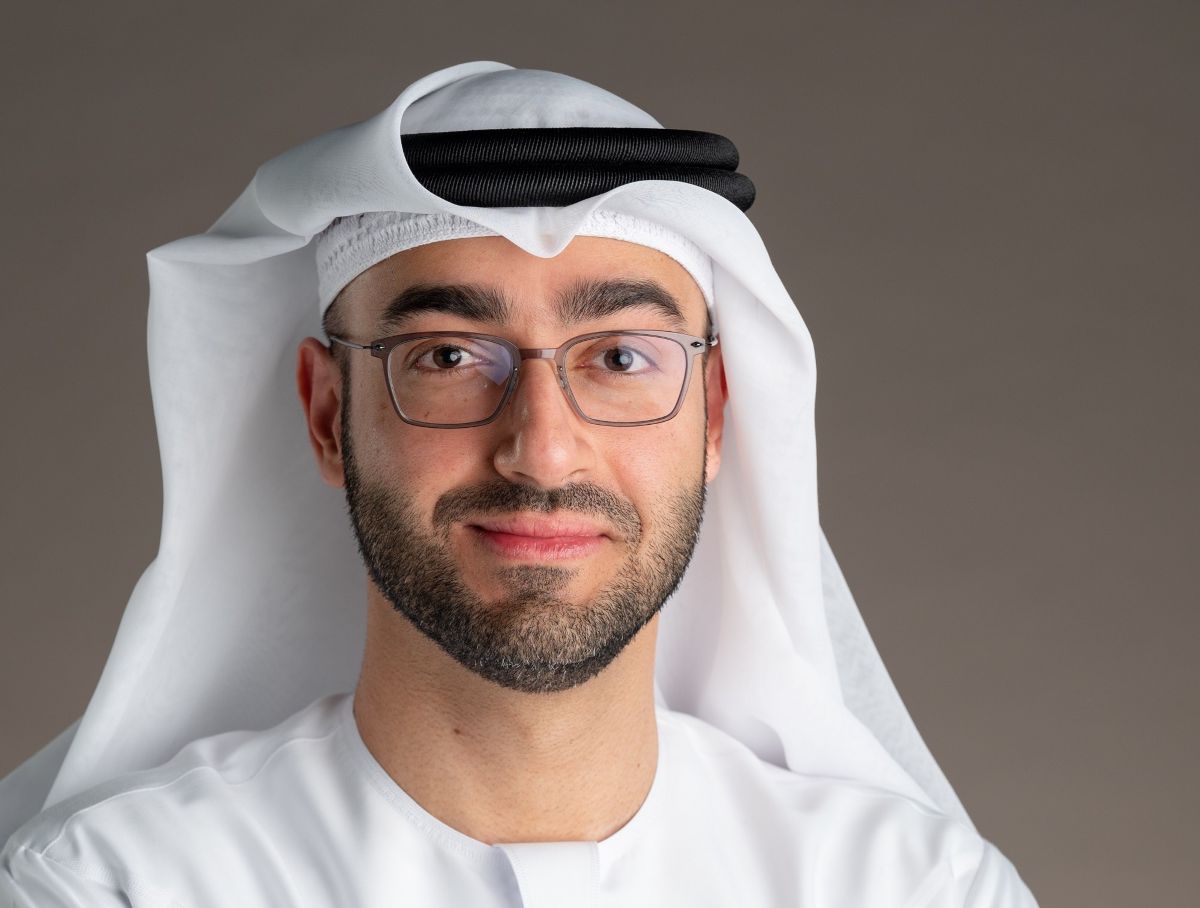


Dubai, UAE — Dubai’s innovation ecosystem is entering a new phase, argues Amer Abdulraoof, Head of Dubai Future Solutions – Prototypes for Humanity, with university-led prototypes now being scaled through government and industry partnerships.
“This is a place where ambitious ideas are tested, refined and scaled in public view,” he tells TRENDS, adding that the programme gives students year-round support until solutions become “validated and fundable.”
With submissions coming in from top universities around the world, how does Dubai turn this global talent into innovations that actually make a difference here, and beyond?
At the centre of Dubai Future Solutions – Prototypes for Humanity is our partnerships with industry and ventures. We offer so much more than a 4-day exhibition. It is an opportunity for students and their prototypes to begin their journey by meeting with leading government, industry, and investors who can help fund further development of innovations.
Over the past 12 months, our programme has expanded significantly. We have also received unprecedented support from Dubai and regional industry professionals and investors from a wide range of sectors, including healthcare, energy, smart infrastructure and applied AI. New partners for 2025 include UAE-based entities such as Dubai Health and SEE Institute at The Sustainable City, Dubai.
We offer year-round support to the students, and we stay with the team, brokering partnerships until the technology is validated and fundable. Plus, five of the top 100 projects at the exhibition will be awarded a USD 100,000 prize pool to further advance their research. No other place in the world offers the same energy and recognition for science-based innovation and a connection to real outcomes for real-world challenges.
What makes a student’s idea ready to move from concept to impact in the knowledge economy?
We have a rigorous submission process. Only the innovations we believe have the potential to work at scale do we invite to participate in the annual exhibition. We evaluate each submission against three main criteria and, through this methodology, assess its potential global impact.
We consider whether the solution addresses a significant social or environmental challenge and demonstrates clear positive impact. The level of academic research undertaken is an important component. We seek projects that demonstrate a deep understanding of the challenges being addressed and students’ ability to promote innovative solutions through robust, structured research.
Finally, we look at the application of technology. Innovative and effective use of technology is key, whether that’s incorporating cutting-edge advancements or using simple yet efficient solutions.
Why is democratizing technology so crucial for shaping the future of innovation?
Having a great idea is only the beginning. The associated costs of developing projects to be market-ready can be a significant barrier to entry for many innovators.
We are looking for solutions that can tackle global issues that humanity is facing today in key areas such as healthcare, climate devastation and agriculture, and they need to be accessible and affordable so communities everywhere can benefit. We believe that all countries should have access to vital technology that will help solve real-life problems.
Dubai wants to be a hub for creativity and technology. How do initiatives like Prototypes for Humanity help build a knowledge-driven economy while tackling real global challenges?
Dubai is the right place to connect global energy and deliver real outcomes. Dubai Future Solutions – Prototypes for Humanity brings together all the elements that can drive a knowledge-driven economy forward: student-led innovations, government and industry partners, venture experts, and funding opportunities.
Together, these stakeholders work to bring innovations out of a university setting and into the real world. It is this crucial step between academia and industry that distinguishes the initiative. Without this link, many solutions that have the potential to solve global issues would remain within the academic community.
The programme sits alongside the Dubai Future Foundation’s flagship event, the Dubai Future Forum – the world’s largest gathering of futurists – and is backed by partners who can switch pilots on, which compresses the time from concept to validation.
Dubai has moved from importing innovation to exporting it, and its initiatives such as this – Prototypes for Humanity – reinforce the emirate’s position as a leading hub for creativity and technology. This is a place where ambitious ideas are tested, refined and scaled in public view. Our role is to bring the best of global academia into that environment, then bridge directly to decision-makers, regulators and first customers.