
The GCC region is riding a powerful wave of digital transformation, driven by ambitious national strategies and cutting-edge technologies. Among these technologies, the Internet of Things (IoT) stands out as a pivotal force in reshaping industries and societies alike.
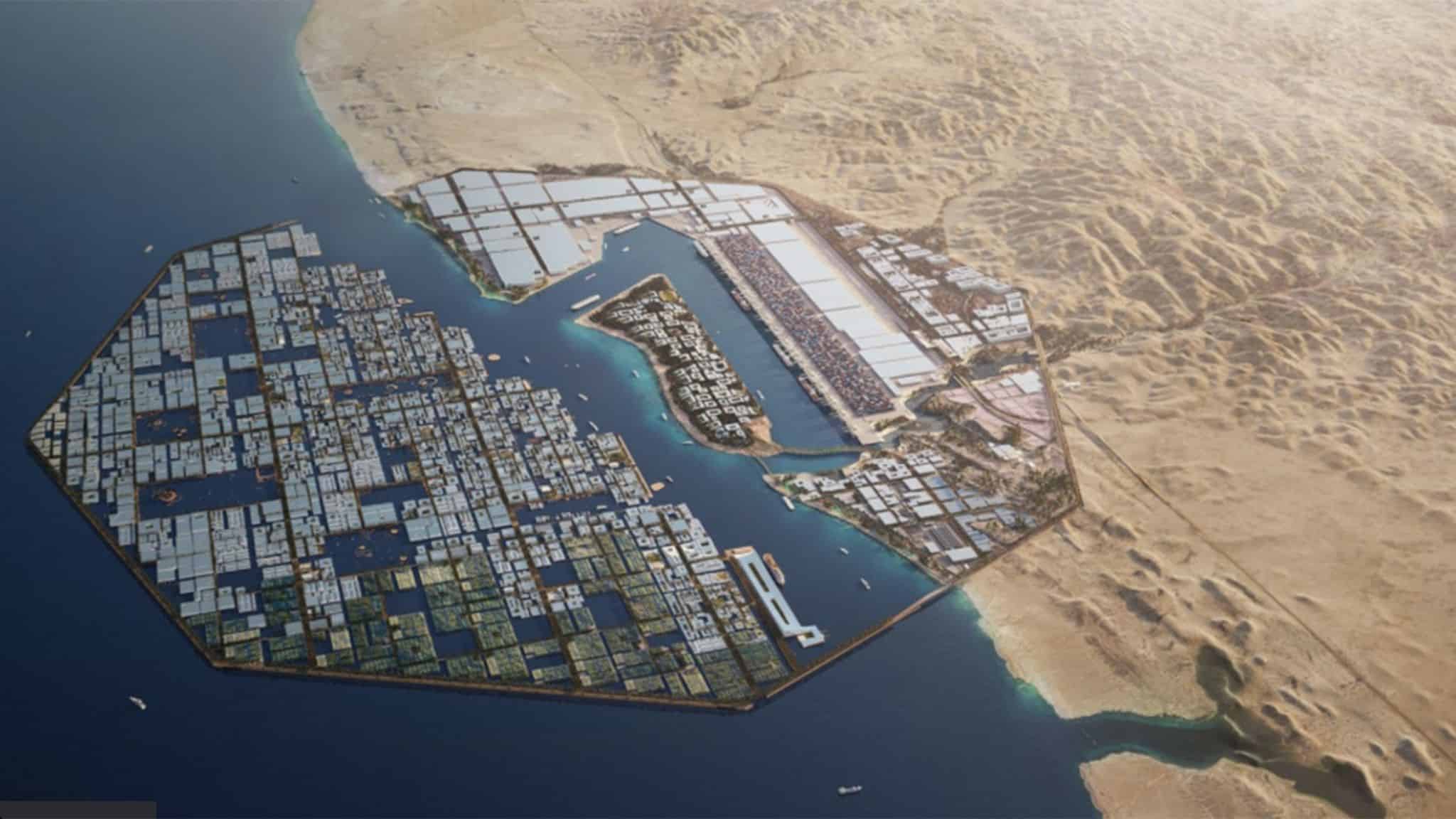
From connected homes to self-driving cars, IoT is reshaping urban life, with flagship projects such as NEOM in Saudi Arabia and Smart Dubai showcasing the transformative potential of technology.
These initiatives demonstrate how IoT integrates seamlessly with broader digital transformation strategies, serving as the backbone of smart city developments across the region.
However, the success of such ambitious projects is dependent on a strong telecom and data infrastructure. These components serve as invisible heroes, providing connectivity and computational power to IoT ecosystems.
IoT adoption in the GCC
IoT adoption in the GCC is accelerating, with projections indicating over 1 billion IoT connections by 2030, according to Oliver Wayman.
IoT integration and internet penetration, especially with the deployment of 5G in the GCC region, have been successful in supporting new types of service delivery across sectors ranging from manufacturing, logistics and transportation to energy, etc.
This growth is fueled by flagship projects like Saudi Arabia’s NEOM and the UAE’s smart city initiatives.
IoT applications are transforming critical sectors such as transportation, where connected vehicles improve traffic management, utilities where smart grids enhance energy efficiency, and healthcare, where remote monitoring optimizes patient care.
For instance, to manage the flow of massive stadium crowds during the FIFA World Cup, Qatar leveraged “digital twins,” aggregating data from 40,000 IoT devices.
In a similar vein, Dubai’s award-winning Enterprise Command and Control Center uses a combination of AI, digital camera, and thermal imaging technologies to oversee a matrix of 11,000 surveillance cameras, 5,000 kilometers of road, 10,000 taxis, and more.
Cloud and data center expansion
According to Fitch Solutions, GCC’s cloud market is another cornerstone of its digital transformation, projected to exceed $13 billion by 2025. Investments in this sector are particularly notable in Saudi Arabia, where the cloud market alone is expected to surpass $6 billion by 2025.
Major technology players such as AWS, Google Cloud, and Alibaba Cloud are actively expanding their presence in the region. For instance, AWS launched its first data centers in the UAE, while Saudi Aramco has partnered with Google Cloud to enhance regional cloud services. Similarly, Alibaba Cloud, in partnership with STC, has entered the Saudi market, marking another significant milestone in the region’s cloud ecosystem.
Data centers also play an essential role in supporting AI and IoT applications. For example, Qatar’s Ooredoo is investing QR2 billion to expand its data center capacity, aiming to build 120MW of capacity over the next five years to meet the increasing demands of AI-driven applications.
“Digital ambitions need the backbone of a strong cloud infrastructure. Nationwide digital transformations, widespread 5G adoption, and increased security demands all require the rapid maturity of cloud infrastructure in the region, which is definitely underway,” says Jad Haddad, Global Head of Oliver Wyman Quotient.
These developments not only strengthen the region’s digital backbone but also position the GCC as a global hub for technology and innovation.
Yet, none of these advancements would be possible without the foundational support of the telecom industry.
The Telecom Industry: Market Growth and Innovation
The telecom industry is the lifeline of the GCC’s digital transformation. With the market size projected to grow from $76 billion in 2024 to $128 billion by 2029, according to Mordor Intelligence, telecom operators are investing heavily in advanced technologies like 5G and AI.
The sector is experiencing a transformation due to enhanced internet infrastructure, government initiatives, and the proliferation of IoT applications.
Key players like Saudi Telecom Company (STC), e& Etisalat, and Oman Telecommunications Company (Omantel) are at the forefront, focusing on expanding 5G networks and improving digital services.
The market is also witnessing strategic partnerships and investments aimed at enhancing network capacity and flexibility, such as the collaboration between Ericsson and Etihad Etisalat (Mobily) in Saudi Arabia. These developments are supported by government policies promoting fiber-optic networks and digital transformation, particularly in Saudi Arabia’s Vision 2030.
These innovations and partnerships are enhancing customer experiences, automating operations, and unlocking new opportunities for businesses and consumers alike.
For example, eSIM technology is gaining traction in the region, facilitating seamless IoT device integration and driving digital transformation across industries.
Addressing challenges
Despite these advancements, challenges persist. Issues like data governance, privacy, and infrastructure scalability require urgent attention. The digital divide and the gap between those with and without access to digital services remains a significant concern in some parts of the GCC.
The inability to connect at the speeds necessary to utilize today’s digital tools can derail any attempt to improve access to services like fintech, edtech, and health-tech, particularly outside of major cities where network speeds can vary greatly.
Governments are taking proactive measures to address these issues, ensuring equitable access to digital advancements and fostering inclusivity. For instance, Saudi Arabia’s investment of $32.9 billion in ICT in 2021 underscores its commitment to bridging these gaps and driving comprehensive digital growth.
Telecom operators, as the architects of the region’s digital infrastructure, have an opportunity to bridge this divide and accelerate progress. By evolving from traditional telcos to techno’s, they can offer a broader range of services beyond connectivity, empowering individuals and businesses to thrive in the digital age. This transformation requires a shift in mindset, from a focus on infrastructure alone to a broader vision of enabling digital inclusion and a more connected and empowered society.
The connected future
The GCC’s journey toward a digitally connected future showcases the transformative power of IoT, cloud, and telecom. These technologies are not only driving economic growth but also redefining societal norms by enabling seamless connectivity and innovation.
As the region continues to invest in its digital ecosystem, it sets a global benchmark for how technology can be harnessed to create smarter, more sustainable, and more inclusive societies. The GCC’s example underscores a key lesson: the future is connected, and the possibilities are limitless.