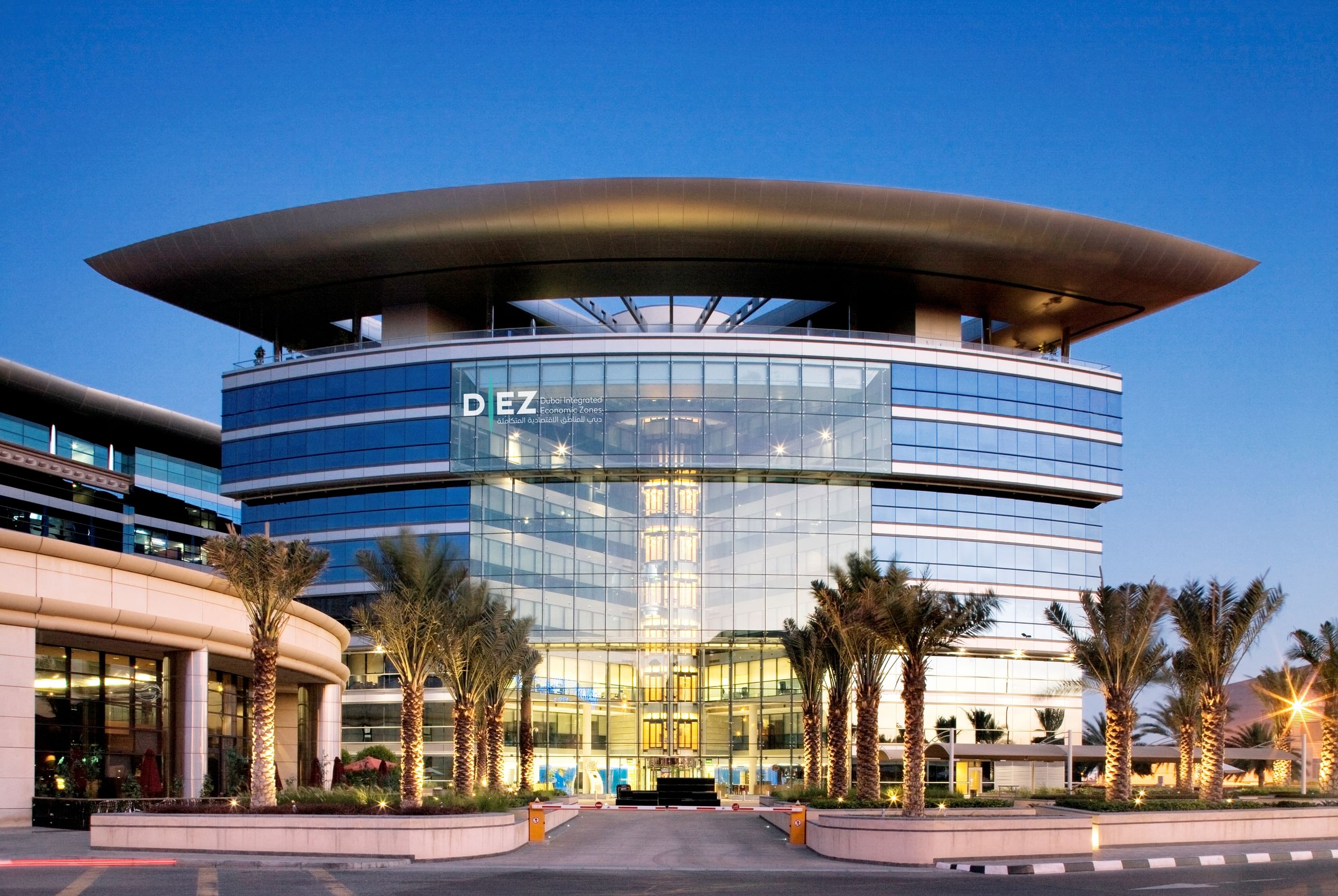

Dubai, UAE — Dubai’s integrated economic zones recorded their strongest-ever trade performance in 2025, with total trade rising 46% year-on-year to AED491 billion, underscoring the emirate’s growing role as a global centre for non-oil commerce.
The Dubai Integrated Economic Zones Authority (DIEZ) said the result marked its fifth consecutive year of growth, with total trade value now four times higher than in 2020. The authority’s contribution to Dubai’s non-oil trade increased to 16% as the emirate’s overall external trade surpassed AED3 trillion.
The growth was accompanied by a sharp increase in physical trade activity. Total trade volumes rose 50% to 667,800 tonnes in 2025, indicating that expansion was driven by higher cargo movement and commercial activity rather than inflation or commodity price fluctuations.
Dubai Crown Prince Sheikh Hamdan bin Mohammed bin Rashid Al Maktoum said the performance reflected the strength of Dubai’s economic model and its ability to convert global shifts into new growth opportunities. He said the results supported the goals of the Dubai Economic Agenda D33 and reinforced the emirate’s position as a global hub connecting markets, investment and trade.
Technology sector drives growth
Machinery, electrical equipment and electronics remained the largest component of DIEZ trade activity, accounting for more than 70% of total trade and posting 42% growth during the year.
The precious stones, precious metals and pearls sector recorded even faster growth, rising 71% and contributing around 26% of total trade. Together, the two sectors represented approximately 96% of all trade conducted through the authority’s economic zones.
Sheikh Ahmed bin Saeed Al Maktoum, Chairman of DIEZ, said the results demonstrated the resilience of Dubai’s economic model and the authority’s role in strengthening the emirate’s position as a global centre for advanced trade.
China remains top partner
China retained its position as DIEZ’s largest trading partner, accounting for 28.7% of total trade. Saudi Arabia emerged as the second-largest partner, reflecting accelerating regional commercial ties, while India ranked third with an 8% share.
DIEZ Executive Chairman Mohammed Al Zarooni said the results reflected genuine growth in trade flows and supply-chain activity, supported by partner diversification, expanding re-export activity and the development of high-value technology sectors.
The authority said the figures highlighted its growing importance within Dubai’s non-oil economy and its ability to sustain trade growth amid a changing global commercial environment.