
Dubai, UAE — The United States carried out what it described as “self-defence” strikes against Iranian military infrastructure near the Strait of Hormuz after a US Army Apache helicopter was shot down off the coast of Oman. US Central Command said the operation targeted Iranian air-defence systems, surveillance radars and ground-control stations using Air Force and Navy aircraft.
President Donald Trump defended the action as a “very powerful” response to what Washington called Iranian aggression, saying the helicopter’s downing required a firm military reaction, media reports said.
Trump raises prospect of diplomacy
Even as military operations intensified, Trump suggested a broader Middle East peace arrangement could be reached within “two or three days”, indicating that diplomatic efforts remain active despite the latest confrontation.
The remarks came amid growing international concern that renewed hostilities between Washington and Tehran could derail fragile ceasefire understandings and destabilise key shipping lanes.
Iran vows stronger response
Iran condemned the strikes and warned that further attacks would be met with a tougher response. Foreign Minister Abbas Araghchi said Iran’s armed forces would leave “no attack or threat unanswered” and urged foreign militaries to leave the region.
Iranian media reported explosions near Bandar Abbas and Qeshm Island after the US operation, while the Revolutionary Guards said the strikes damaged civilian infrastructure, including a telecommunications tower and water facilities in Sirik.
Regional fallout widens
The Revolutionary Guards said they launched missiles at the US al-Azraq air base in Jordan and carried out drone attacks against the US Fifth Fleet in Bahrain in retaliation for the strikes.
Kuwait also reported activating air-defence systems after Iran said it had targeted sites in the Gulf as part of its response.
Lebanon violence continues
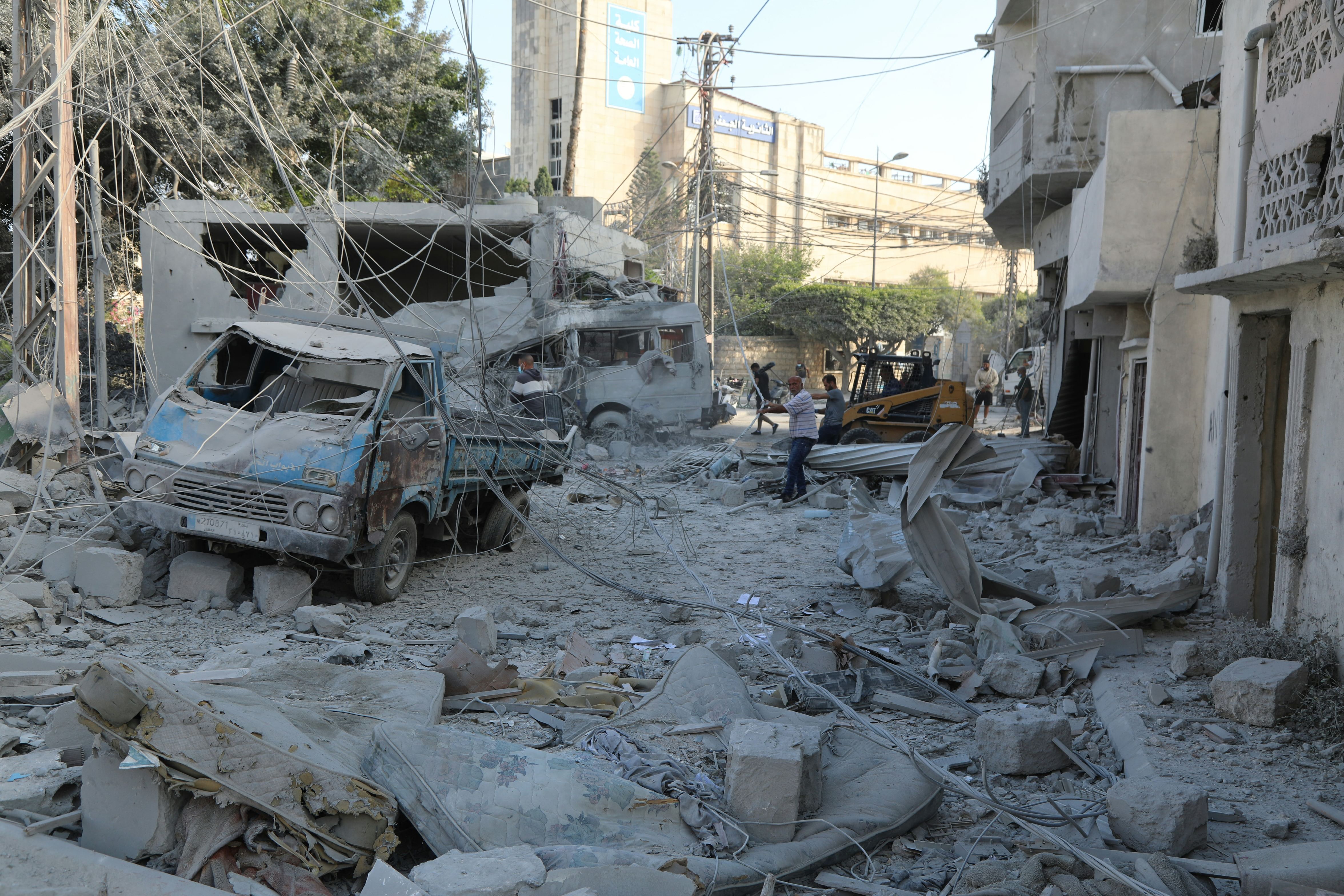
The regional tensions coincided with continued Israeli military operations in Lebanon. Israeli forces issued evacuation warnings for parts of Tyre, prompting residents to flee. Lebanese authorities said Israeli strikes near the southern city killed at least three people, while the overall death toll from Israeli attacks since March rose to 3,637, with more than 11,000 wounded.