
Dubai, UAE — Iranian oil tankers have crossed a U.S. naval blockade zone in the Gulf for the first time in two months, according to shipping monitors, offering an early indication that energy flows may begin normalising as Washington and Tehran move toward formally signing a deal to end their war.
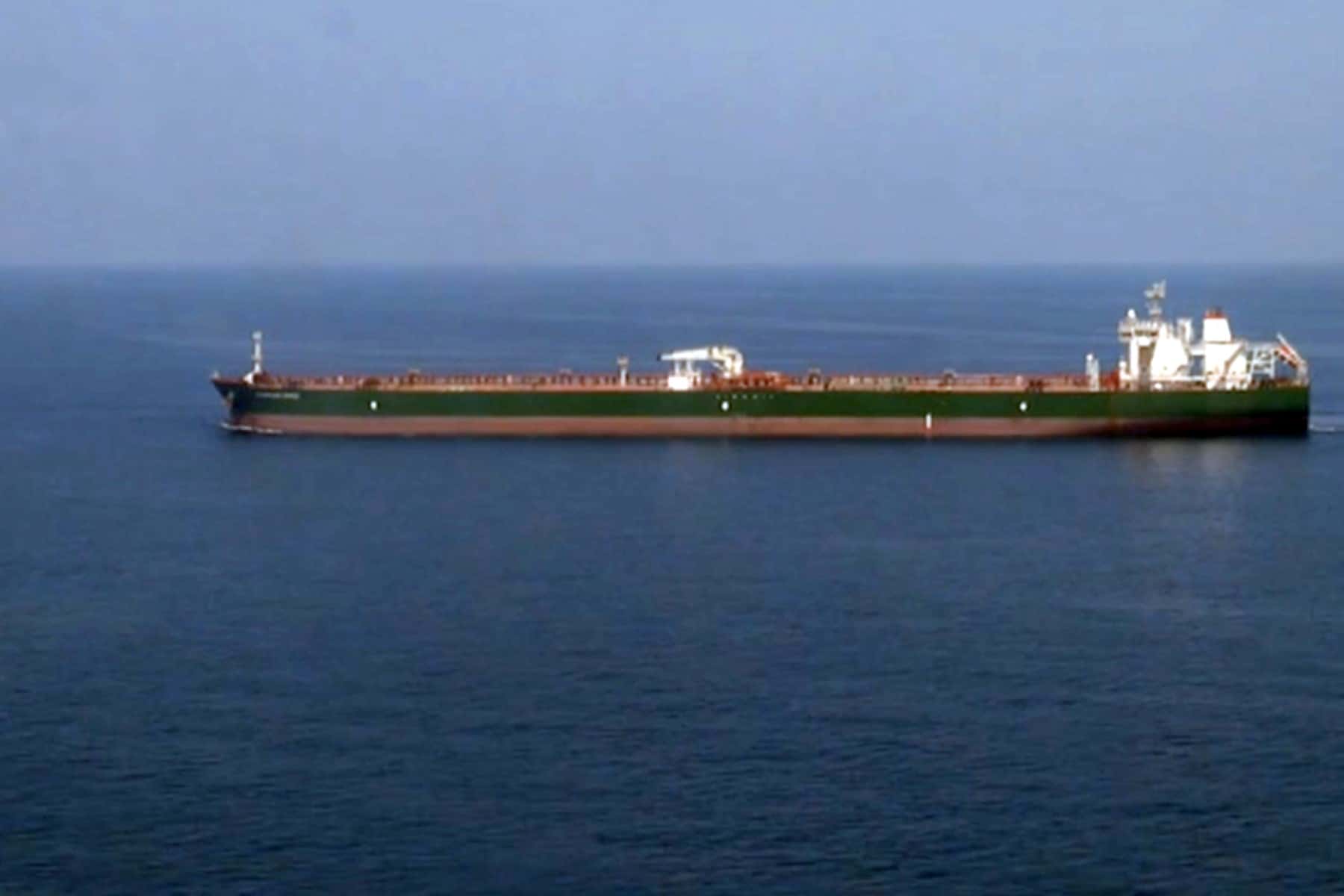
TankerTrackers.com said at least two National Iranian Tanker Company supertankers, DIONA and HERO2, had exited the U.S. Navy blockade perimeter carrying a combined 3.8 million barrels of crude oil.
The monitoring service later reported that a third Iranian tanker had also crossed the blockade line carrying another one million barrels of crude.
The departures came days before a planned signing ceremony in Switzerland for a memorandum of understanding announced by the United States and Iran over the weekend.
Swiss authorities have said the ceremony is scheduled for Friday at the Bürgenstock resort near Lucerne, where negotiators are expected to formally endorse the framework agreement before broader talks begin on Iran’s nuclear programme and other regional issues.
The tanker movements follow a sharp fall in oil prices earlier this week after U.S. President Donald Trump announced that the Strait of Hormuz would reopen under the agreement.
Brent crude fell below $80 a barrel for the first time since March as traders bet that the reopening of the strategic waterway would restore normal Gulf energy exports and reduce supply risks.
However, implementation of the agreement remains uncertain.
Iranian officials have said the accord will only take effect after Friday’s signing, while Washington has indicated portions of the agreement could be released earlier.
Disagreements have also emerged over the future operation of the Strait of Hormuz.
U.S. officials have described the arrangement as guaranteeing toll-free passage for international shipping, while Iranian officials have said Tehran could charge maritime service fees for vessels transiting the waterway.
The issue has become a central point of attention for global energy markets because roughly one-fifth of the world’s seaborne oil trade passes through the narrow Gulf passage.
Lebanon remains a major obstacle
Another unresolved issue is Lebanon.
Iran’s top negotiator said on Tuesday that any lasting agreement would require Israel to withdraw from territories it occupies in Lebanon, a position that Israeli officials have rejected.
The dispute threatens to complicate broader negotiations expected to follow Friday’s signing ceremony.
Israeli Defence Minister Israel Katz said earlier this week that Israeli forces would remain indefinitely in areas under their control in Lebanon, Syria and Gaza.
Trump, meanwhile, publicly criticised Israel’s military operations in Lebanon, saying entire apartment buildings should not be destroyed to target Hezbollah militants.
“Too many people have been killed,” Trump said during the G7 summit in France, in one of his strongest public criticisms of Israeli tactics since the conflict began.
Trump has previously expressed concern that Israeli strikes in Beirut risked undermining the U.S.-Iran negotiations.
Questions remain over final deal
The framework agreement is expected to be followed by negotiations lasting up to 60 days to address unresolved issues, including Iran’s nuclear programme, sanctions relief and regional security arrangements.
Trump said on Tuesday he was prepared to submit the agreement to the U.S. Congress for review as lawmakers sought more information about the accord.
Meanwhile, Reuters reported that a proposed $300 billion private investment fund designed to support economic development in Iran forms part of the framework agreement, with more than half the capital already committed, according to a source familiar with the discussions.
Despite the progress toward a signing ceremony, officials on both sides continue to present differing interpretations of key provisions, leaving questions over implementation and enforcement unresolved.