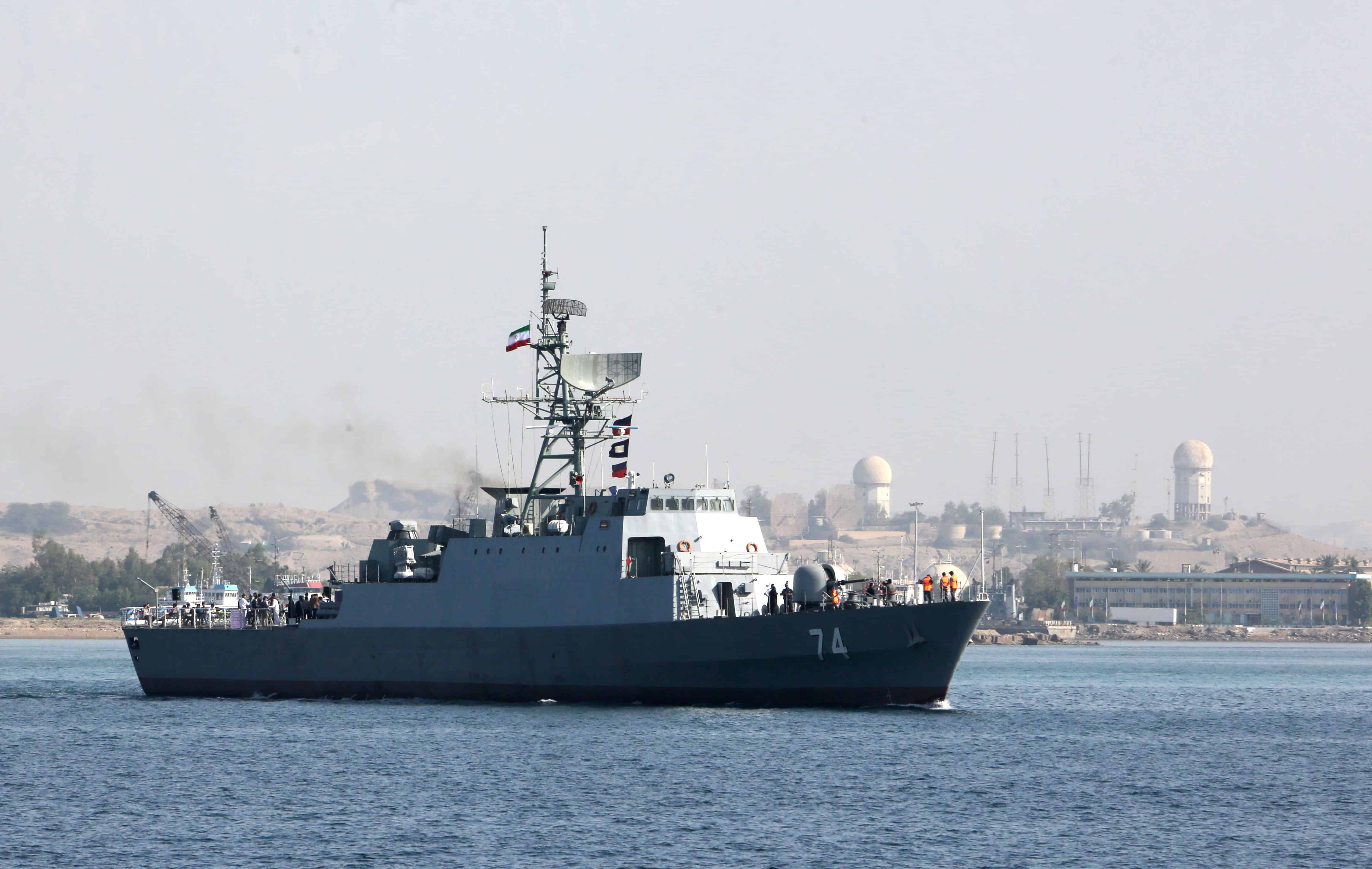

Dubai, UAE — Iran said on Saturday it had closed the Strait of Hormuz again in response to continued Israeli attacks on southern Lebanon, while Iranian and U.S. negotiators prepared to meet in Switzerland to discuss implementation of a fragile agreement aimed at ending the Middle East conflict.
Iran’s joint military command said the move was prompted by what it described as Israeli violations of the understanding reached earlier this week and Washington’s failure to ensure an end to hostilities.
“The Strait of Hormuz has been closed again,” the military command said in a statement carried by state television, warning that further measures had been prepared if what it called “aggression” continued.
The closure marks the latest challenge to the interim accord signed by Tehran and Washington to halt the regional war, with Iranian officials increasingly questioning whether the agreement can survive unless its provisions are implemented quickly.
Switzerland talks
An Iranian negotiating delegation departed for Switzerland on Saturday for talks with U.S. officials focused on implementing the agreement, according to state news agency IRNA.
Foreign Ministry spokesman Esmaeil Baqaei warned the understanding was at risk if concrete steps were not taken soon.
“The other side must take the necessary measures as soon as possible. Otherwise, the entire understanding will be in trouble,” Baqaei said.
Iranian state television reported that the discussions, originally scheduled for Friday, had been postponed and would now proceed in Switzerland. Pakistan earlier said technical talks between the two sides were expected on June 21.
U.S. Vice President JD Vance said he expected to travel to Switzerland within days as diplomatic efforts continued.
Lebanon violence continues
The latest diplomatic push came as fighting persisted in southern Lebanon despite reports of a ceasefire arrangement.
Israeli strikes on Saturday killed at least 16 people in southern Lebanon, according to reports cited by Iranian state media. Hezbollah said it had confronted an Israeli “infiltration attempt” in the south.
Lebanon’s health ministry said the death toll since the latest Israel-Hezbollah conflict erupted on March 2 had reached 4,057, with more than 12,000 wounded. The ministry also raised the toll from Friday’s Israeli attacks to 83 dead and 141 injured.
The continued violence has become a central point of contention for Tehran, which argues that the agreement with Washington cannot succeed while military operations in Lebanon continue.
Strategic waterway
The Strait of Hormuz, located between Iran and Oman, is one of the world’s most important energy transit routes, carrying a significant share of global seaborne oil exports.
Iran had previously restricted passage through the waterway during the recent conflict before traffic resumed following the announcement of the interim agreement earlier this week.
The U.S. military said ships had moved more than 17 million barrels of oil through the strait on Saturday, underscoring its importance to global energy markets.
Analysts say the renewed closure increases pressure on Washington to preserve the agreement while preventing a broader escalation involving Lebanon, Israel and Iran.