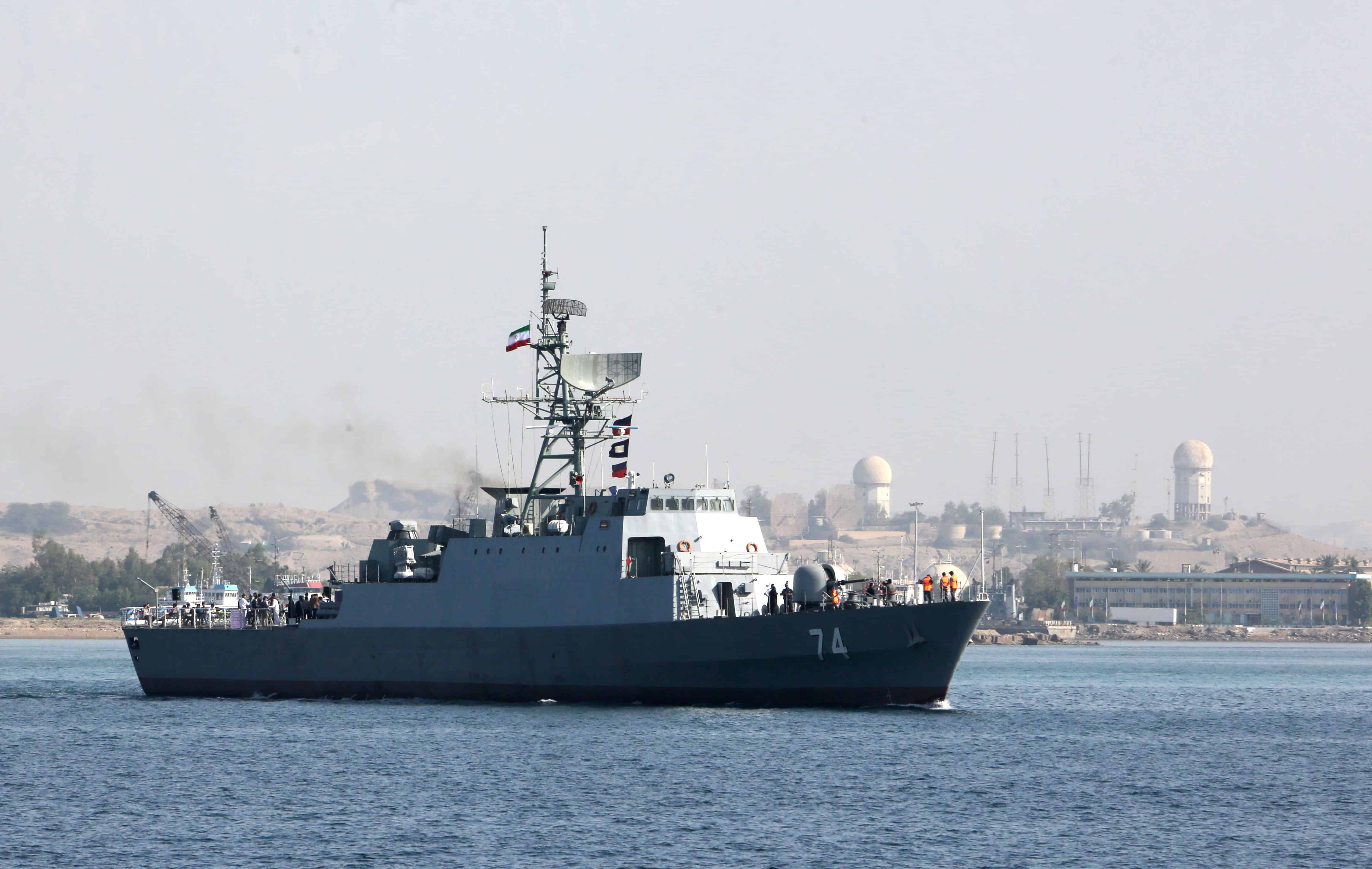

Dubai, UAE — Oman said it had coordinated with the International Maritime Organization (IMO) to establish a temporary maritime corridor through the Strait of Hormuz, providing vessels with a controlled route through one of the world’s most strategically important shipping lanes as efforts gather pace to restore regional maritime traffic.
According to Oman’s state news agency, ships wishing to use the corridor must coordinate with the IMO and Omani authorities based on designated navigation coordinates. Muscat said the measure was intended to safeguard freedom of navigation in accordance with international maritime law and without imposing transit fees.
The announcement comes a day after the IMO unveiled plans for a large-scale operation to move vessels and crews stranded in the Gulf following months of conflict-related disruptions.
IMO evacuation plan underway
The IMO said on Tuesday it had secured safety guarantees for an operation that will help evacuate more than 11,000 seafarers trapped in the region and facilitate the movement of hundreds of vessels affected by instability around the strait. The operation is being carried out in coordination with Iran, Oman, other Gulf states, the United States and the shipping industry.
IMO Secretary-General Arsenio Dominguez said the organisation had verified conditions for safe navigation and would implement the operation in phases, while warning that traditional traffic separation routes remained unsafe in some areas because of lingering maritime security risks.
The Strait of Hormuz, situated between Iran and Oman, handles a substantial share of global oil and gas exports and has been at the centre of regional tensions since fighting between Iran, Israel and the United States escalated earlier this year.
Iran and Oman discuss future management of strait
The corridor announcement follows talks in Muscat on Tuesday between Iranian and Omani officials, during which the two countries agreed to establish a joint working group to discuss the future administration of navigation and maritime services in the strait.
The discussions stem from a memorandum of understanding signed last week between Tehran and Washington aimed at ending hostilities and creating a 60-day framework for negotiations on broader regional issues. Under the agreement, Iran was expected to consult Gulf coastal states regarding future arrangements for navigation through the waterway.
Both Oman and Iran reiterated their commitment to maintaining safe passage through the strait in accordance with international law while affirming their sovereignty over territorial waters.
Diplomacy advances, nuclear dispute remains
Diplomatic efforts accelerated on Tuesday as officials from Iran, the United States and regional governments pursued negotiations aimed at transforming last week’s ceasefire framework into a broader peace and security agreement.
However, differences emerged over Iran’s nuclear programme after Tehran rejected U.S. assertions that inspectors from the International Atomic Energy Agency (IAEA) would soon return to sites damaged during U.S. and Israeli strikes last year.
Iranian Foreign Ministry spokesman Esmaeil Baqaei said no inspections were planned and that Tehran had not scheduled any meetings with the IAEA regarding visits to the affected facilities. Iranian officials also contradicted comments by U.S. Vice President JD Vance and President Donald Trump that suggested Iran had agreed to extensive future inspections.
The disagreement highlights continuing obstacles in negotiations over Iran’s nuclear programme, sanctions relief and long-term regional security arrangements despite progress on maritime and diplomatic fronts.