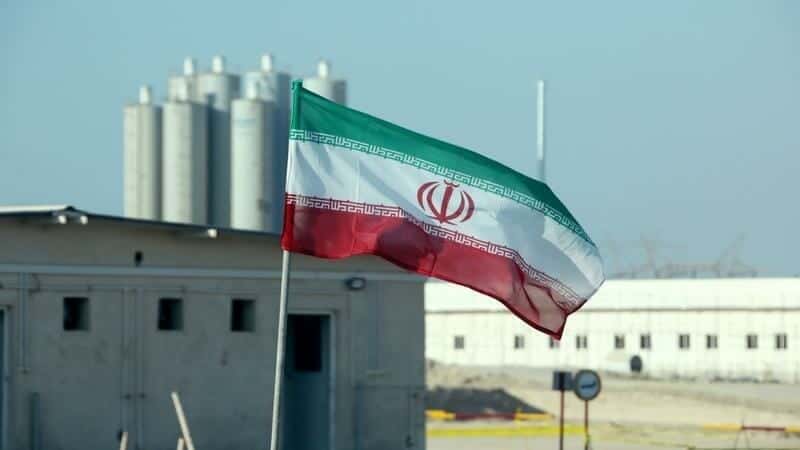

Dubai, UAE — The UN nuclear watchdog is preparing to begin inspections of Iran’s nuclear facilities under the recently signed U.S.-Iran memorandum of understanding, its chief said on Thursday, as Washington and Gulf Arab states voiced support for the agreement while urging the protection of shipping through the Strait of Hormuz.
International Atomic Energy Agency (IAEA) Director General Rafael Grossi said inspectors were ready to verify the nuclear provisions of the accord, with technical preparations already underway.
“The IAEA will have to have access and inspect. I am prepared to continue the technical work and be there as soon as possible,” Grossi told reporters in Tokyo. He said the memorandum specifically tasked the agency with supervising the nuclear elements of the agreement, adding that inspections were the only way to fulfil that mandate.
The comments came as U.S. Secretary of State Marco Rubio and Gulf Cooperation Council foreign ministers reaffirmed their backing for the U.S.-Iran agreement following a meeting on Thursday, calling for continued efforts toward a permanent end to hostilities.
In a joint statement, the ministers rejected any attempts to impose tolls or restrictions on passage through the Strait of Hormuz, one of the world’s most important oil shipping routes, and reiterated their support for Lebanon’s sovereignty and ongoing U.S.-mediated talks between Israel and Lebanon. They also condemned attacks by Iran-backed groups in Iraq on Gulf states and their energy infrastructure.
The diplomatic developments followed renewed concerns over security in the Strait of Hormuz after Iran’s Persian Gulf Strait Authority warned ships against using unauthorised navigation routes, saying vessels operating outside designated channels would do so at their own risk.
The warning came after a cargo ship reported being struck by an unidentified projectile near Oman, prompting the International Maritime Organisation to temporarily suspend its programme escorting vessels and seafarers through the strategic waterway until safety guarantees could be restored.
The incident helped push oil prices around 2% higher as traders weighed the risks to traffic through the route, which carries roughly a fifth of global oil consumption.
Unfrozen assets
Separately, U.S. President Donald Trump said unfrozen Iranian assets would be used to purchase American agricultural products, including wheat, soybeans and corn, under the framework of the agreement with Tehran, although Iranian officials have previously disputed that such purchases are required.
Meanwhile, the Wall Street Journal reported that the Pentagon is reviewing its military posture in the Middle East following recent Iranian strikes on U.S. facilities in the Gulf, including options to reduce deployments in Kuwait and Saudi Arabia while rebuilding damaged infrastructure in Bahrain. The newspaper said officials were also considering relocating some military assets to Israel, though no decision has been announced.
In Israel, Prime Minister Benjamin Netanyahu and Defence Minister Israel Katz said Israeli forces would remain indefinitely in what they described as security zones in southern Lebanon, Syria and Gaza, despite provisions in the U.S.-Iran memorandum calling for an end to military operations in Lebanon and reaffirming the country’s sovereignty.
Negotiations between Lebanese and Israeli delegations, facilitated by the United States, were extended into a second day, with talks expected to continue on Friday.