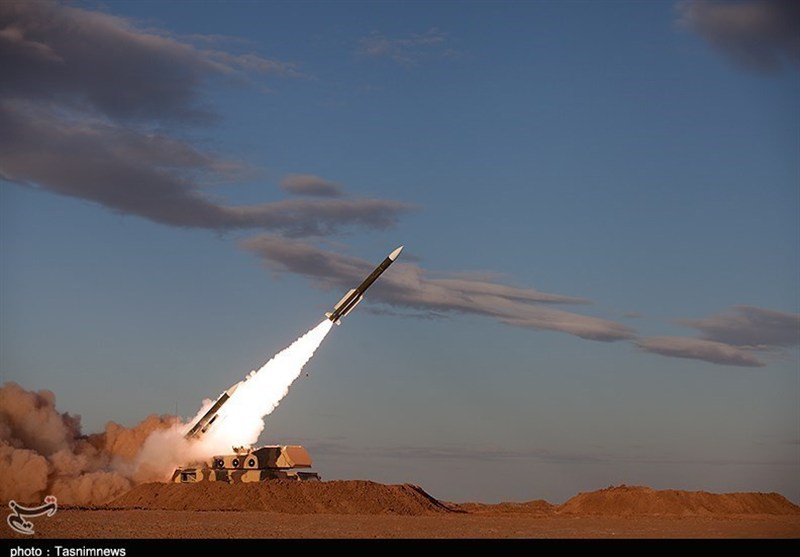

Dubai, UAE — The United States launched a second wave of strikes on Iranian military targets near the Strait of Hormuz on Saturday, prompting Iran to retaliate with missile and drone attacks on US facilities in Bahrain and Kuwait, in the latest escalation threatening a fragile US-Iran ceasefire.
US Central Command said American fighter jets struck 10 Iranian military sites, including missile and drone storage facilities, air defence systems, surveillance infrastructure and coastal radar positions. President Donald Trump said the strikes were a response to Iranian attacks on commercial shipping, accusing Tehran of violating a recently signed memorandum of understanding (MoU), and warned Washington could “complete the job” if attacks continued.
Iran’s Islamic Revolutionary Guard Corps (IRGC) said it responded by targeting the US Ali Al Salem airbase in Kuwait and the US Fifth Fleet headquarters in Bahrain with ballistic missiles and drones. A US official told Reuters no American casualties or significant damage had been reported.
The latest exchanges mark the worst fighting since Washington and Tehran agreed to the interim MoU aimed at easing tensions in the Strait of Hormuz.
Iran warns MoU could collapse
The IRGC warned that continued US attacks would bring negotiations to a halt, saying Washington had violated the ceasefire provisions of the agreement.
Iran maintained that Article 5 of the MoU grants it responsibility for managing shipping arrangements through the Strait of Hormuz and warned vessels violating those arrangements would face stronger action.
Iranian officials and analysts said Tehran views control of the strategic waterway as its principal leverage in negotiations with Washington and would resist any attempt to bypass its authority.
US says diplomacy remains preferred path
US officials said they still preferred resolving disputes through diplomatic channels despite the latest military exchanges.
Vice President JD Vance said Iran should use diplomatic channels if it had concerns over the agreement, while the White House maintained the latest strikes were a response to ceasefire violations rather than an abandonment of negotiations.
Netanyahu hails Lebanon framework
Separately, Israeli Prime Minister Benjamin Netanyahu described a new US-brokered framework agreement with Lebanon as a historic achievement, saying it recognised Israel’s right to maintain a security zone in southern Lebanon until Hezbollah is disarmed.
Netanyahu said the deal represented a major setback for Iran and Hezbollah by separating Lebanon’s security arrangements from broader US-Iran negotiations.
The agreement has drawn criticism from both sides. Hezbollah supporters protested in Lebanon, while Israeli National Security Minister Itamar Ben-Gvir called the framework a “historic mistake”, arguing it gave Hezbollah a lifeline through a ceasefire.
The latest developments underscore growing regional tensions, with exchanges between Washington and Tehran unfolding alongside uncertainty over the implementation of the Israel-Lebanon agreement.