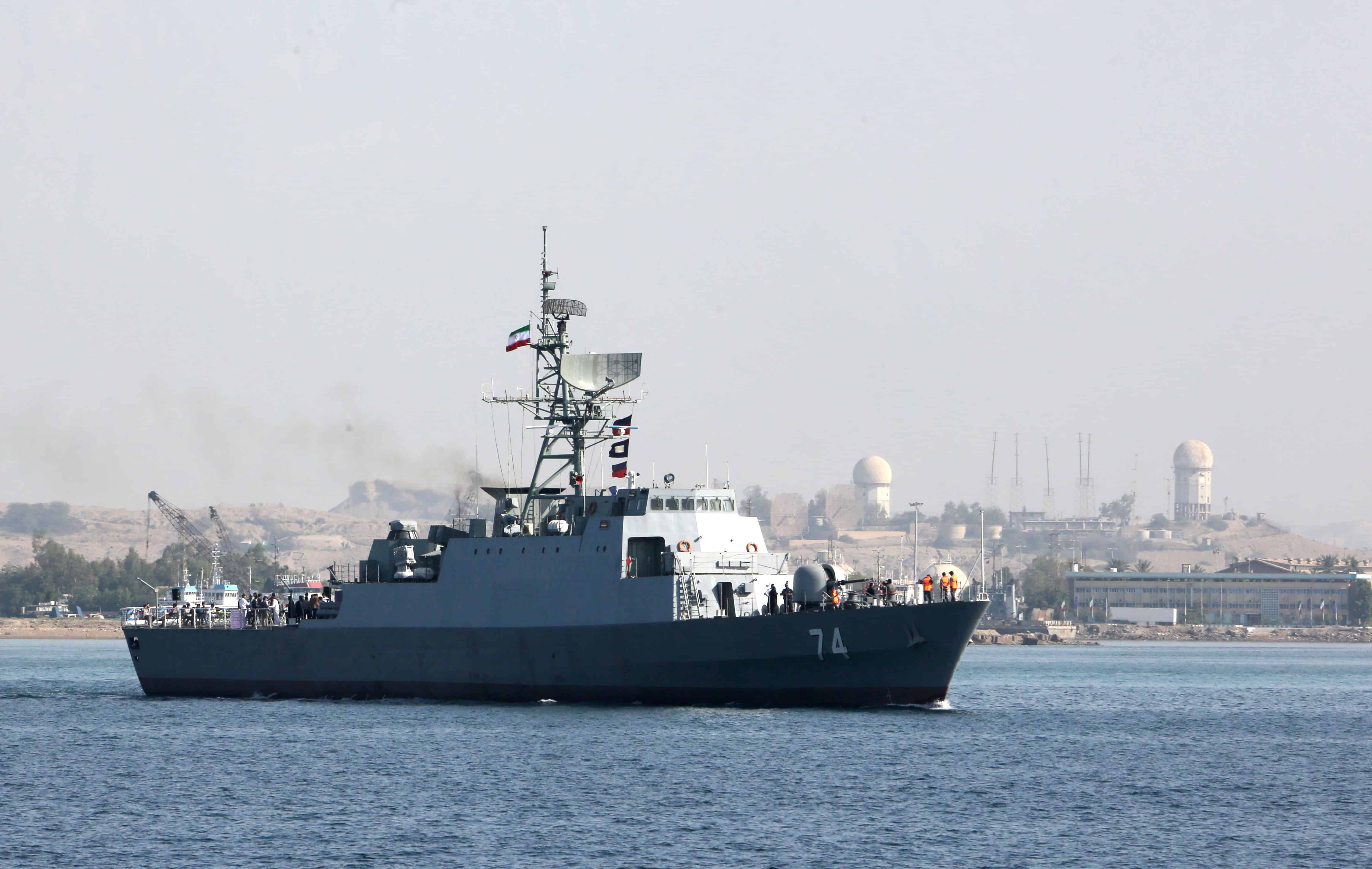

Iran says it will announce a new shipping route through the Strait of Hormuz in the coming days, following an agreement with Oman.
Iranian deputy foreign minister Kazem Gharibabadi said the temporary corridor would be 11.3km wide, with the entry and part of the exit route passing through Iranian territorial waters. Key details, including the route’s coordinates, operational protocols, start date and revenue arrangements, remain unclear.
The proposal comes as Tehran also plans to announce a restricted zone around Hormuz and parts of the Gulf. Analysts say the measures could be linked to the Iran-Oman agreement, with a workable deal potentially reducing the need for Tehran to enforce restrictions around the waterway.
Shipping traffic slumps
Commercial traffic through Hormuz has fallen to its lowest level since May, according to Kpler data cited by Reuters.
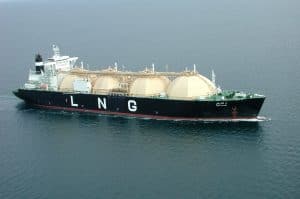
An average of 10 commodity ships a day crossed the strait over the past 10 days. Only two vessels passed on Saturday and six on Sunday, most using the Iranian route. No very large crude carriers had exited the strait since Wednesday, while a tanker carrying refined products from a Saudi port turned back after attempting to leave the Gulf.
The disruption is also hitting fuel-dependent markets. Iraq is facing a petrol shortage as supplies struggle to pass through Hormuz, despite the country being OPEC’s second-largest oil producer.
Oil climbs as risks persist
Oil prices continued rising amid renewed US-Iran exchanges of fire involving vessels in and around Hormuz.
Brent crude reached $97.07 a barrel early Monday, while West Texas Intermediate rose to $92.28. Brent has climbed more than 30 percent since the US-Israel war on Iran began on February 28.
The latest escalation has raised concerns that disruption to one of the world’s most important energy corridors could persist, adding pressure to global oil markets.
Gulf diplomacy steps up
Saudi Arabia and Britain have called for greater diplomatic efforts to ease regional tensions and improve the safety of international waterways.
Saudi Foreign Minister Prince Faisal bin Farhan and UK Foreign Secretary Ed Miliband discussed the need to enhance maritime security and ensure freedom of navigation during a phone call, according to Riyadh.
Canada has also said it is working with partners, including the G7, to maintain pressure on Iran while supporting US, French and British efforts to reopen Hormuz.
Yemen adds another layer of risk
The wider regional conflict is also intensifying around another key maritime corridor.
More than 300 fighters and civilians have reportedly been killed since fighting resumed in Yemen on Thursday, with clashes concentrated around Taiz and Hodeidah near the Red Sea and Bab al-Mandeb. The UN humanitarian agency said about 1,790 households had fled fighting and shelling.
Yemen’s government-aligned forces separately claimed 13 air strikes on Houthi positions, while the Houthis said they had shot down a Saudi CH-4 drone over al-Jawf.