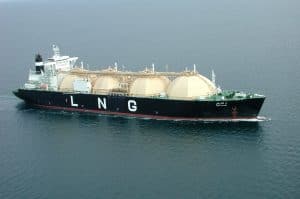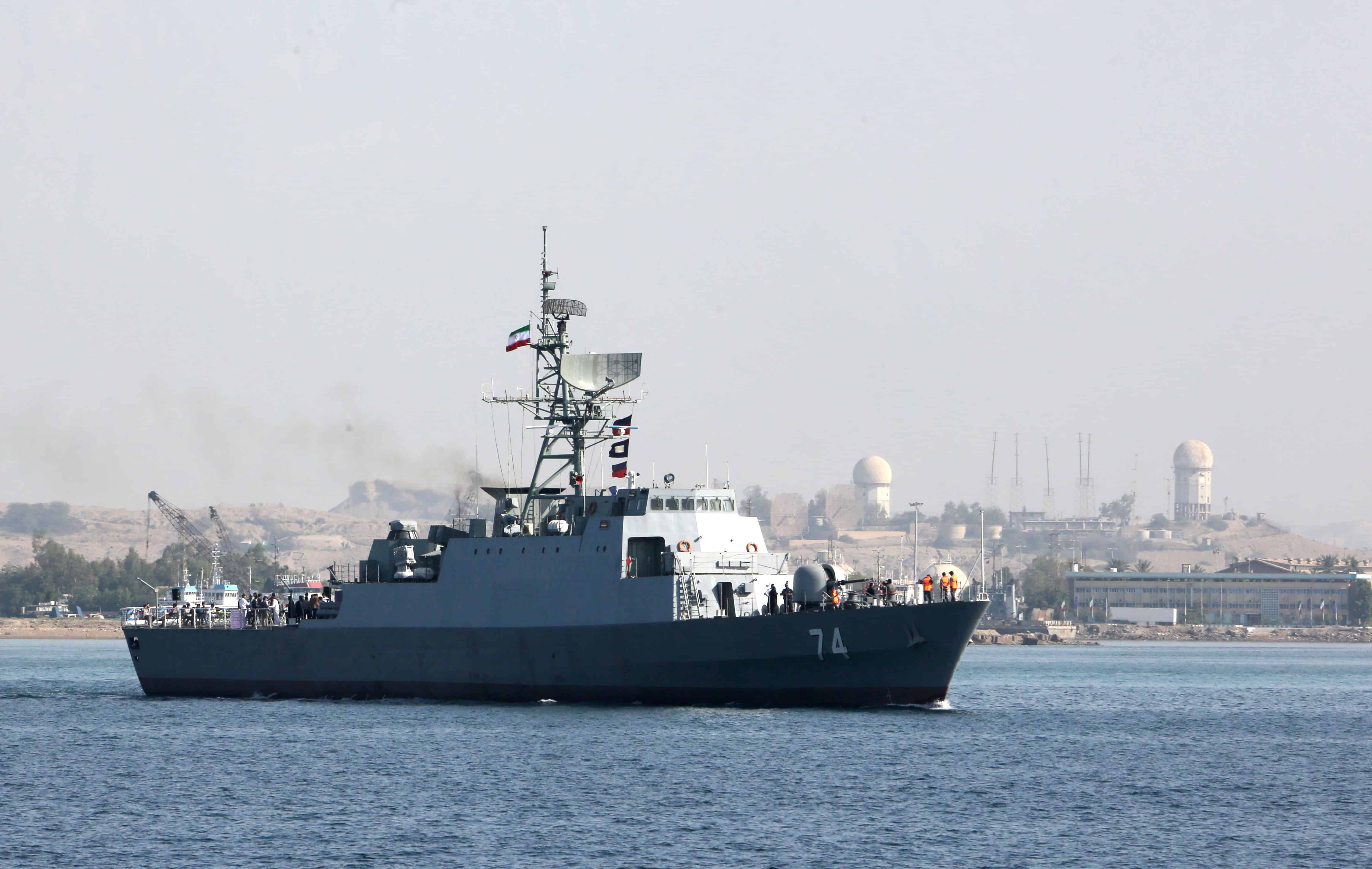

Shipping traffic through the Strait of Hormuz fell to its lowest level in more than two months after a surge in tanker attacks during the US-Israel war on Iran, with seven commodity vessels crossing on Tuesday, according to analytics firm Kpler. Traffic recovered to 10 vessels on Wednesday but remained well below the more than 20 vessels recorded on Sunday and Monday. Crude shipments through the strait also fell 27 percent from a wartime high to at least 10.1 million barrels a day, or 74 percent of their pre-war level.
The decline came as US President Donald Trump said his special envoy, Steve Witkoff, was making progress on a potential agreement with Iran, although he said a deal was not his preferred outcome. Trump said Iran would never have a nuclear weapon and predicted that the war would end “very soon”. He also described Iran as a failed nation with “a little spunk left, but not much”.
Iran’s Islamic Revolutionary Guard Corps Navy rejected Trump’s claims about the movement of oil and vessels through Hormuz. Ali Mohammadi, the force’s deputy political commander, said the oil market itself showed that US claims were untrue and questioned Washington’s assertion that the IRGC Navy had been destroyed. He said the force maintained full oversight of vessel movements in the Gulf, the strait and the Gulf of Oman.
The standoff has pushed oil prices higher, with Brent crude rising above $101 a barrel as markets remained concerned about supplies from the Middle East amid attacks on shipping in the Gulf and Hormuz.
The United States and Iran have also held indirect discussions in New York on Tehran’s nuclear programme, according to US media. Washington wants any agreement to address outstanding issues including Iran’s nuclear programme and is not seeking an interim arrangement focused only on Hormuz. Iran has proposed reopening the strait in exchange for sanctions relief and the unfreezing of Iranian funds, with nuclear talks to follow, but Trump has rejected the proposal.
Meanwhile, fighting has intensified in Yemen, where government forces are pushing to retake strategic territory along the Red Sea coast and say they have driven Houthi forces from areas around Bab al-Mandeb and captured the port city of Mocha. The Houthis dispute those claims and say they retain control of territory seized last month.
The Houthis also claimed to have downed a Saudi-owned Turkish-made Bayraktar Akinci drone over Taiz and said they had attacked Saudi-backed forces near Bab al-Mandeb with ballistic missiles. Saudi Arabia separately confirmed that Houthi attacks on Abha and King Khalid international airports killed three people and injured 36.
The renewed Yemen fighting has displaced more than 200,000 people, according to the UN, with civilians sheltering in camps around Aden and elsewhere as the conflict spreads. Yemen’s UN envoy Abdullah al-Saadi has warned that continued escalation could worsen the humanitarian crisis and create wider regional and global security risks.