
The World Bank expects Saudi Arabia’s economy to rebound strongly in 2027, forecasting real GDP growth of 7.9 percent, up from its April projection of 4.9 percent.
The revised forecast represents an increase of about three percentage points and comes as the bank expects the Saudi economy to absorb the impact of the conflict and disruption to regional trade and energy flows.
For 2026, however, the World Bank sharply downgraded its Saudi outlook, forecasting a 2 percent contraction in real GDP, compared with its April projection of 3.1 percent growth.
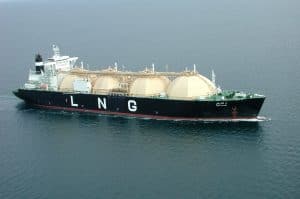
The bank said Saudi Arabia has benefited from the East-West pipeline, allowing the kingdom to redirect exports to the Red Sea port of Yanbu amid disruption to shipping routes.
The economic impact of the conflict has been concentrated primarily in Gulf economies, although the scale has varied depending on exposure to shipping disruptions, damage to energy infrastructure and the ability to redirect exports, the World Bank said.
The bank forecasts a 4.3 percent contraction in GCC GDP in 2026, driven by sharp declines in hydrocarbon production and exports following the closure of the Strait of Hormuz.
The disruption is also expected to weigh on tourism, logistics and aviation across the Gulf.
The World Bank’s 7.9 percent Saudi growth forecast for 2027 remains below the Saudi Ministry of Finance’s projection of 12.8 percent growth in its 2027 budget statement.
The ministry expects the Saudi economy to contract 3.6 percent in 2026.