

Air Arabia reported a 42 percent decline in third-quarter net profit as higher fuel costs and regional conflict weighed on earnings, despite revenue growth and sustained passenger demand.
The Sharjah-based budget carrier recorded a net profit of AED383 million for the three months ended September 30, compared with the corresponding period last year. Revenue rose 10 percent to AED2.31 billion.
The airline carried more than 5.7 million passengers across its operating hubs during the quarter, a 3 percent decline year-on-year. Its average seat load factor, measuring the proportion of available seats occupied, stood at 82 percent.
Air Arabia Chairman Sheikh Abdullah Bin Mohammad Al Thani said the company had recorded its third consecutive profitable quarter despite a challenging operating environment.
The regional conflict had increased operating costs, fuel price volatility and supply chain constraints, affecting profitability, he said.
For the first nine months of 2026, Air Arabia reported a net profit of AED757 million, down 47 percent from the same period last year.
Revenue increased 2 percent to AED5.81 billion, compared with AED5.71 billion in the corresponding period of 2025.
The airline carried 14.4 million passengers during the nine months, down 10 percent year-on-year, while its average seat load factor stood at 83 percent.
Al Thani said operational efficiency, cost control and network optimization had supported the group’s performance despite regional and global economic challenges.
Air Arabia launched operations from its newest hub at King Fahd International Airport in Dammam on September 20, introducing domestic services to Jeddah, Madinah and Riyadh.
The Saudi carrier was established by an Air Arabia-led consortium comprising Nesma Group and KUN Investment, following the granting of an Air Operator Certificate by Saudi Arabia’s General Authority of Civil Aviation.
During the first nine months, the group introduced 14 new routes across its hubs in the UAE, Morocco, Egypt, Pakistan and Saudi Arabia, taking its network to 224 routes.
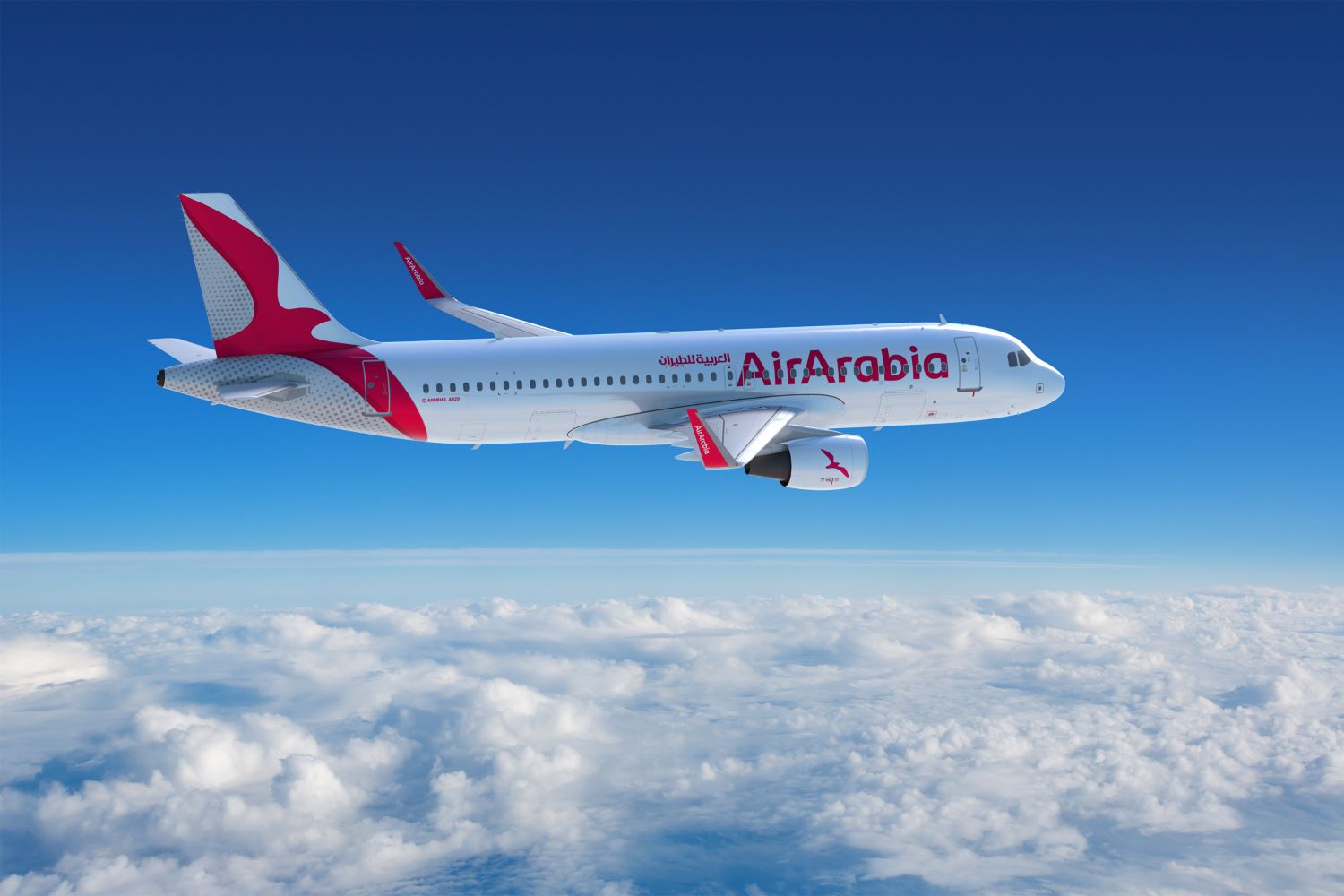
It added 10 aircraft during the period, bringing its fleet to 100 owned and leased Airbus A320 and A321 aircraft. Four additional aircraft are scheduled to join before the end of 2026.
Al Thani said the group would continue investing in its fleet and expanding its network where sustained demand justified growth, while maintaining financial discipline.