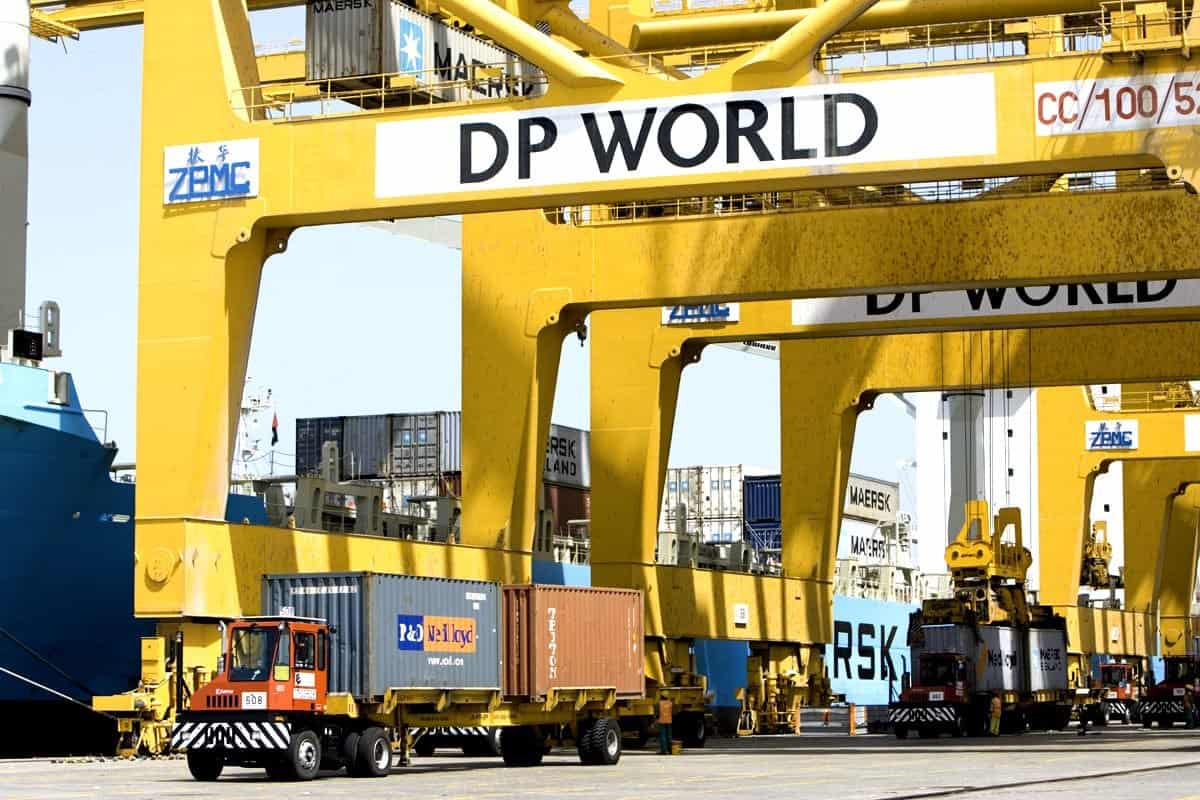

DUBAI: DP World has agreed to jointly study with FESCO, Russia’s largest intermodal transport operator, the technical and economic conditions for developing a new container berth in the far east of Russia.
The new berth will help to expand Vladivostok Commercial Seaport as a major transshipment hub connecting cargo from countries in East Asia to North-West Europe via the Northern Sea Route, a statement issued by DP World said.
Under the plan cargo will be brought to Vladivostok by feedering ships and rail from countries in East Asia and loaded onto Arctic-class container ships.
Murmansk will be further developed as a transshipment hub in the west to connect cargo to ports in North- Western Europe. DP World’s feedering operations will serve both Vladivostok and Murmansk offering faster and cleaner cargo transport solutions to customers and improving supply chain resilience, the statement added.
A record 33 million tons of cargo was carried along the route in 2020. President Vladimir Putin has set a target of 80 million tons by 2021. The project cuts some 4,000 nautical miles from voyages between East Asia and North-Western Europe, cutting shipping time by around two weeks and reducing CO2 emissions.