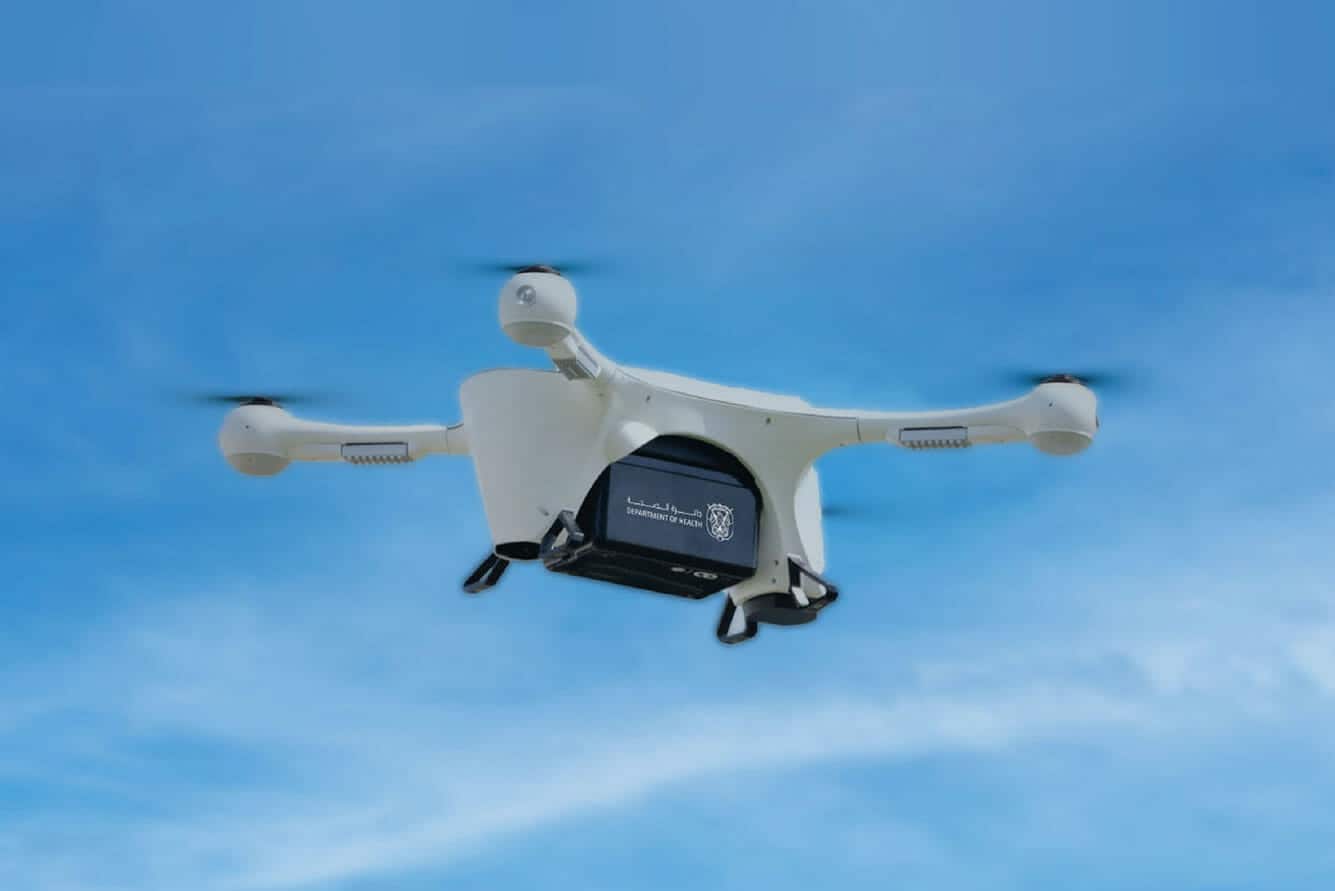

DUBAI: Abu Dhabi’s department of health (DoH) will be using drones for the transport of high-value medical goods such as Covid-19 vaccines, blood, and lab samples.
The DoH will be using the drone network of Matternet, a US-based company providing on-demand delivery platforms, in collaboration with the logistics company Skygo.
SkyGo and Matternet have completed the first phase of in-country flight testing, and at the DoH headquarters in Abu Dhabi the companies recently hosted a real-time demonstration of the service.
The demo flight transported a live patient PCR test from Zayed Sports City to a laboratory with an end-to-end chain of custody tracking via Matternet’s Terminal and Mission Control applications. The companies plan to complete testing by the end of year and begin commercial operations in Q1 2022.
Matternet became the first drone company in the US to start transporting the Pfizer-BioNTech COVID-19 vaccine by drone.
In a statement, the company said it will operate Beyond Visual Line Of Sight (BVLOS) under SkyGo’s license for drone delivery of medical goods across Abu Dhabi’s health system.
“The service will grow to a 24/7 operation and become an indispensable part of Abu Dhabi’s logistics infrastructure,” the statement said.
The companies plan to install 40 drone ports in Abu Dhabi by the end of the first year of operation, which is likely to reduce the number of delivery vehicles and consequently lower the city’s carbon footprint.