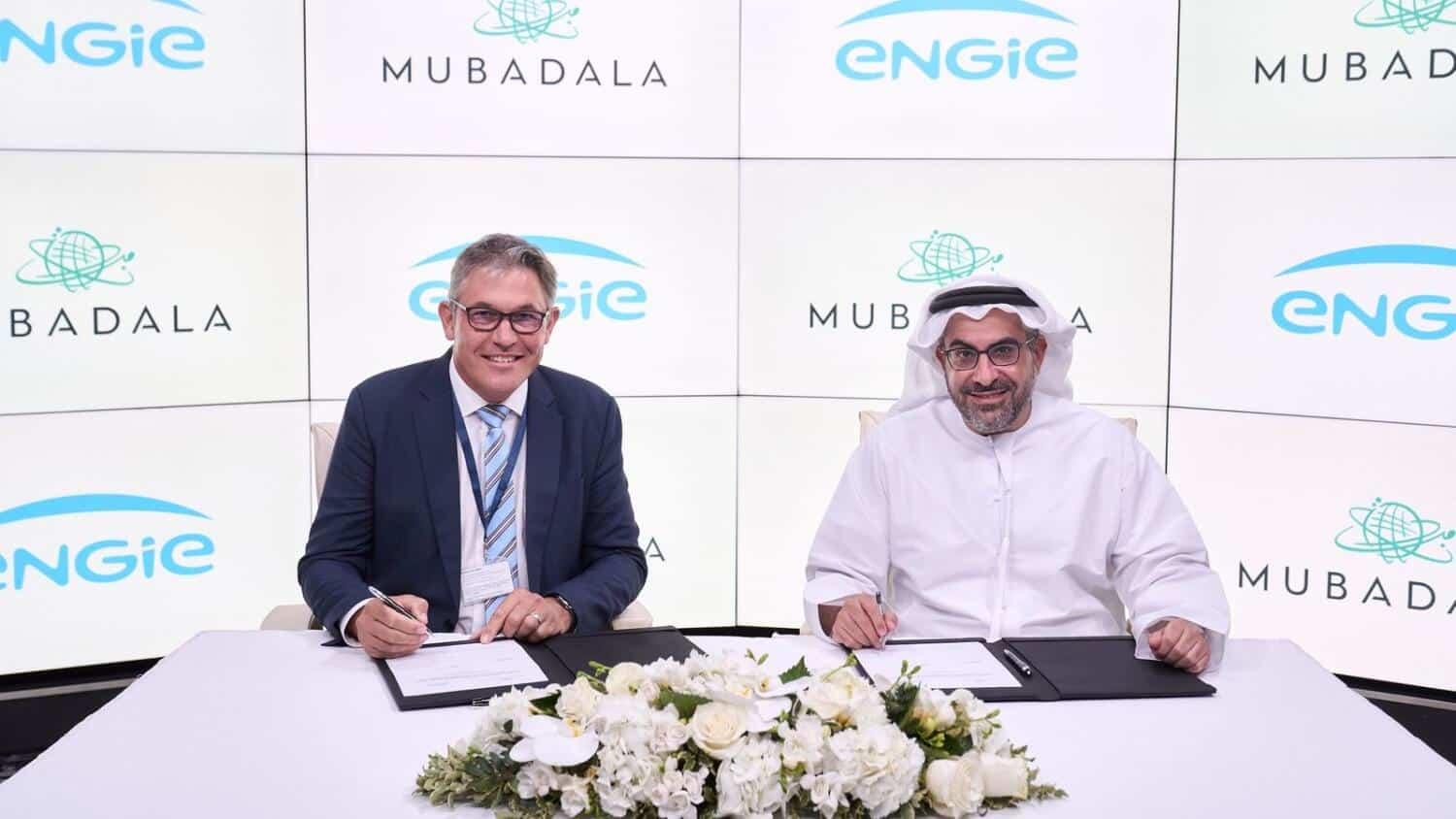

Mubadala Investment Company and ENGIE signed an agreement to explore the development of a digital platform for charging electric vehicles in Abu Dhabi and the Middle East region.
The two companies will work on a joint solution for the installation and operation of charging infrastructure as well as sustainable mobility in the UAE.
With the transport sector known as a significant contributor to global carbon footprint, electric vehicles (EV) are deemed as a key to supporting decarbonizing the mobility sector.
The emissions from these EVs are up to 43 percent lower than traditionally fueled vehicles, as reported by Carbon Brief.
Developing an EV friendly digital platform can play an important role for the UAE in meeting the goals of its Strategic Initiatives Net Zero by 2050.
The agreement was signed by Badr Al Olama, Executive Director at UAE Investments in Mubadala, and Ian Harfield, Managing Director of ENGIE Energy Solutions (GCC).
Al Olama said, “Our agreement with ENGIE will support developing a digital platform for charging electric vehicles and creating accessible, safe and sustainable mobility solutions to support the UAE’s climate action agenda.”
Harfield stated that by 2030, 60% of the global population will live in cities. Therefore, sustainable mobility will emerge as one of urban planners’ greatest challenges.
He noted, “The adoption of clean fuels and electrification of public and private transport systems will be critical levers for reducing carbon emissions and pollutants in cities.”
“The UAE, in particular, is leading the change towards independent electric cars in the region and targets to enter about 42,000 electric cars on its streets by 2030”, he added.