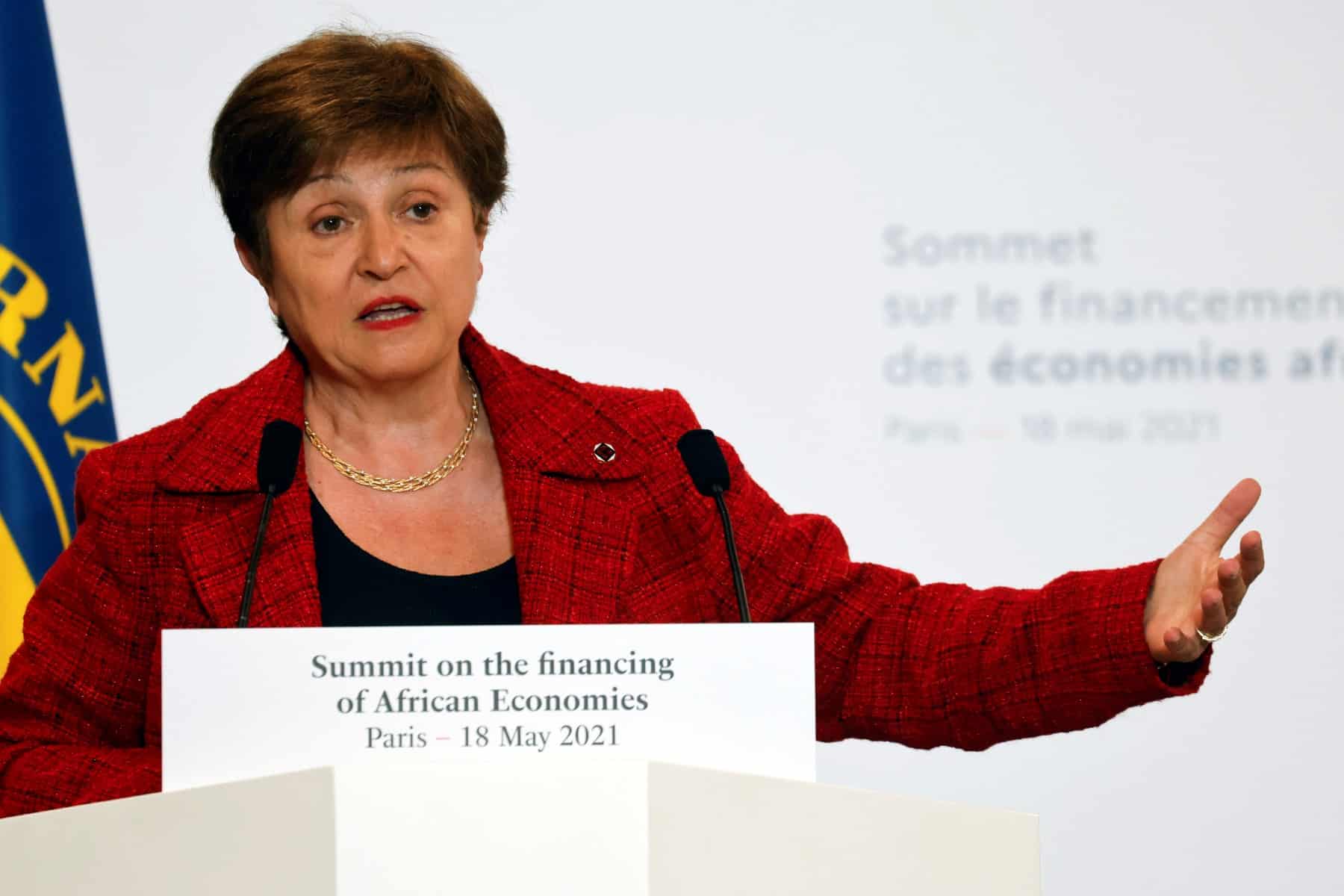

In response to multiple global crises disproportionately impacting women, the International Monetary Fund (IMF) has adopted new policies to better consider gender in its work, the global crisis lender’s managing director announced Friday.
“I am most pleased and proud to announce that the Executive Board today approved the IMF’s first Gender Strategy aimed at integrating gender into the Fund’s core activities,” said Kristalina Georgieva in a statement.
She explained that the Washington-based organization would immediately begin implementing the strategy, which includes improving access to gender-disaggregated data as well as “setting up a robust framework to ensure that macro-critical aspects of gender are integrated in IMF country work.”
“Successful implementation of this strategy will assist our member countries in achieving more inclusive and equitable economic growth and resilience,” said Georgieva.
“When women do well, countries do well.”
A Bulgarian economist who has worked for decades in international development, Georgieva added that “well-designed macroeconomic, structural, and financial policies can support efficient and inclusive outcomes and equitably benefit women, girls, and society in general.”