
Turkey’s finance minister told businesses on Friday they should not be concerned by the threat of sanctions that Washington warns will follow if they do business with sanctioned Russians.
Nureddin Nebati’s Twitter comments represent Ankara’s first official response to a letter the US Treasury sent to Turkish businesses on Monday.
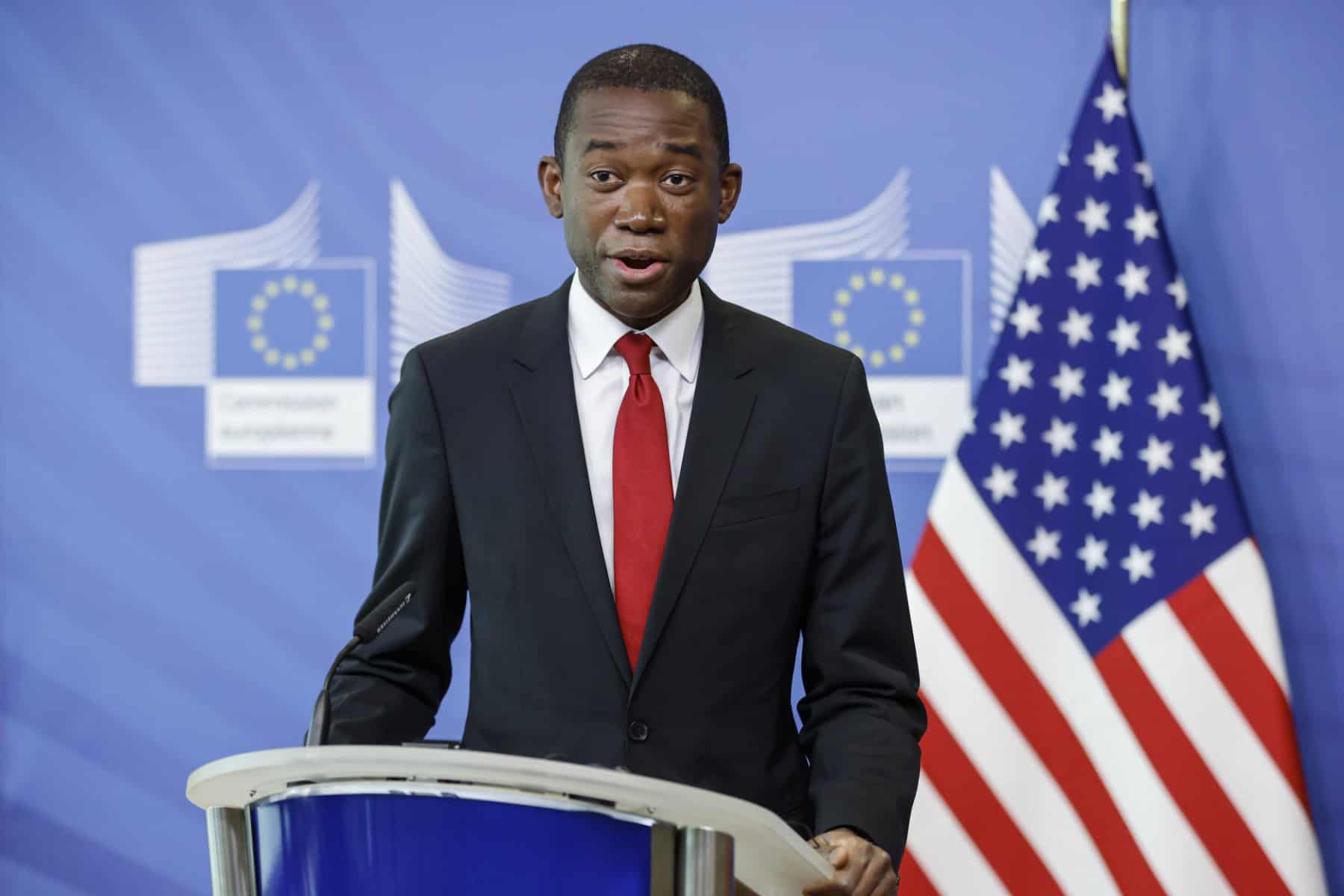
US Deputy Secretary of the Treasury Wally Adeyemo warned Turkish banks and companies they would face secondary sanctions if they cooperated with Russians sanctioned in response to the Kremlin’s invasion of Ukraine.
The value of Turkey’s trade with Russia shot up by nearly 50 percent between May and July.
Nebati said the letter should not “cause concern in our business circles. Turkey is one of the most important political and economic power centers in the world”.
NATO member Turkey – on good terms with both Moscow and Kyiv – has tried to stay neutral in the conflict and refused to join the international sanctions.
Turkish President Recep Tayyip Erdogan and Russian counterpart Vladimir Putin agreed to step up economic cooperation at a summit in the Black Sea resort of Sochi earlier this month.
US officials worry that sanctioned Russians are setting up Turkish entities to trade with the outside world.
They are also concerned that European companies are doing the same to circumnavigate EU sanctions imposed on Russian trade.
Nebati said Turkey was “determined to develop our commercial relations with our neighbors in various sectors – especially tourism – within a framework that is not subject to sanctions.”
A part of the US concern stems from Turkey’s decision to transition to paying rubles for the natural gas it imports from the Kremlin-tied giant Gazprom.
Washington is also worried that Russia may be using Turkey to acquire technology whose export has been banned by the US and the EU.
Data reviewed by The Wall Street Journal showed Russians opening over 500 companies in Turkey since the start of the year – more than double the number started last year.
Erdogan has argued that Turkey must remain “neutral” in the conflict because its industries rely heavily on Russian energy imports.