This is a temporary backup site for TRENDS MENA while our primary website is being restored following a regional disruption affecting Amazon Web Services cloud infrastructure in the GCC.

Search Site

Alujain widens 2025 loss

The increase in loss is due to impairment charges, weaker prices.

Masar 2025 net profit $262m

Higher land plot sales boost revenue and operating income.

Tasnee’s 2025 losses deepen

The petrochemicals' company's revenue also fell 17.7 percent.

DP World 2025 revenue $24.4bn

The profit for the year up 32.2% to reach $1.96bn.

BYD 2025 revenue surges

The EV manufacturer reported net profit of $.3.3bn for 9M 2025.

NASA’s Moon mission pushed back, again

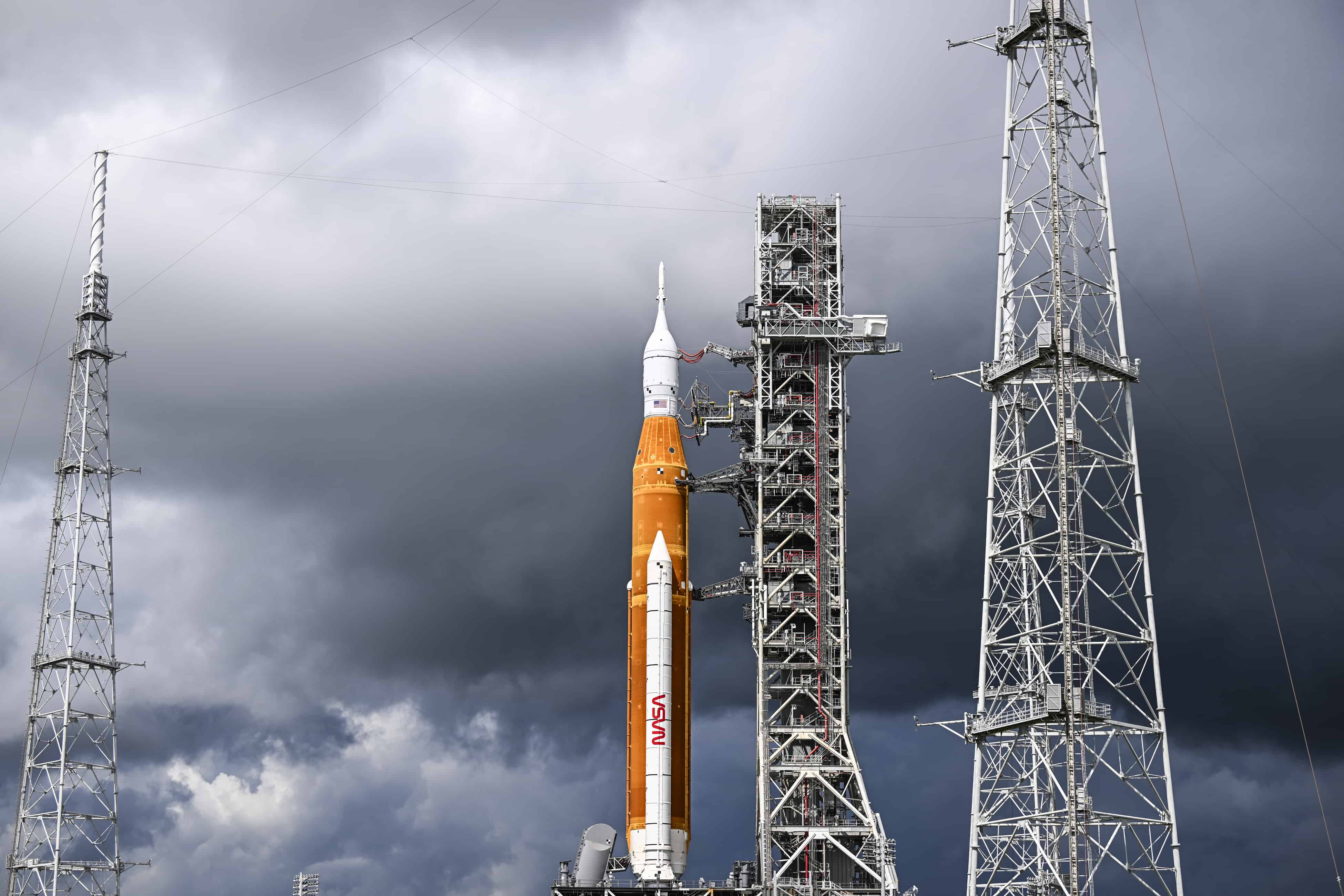
  • The Artemis 1 space mission hopes to test the SLS as well as the unmanned Orion capsule that sits atop it, in preparation for future Moon-bound journeys with humans aboard
  • Once launched, it will take several days for the spacecraft to reach the Moon, flying around 60 miles (100 kilometers) at its closest approach

Washington, United States– NASA is now targeting September 27 as the earliest possible launch date for its uncrewed Artemis 1 mission to the Moon, the agency said in a blog post Monday.

The date would depend on engineering teams successfully carrying out a test to fuel up the Space Launch System rocket, and receive a waiver to avoid retesting batteries on an emergency flight system that is used to destroy the rocket if it strays from its designated range.If it does not receive the waiver, the rocket will have to be wheeled back to its assembly building, pushing the timeline back several weeks.

For the September 27 date, a “70-minute launch window opens at 11:37 am EDT,” while the mission would end with an ocean splashdown of the Orion capsule on November 5.

A potential next date comes on October 2.

The Artemis 1 space mission hopes to test the SLS as well as the unmanned Orion capsule that sits atop it, in preparation for future Moon-bound journeys with humans aboard.

Once launched, it will take several days for the spacecraft to reach the Moon, flying around 60 miles (100 kilometers) at its closest approach.

One of the trip’s main objectives is to test the capsule’s heat shield which at 16 feet (five meters) in diameter is the largest ever built — when the ship re-enters the atmosphere.

The next mission, Artemis 2, will take astronauts to the Moon without landing on its surface, while the third set for the mid-2020s would see the first woman and person of color on lunar soil.

NASA wants to build a lunar space station called Gateway and keep a sustained presence on the Moon to gain insight into how to survive very long space missions, ahead of a mission to Mars in the 2030s.