
Riyadh, Saudi Arabia–Saudi Arabia has launched five new projects to produce electricity using renewable energy, which is part of the fourth phase of the projects of the National Renewable Energy Program.
Saudi Press Agency said that Saudi Energy Procurement Company (the main buyer) launched the projects for competition. The financial details of the projects were not disclosed.
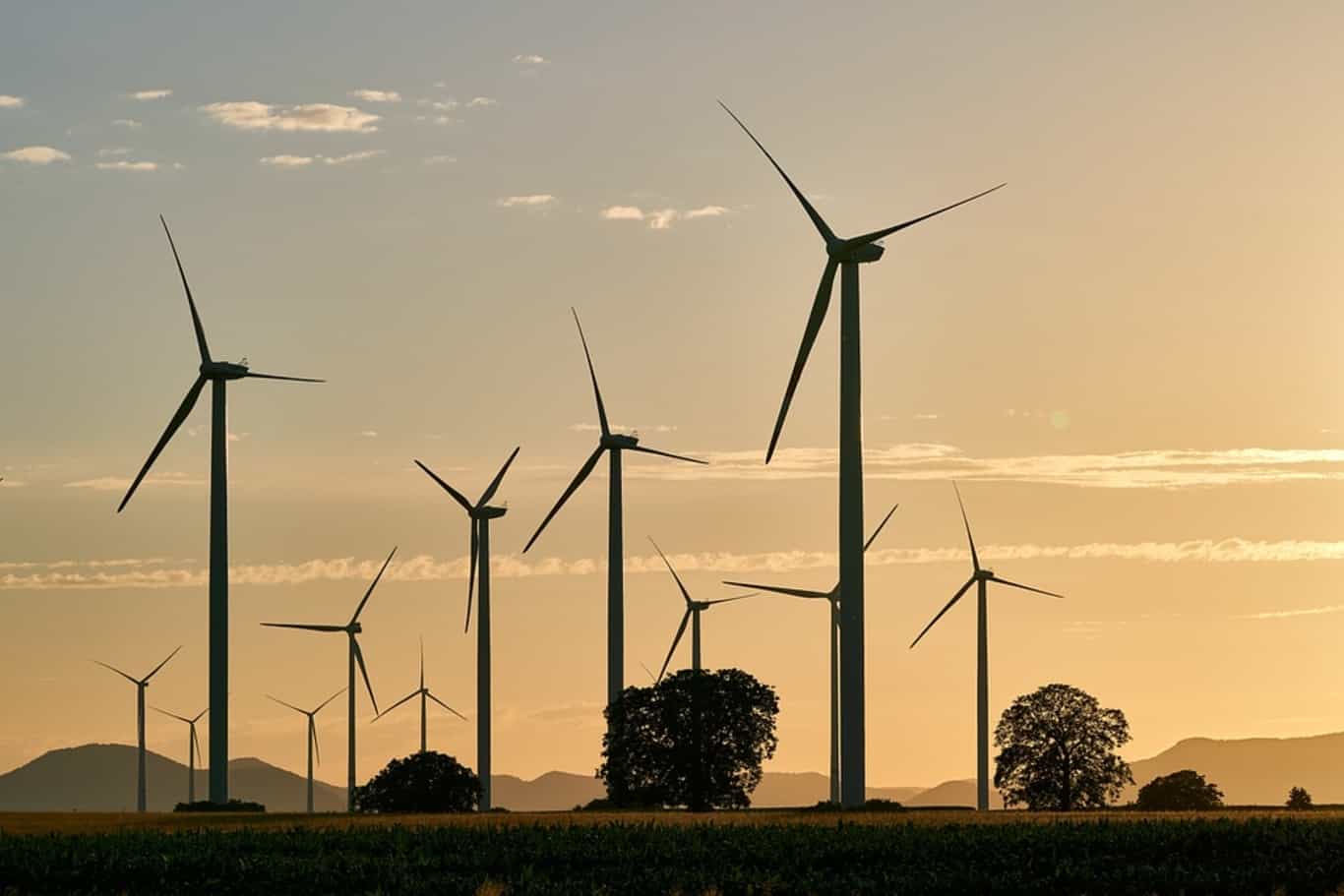
These projects, with a total capacity of 3300 MW, include three projects to exploit wind energy and two projects to exploit solar energy. The total capacity of wind energy production projects at this stage is 1800 MW, distributed over a project in Yanbu with a capacity of 700 MW, and a project in Al-Ghat with a capacity of 600. MW, and a project in Waad Al Shamal with a capacity of 500 MW, while the capacity of production projects from solar energy amounts to 1500 MW, distributed among a project in Al Hanakia with a capacity of 1100 MW, and a project in Tabarjal with a capacity of 400 MW.
The launch of these projects within the National Renewable Energy Program comes as part of the Kingdom’s goals to reach the optimal energy mix for electricity production from renewable energy sources, use gas for 50 percent of each, and displace liquid fuels used to produce electricity by 2030.