INSEAD Day 4 - 728x90

Borouge okays $656m dividend

The company said dividend reflects its resilience

DEWA posts record H1 profit

Revenue reaches record $4.04 billion.

Tabreed H1 revenue $308m

Blurb: Profit reaches $52 million in H1

ADNOC L&S to expand fleet

It will acquire 11 carriers for $1.3bn.

Empower profit climbs 16%

Dubai district cooling demand lifts earnings

EU sees Nord Stream pipeline leaks as ‘deliberate act’

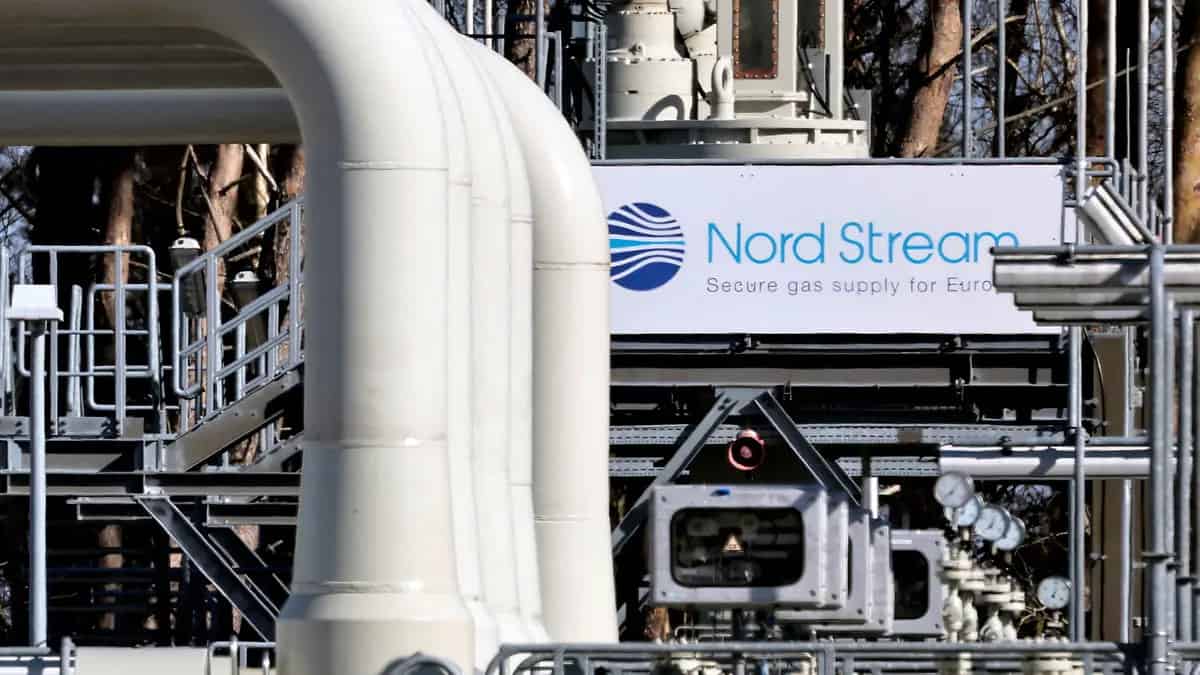
The pipelines were not in operation at the moment of the explosion though they were still filled with natural gas, or methane. (AFP)
  • European Council President Charles Michel tweeted that Nord Stream sabotage acts appear to be an attempt to further destabilize energy supply to EU
  • Sweden and Poland have already said sabotage was the most likely cause of the leaks from the pipelines in the Baltic Sea
BrusselsBelgium– The EU considers leaks from two Russia-Germany undersea gas pipelines this week “are not a coincidence”, with indications they were “a deliberate act”, the bloc’s foreign policy chief Josep Borrell said Wednesday. 
“Any deliberate disruption of European energy infrastructure is utterly unacceptable and will be met with a robust and united response,” he warned in a statement.Borrell called for an investigation into the leaks from the Nord Stream 1 and 2 pipelines, saying: “All available information indicates those leaks are the result of a deliberate act.”

“We will support any investigation aimed at getting full clarity on what happened and why, and will take further steps to increase our resilience in energy security,” he said.

European Council President Charles Michel tweeted that “Nord Stream sabotage acts appear to be an attempt to further destabilize energy supply to EU”.

He added: “Those responsible will be held fully accountable and made to pay.”

Sweden and Poland have already said sabotage was the most likely cause of the leaks from the pipelines in the Baltic Sea, with Warsaw suggesting Russia was probably the culprit, to escalate the war in Ukraine.

The Nord Stream 1 and 2 pipelines are strategic infrastructure linking Russia to Europe. While both were not in operation, they contained gas, which the leaks sent bubbling to the surface in Sweden and Denmark’s economic zones.

Swedish seismologists detected “massive releases of energy” just before the leaks, with one telling AFP “there isn’t much else than a blast that could cause it”.