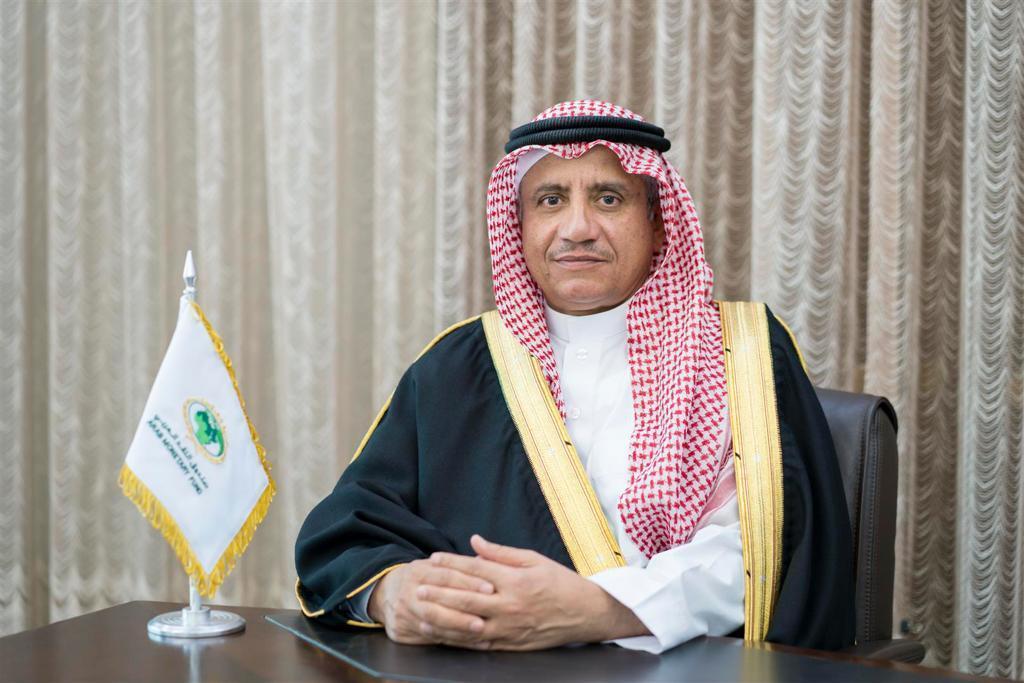

Riyadh, Saudi Arabia — Arab Monetary Fund’s projections indicate a forecasted growth rate of approximately 3.4 percent for Arab economies in 2023, with expectations of this figure increasing to 4 percent in 2024, said AMF Director-General Dr. Abdul Rahman bin Abdullah Al Humaidi.
Speaking at the opening of the Arab Banking Conference 2023, which began today in Riyadh, under the theme, “Arab Economic Outlook in Light of International Changes”, Al Humaidi highlighted the need for Arab governments to accelerate their efforts to achieve digital transformation and shift towards a knowledge-based economy, noting that Arab countries that quickly recovered from the COVID-19 fallout were those with higher levels of digital readiness.
He also underscored the importance of intensifying efforts to develop the financial and banking sector in Arab countries, increase access to financing and financial services, enhance domestic capital markets, and promote regional financial integration, WAM reported.
The Arab banking system has become more prepared to absorb and withstand financial and economic shocks and risks due to its improved liquidity and solvency levels, compliance with Basel III capital and liquidity requirements, and adherence to International Financial Reporting Standard (IFRS) 9, while effective banking supervision capacities have been improved to be in line with the best international standards and practices, he said.
Al Humaidi affirmed that the banking sector in Arab countries is their primary source of economic liquidity, with assets totalling some US$4.1 trillion, equivalent to 124 percent of the combined Gross Domestic Product (GDP) of Arab nations.
The sector has generally remained stable and capable of withstanding shocks due to its good levels of capital, asset quality, and profitability, reflecting the role of Arab central banks in maintaining financial stability, he added, noting that the Arab banking sector is distinguished by its high solvency, with the average capital adequacy ratio reaching 17.4 percent at the end of 2022.