


Kabul, Afghanistan–Afghanistan has entered an agreement with Russia to procure millions of tons of petroleum products and wheat, Taliban officials said Wednesday.
Russia has been hit hard by unprecedented Western sanctions over its invasion of Ukraine, causing Moscow to push exports to Asian countries to support its economy.
“The contract was agreed upon last month when the minister of industry and trade visited Russia,” Abdul Salam Jawad, spokesman for the ministry, told AFP.
He would not comment on any financial details.
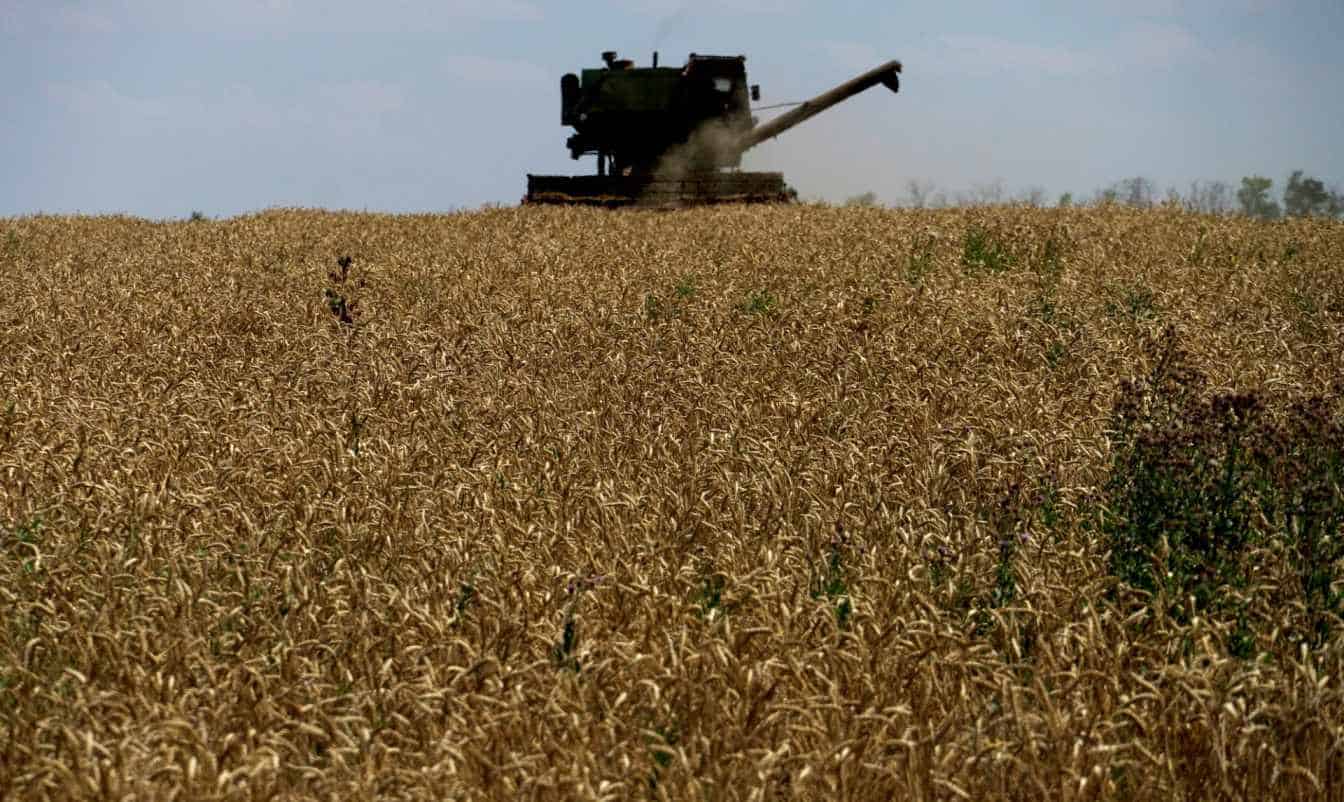
The deal includes supplying Kabul with one million tons of gasoline, a million tons of diesel, 500,000 tons of liquefied petroleum gas (LPG), and two million tons of wheat.
The ministry of economy, in a separate statement, said the supplies from Russia are expected to arrive “in the next few weeks”.
An economic crisis in Afghanistan has only worsened since the Taliban returned to power following a hasty withdrawal of US-led foreign forces last August.
The country’s banking sector has nearly collapsed after Washington froze $7 billion of Afghanistan’s assets held in the United States.
Billions of dollars in foreign aid that had helped prop up Afghanistan’s economy for 20 years during the US military intervention has also vastly reduced, further deepening the crisis.
A two-year drought has affected the country’s food production.
Taliban officials have maintained that they are looking to strike trade deals with the international community, and have so far received oil and gas from neighboring Iran.
The government has not yet been recognized by any country, but Russia has maintained bilateral ties with Taliban since before they seized power last year.
Russia was one of the few countries to keep its embassy open in Kabul during the Taliban’s chaotic return to power.