
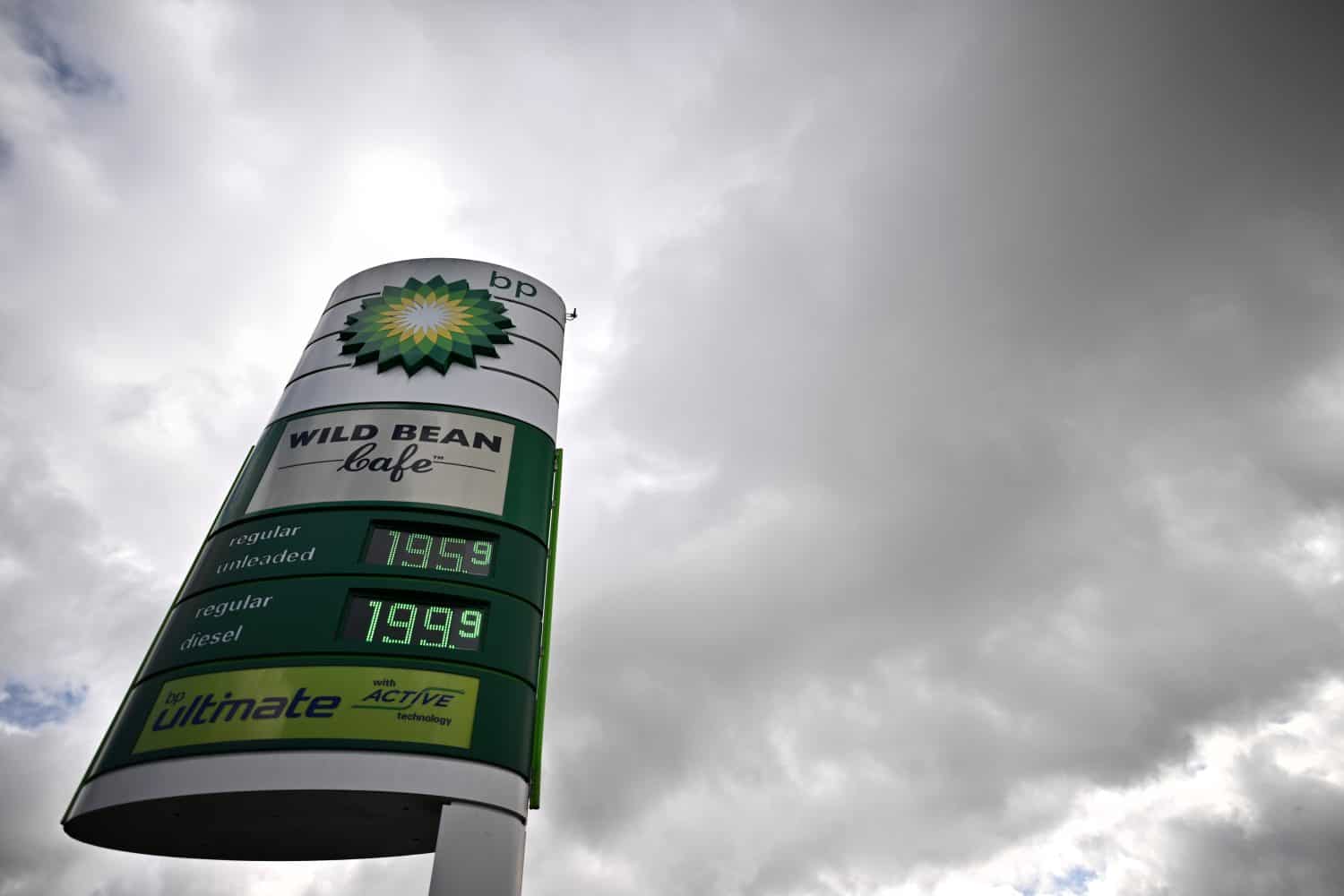


Oil giant BP announced Wednesday it is taking a 40.5 percent stake in an Australian energy project being billed as the largest renewable power station on earth.
BP will operate the $36 billion Asian Renewable Energy Hub, which will sprawl across 6,500 square kilometers (2,509 square miles) of the Pilbara region on Australia’s west coast, one of the largest mining areas in the world.
The project is expected to generate 26 gigawatts of renewable energy through wind and solar, supplying power across the Pilbara.
It will also produce 1.6 million tonnes of green hydrogen each year.
AREH is one of several large renewable energy projects across the country, including technology billionaire Mike Cannon-Brookes’ Sun Cable, which aims to become the world’s largest solar energy infrastructure network.
It was first proposed in 2014 as a large-scale wind and solar renewable energy project.
The project was dealt a blow last year when the federal environment minister deemed it “clearly unacceptable” because of an impact on migratory birds.
A BP spokesperson told AFP these environmental concerns were “being considered by the project design team” before a new proposal would be submitted.
Australia is one of the world’s leading exporters of fossil fuels, a position that has come under increased scrutiny due to the impacts of climate change.
Anja-Isabel Dotzenrath, BP’s executive vice president of gas and low carbon energy, said the company believed that “Australia has the potential to be a powerhouse in the global energy transition”.
She said the project will also help countries such as South Korea and Japan to decarbonise.