


The European Commission called Friday on the members of the aviation sector to join an alliance to prepare for the advent of carbon-neutral aircraft.
It envisages the Alliance for Zero Emission Aviation alliance including representatives of aircraft manufacturers, airlines, airports, energy companies and fuel providers, as well as passenger and environmental interest groups and regulators and certification agencies.
All will work to “identify all barriers to the entry into commercial service of these aircraft, establish recommendations and a roadmap to address them, promote investment projects and create synergies and momentum amongst members,” said the commission.
The decarbonization of aviation, which currently contributes between 2.5 and 3 percent of global CO2 emissions, is one of the major challenges toward the carbon neutrality goal the EU seeks to achieve by 2050.
In the immediate future, reducing the aviation sector’s footprint will require sustainable aviation fuels that can replace the current fossil ones.
Manufacturers are also working on new generations of regional aircraft using hybrid or electric propulsion, with a range of several hundred kilometers.
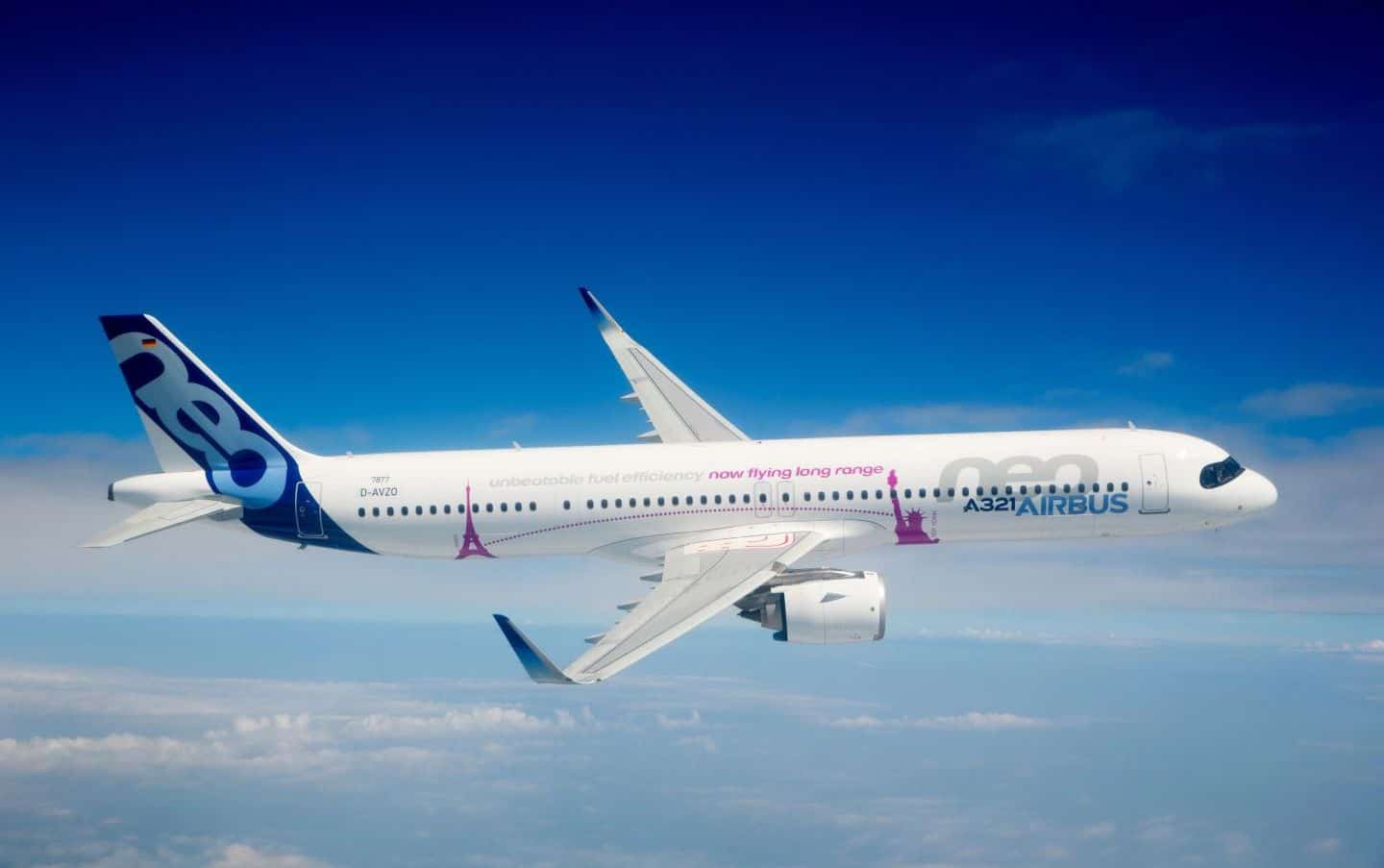
The European aircraft manufacturer Airbus is working on a hydrogen-powered aircraft for medium-haul routes, with the ambition of seeing it in commercial service by 2035.
Hydrogen, which only emits water vapor when it burns, nevertheless poses new challenges, particularly in terms of storage at very high pressure and low temperature. This will require changes in aircraft design, distribution circuits and ground infrastructures.
The large-scale decarbonization of the production of this gas, which today is mainly extracted from hydrocarbons, is another technological challenge.
The commission also said decarbonization offers industrial opportunities, citing estimates of a potential market volume of 5 trillion euros.